

The real estate photographer plays a crucial role in today’s property market, which has evolved rapidly with digital platforms, AI editing, and growing buyer expectations. In 2025, buyers spend 60% of their time on listing photos and just 20% on descriptions, proving visuals are the strongest selling tool for agents. According to NAR, listings with professional photos sell up to 32% faster and for 1%–3% higher prices. As the global market rebounds, skilled real estate photographers have more opportunities than ever to build a sustainable and successful business.
Building Strong Technical Skills as Your Foundation
At the core of a successful career lies a deep understanding of technical execution. This goes beyond simply owning a good camera, it involves a strong grasp of lighting, composition, equipment, and digital editing. Below are the key skills and tools every professional real estate photographer must master.
Camera Settings and Exposure Control
Mastering manual settings is essential. Shooting in RAW ensures top quality and flexibility in editing. A professional real estate photographer typically relies on full-frame mirrorless or DSLR cameras for better dynamic range and mixed-light performance. Exposure bracketing – capturing 3 to 5 shots at different exposures – is key for HDR photography, allowing highlights and shadows to be blended into a balanced final image.
>>> Read more about balancing exposure here: Balancing Exposure for Real Estate Photography
Lenses and Composition Techniques
Wide-angle lenses (14 – 24mm) are ideal for interiors, capturing space and room flow. Keep verticals straight, shoot at chest height (around 5 feet), and use a tripod for stability – especially in low light or HDR. These habits set a professional real estate photographer apart from beginners.
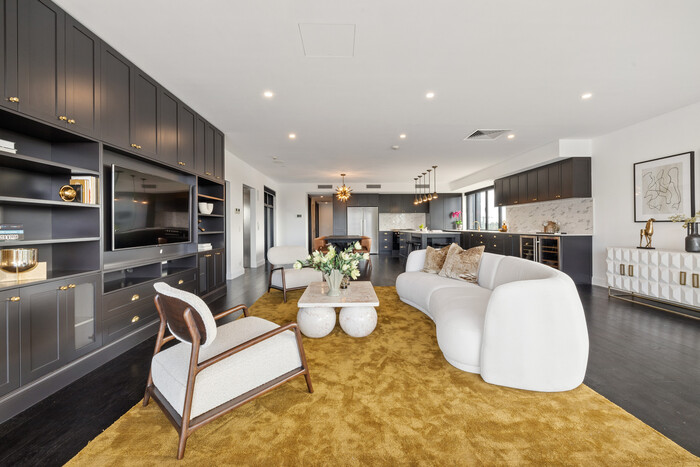
>>> Read more on how to master composition here: Mastering Composition in Real Estate Photography
Mastering Lighting with Flash and Ambient Blending
Lighting is crucial in real estate photography. Natural light often needs support from flash to avoid dark corners or blown-out windows. Professionals bounce flash off ceilings or walls for soft, even results, then use ambient-flash blending to combine natural and flashed shots. This technique improves window clarity and color balance – making it a core skill for any real estate photographer.
>>> Read more on light techniques here: Natural Light vs. Artificial Light in Real Estate Photography
Essential Editing Tools and Techniques
Post-production defines image quality. Adobe Lightroom handles corrections like white balance, exposure, and color grading, with batch editing streamlining large sets. Photoshop is key for advanced edits – vertical line corrections, object removal, sky replacement, and perspective fixes. A skilled real estate photographer who masters layers, masks, and blending in Photoshop can elevate results and stand out from hobbyists.
Integrating AI Tools to Boost Productivity
AI tools are now part of real estate photography workflows, handling virtual staging, object removal, decluttering, and sky replacement. They speed up delivery, letting photographers take on more projects. Used wisely, they enhance productivity so a real estate photographer can focus on creativity and client relationships while still delivering polished results.
>>> Read more on AI-powered tools here: How AI Is Transforming Real Estate Editing for Professional Photographers
Earning Potential and Pricing Strategies
The financial potential in real estate photography is strong, especially as a full-time career. ZipRecruiter reports the average real estate photographer in the U.S. earns $46,600 annually, with top earners exceeding $62,000. In high-demand states like California, New York, and Florida, those offering premium services -drone photography, twilight shoots, or virtual staging – can earn far more.
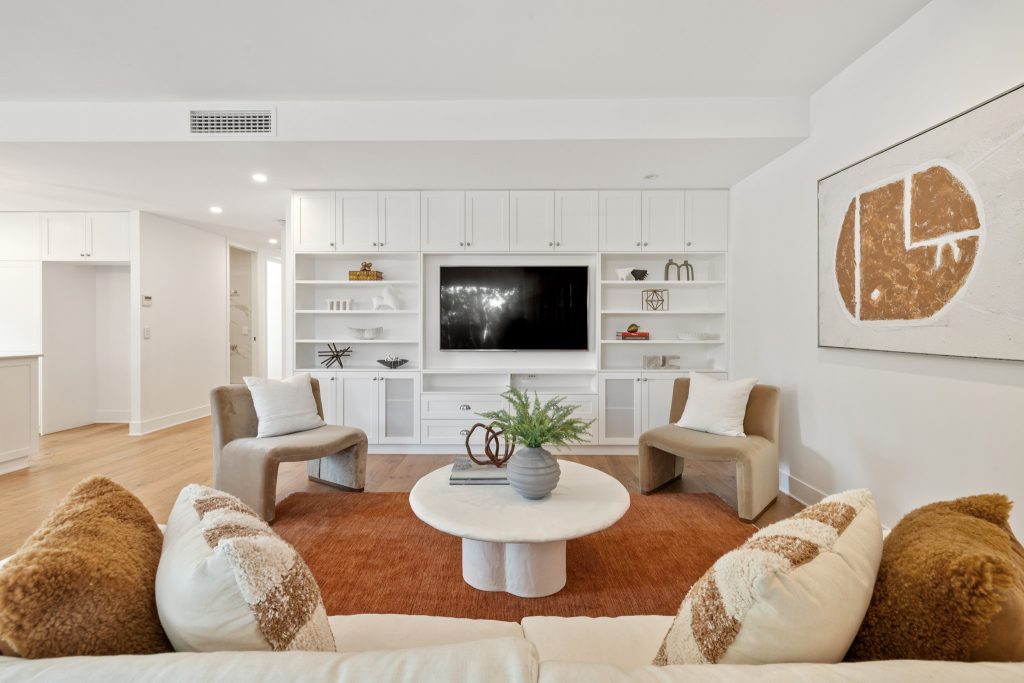
Pricing often follows a per-project or per-square-foot model, such as $0.10 – $0.12 per square foot, or tiered packages combining interior photos, drone shots, and video walkthroughs. Standard shoots range from $150 to $500, while luxury listings or bundled services can exceed $1,000. Structured pricing and upselling not only raise average order value but also improve client retention.
>>> Read more Pricing Guide here: Pricing Guide for Real Estate Photography
Career Growth: Diversification and Specialization
Once you’ve mastered technical skills and workflows, real career growth comes from diversifying your services. Aerial drone photography is no longer optional. Agents expect it to highlight yard size, views, and neighborhood context. Earning certification to fly drones legally is a smart move, and each drone shoot can add $150 – $300 per project.
Virtual staging is equally in demand. Instead of renting furniture, agents now use digital staging to present furnished homes quickly and cost-effectively. Studies show virtually staged homes sell up to 73% faster. For a real estate photographer, offering this service significantly increases profitability while meeting client expectations.
You can also specialize by property type or client segment. Targeting luxury homes, vacation rentals, or commercial spaces allows you to command higher fees. Many luxury real estate photographers charge premium rates, with top professionals earning upward of $200,000 annually by focusing on fewer, higher-value shoots.
Building Your Brand and Marketing Yourself
In today’s market, strong skills alone don’t guarantee success. You need to build a recognizable brand. A consistent visual style, logo, website, and social media presence establish credibility and attract clients. Platforms like Instagram, YouTube, and LinkedIn are ideal for showcasing portfolios, behind-the-scenes clips, and before-and-after edits to connect with agents. Your website should feature a clean portfolio, clear pricing, testimonials, and a contact form, with SEO to help agents find you locally. A real estate photographer who positions their brand well stands out in a crowded field.
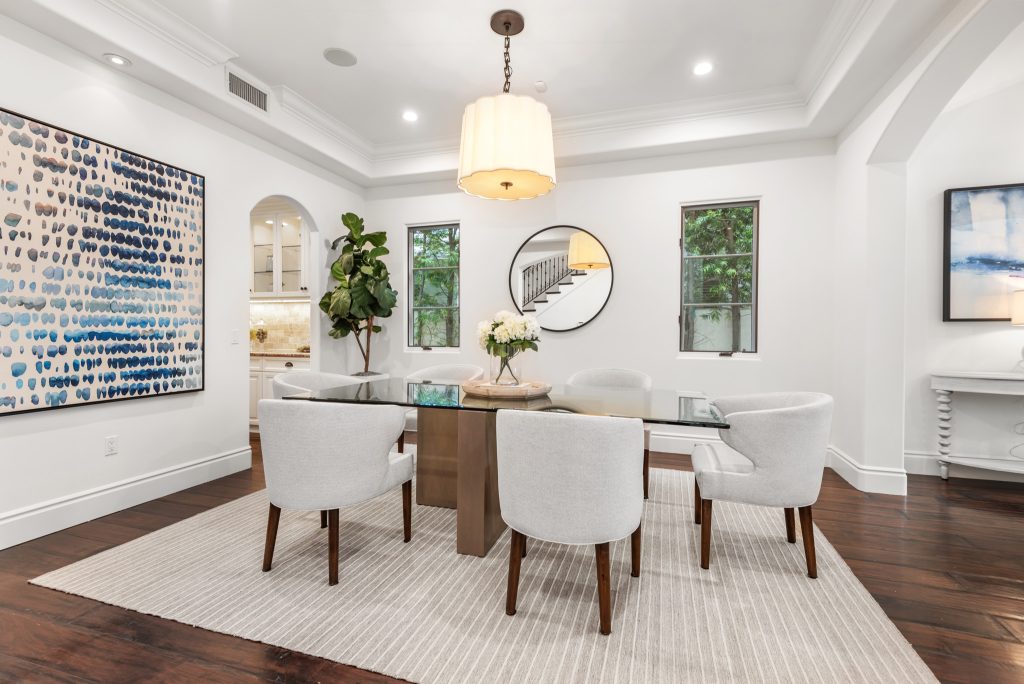
To secure steady income, consider monthly retainers. For instance, a $750 package with four shoots and two virtual staging edits gives agents predictable costs while helping a real estate photographer stabilize revenue and build long-term relationships.
>>> Read more about personal branding here: Personal Branding for Real Estate Photographers
Tools, Platforms, and Workflow Optimization
To succeed as a real estate photographer, you need efficient systems. CRM tools like HoneyBook or Studio Ninja streamline contracts and payments, while cloud services ensure professional file delivery. Editing should be fast and consistent – Lightroom presets and Photoshop AI speed up retouching, sky replacements, and corrections. Manage time wisely: aim for 2 hours shooting, 1 hour editing, and 30 minutes delivery per property. At 2 – 3 shoots a day and an average $300 per shoot, you can reach $1,000 daily, especially by upselling virtual staging or drone footage.
Ready to take your career as a real estate photographer to the next level? At Imagtor, we support professionals with expert photo editing, virtual staging, floor plans, and video editing services – helping you save time, deliver stunning results, and attract more clients. Start today with a FREE TRIAL and enjoy 10% OFF your first order.
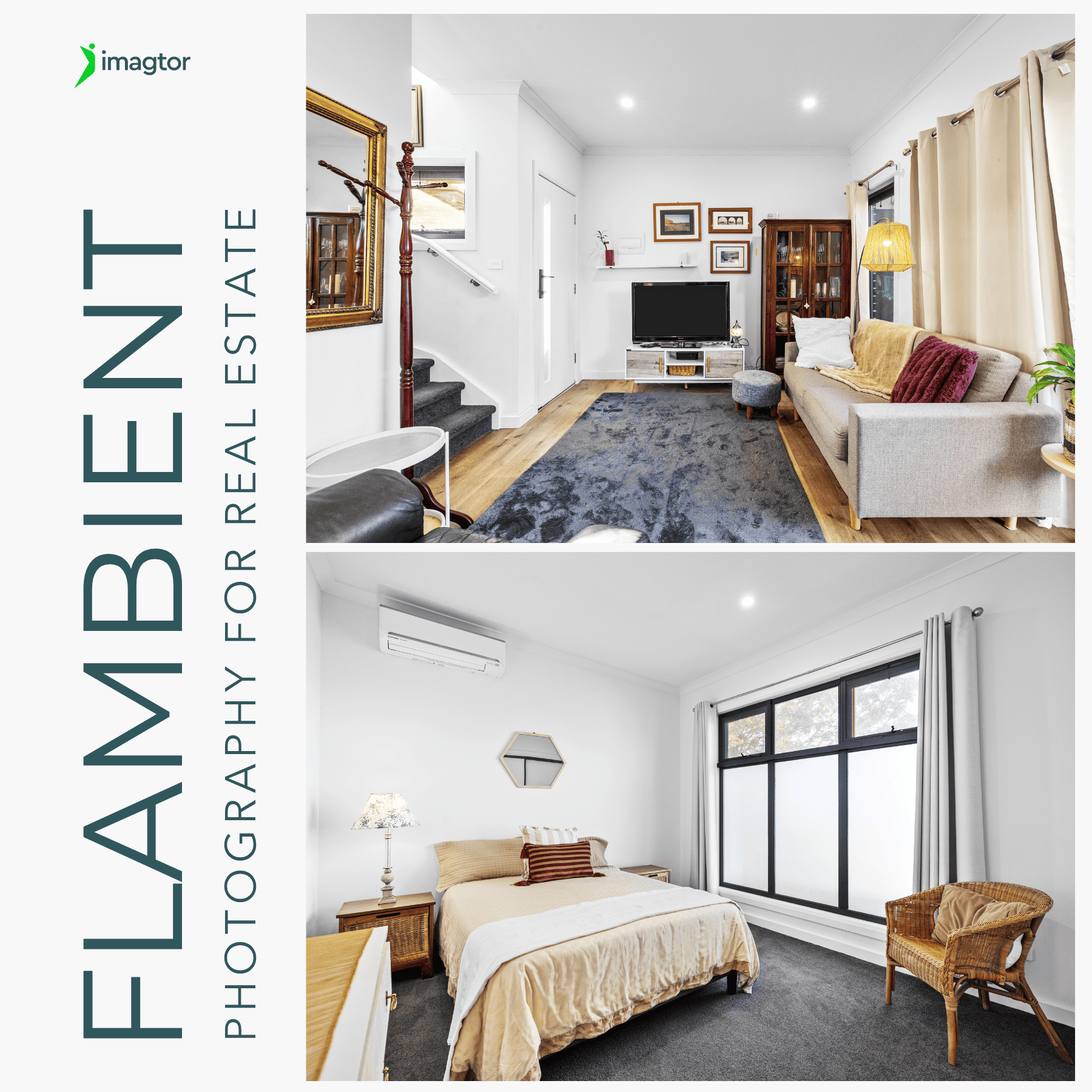
Flambient photography has become the go-to lighting technique for serious real estate photographers in 2026. It combines the natural light range of HDR with the color accuracy of flash, producing interior images that look clean, warm, and genuinely believable without the over-processed look that heavy HDR editing creates. This guide covers what flambient photography actually …

Interior real estate photo editing is where most of the work happens after a shoot. Getting exposure, color, and detail right across a full gallery is what separates listings that actually get clicks from ones that get skipped past. This guide covers the core techniques professionals use, in the order they actually matter, so every …