

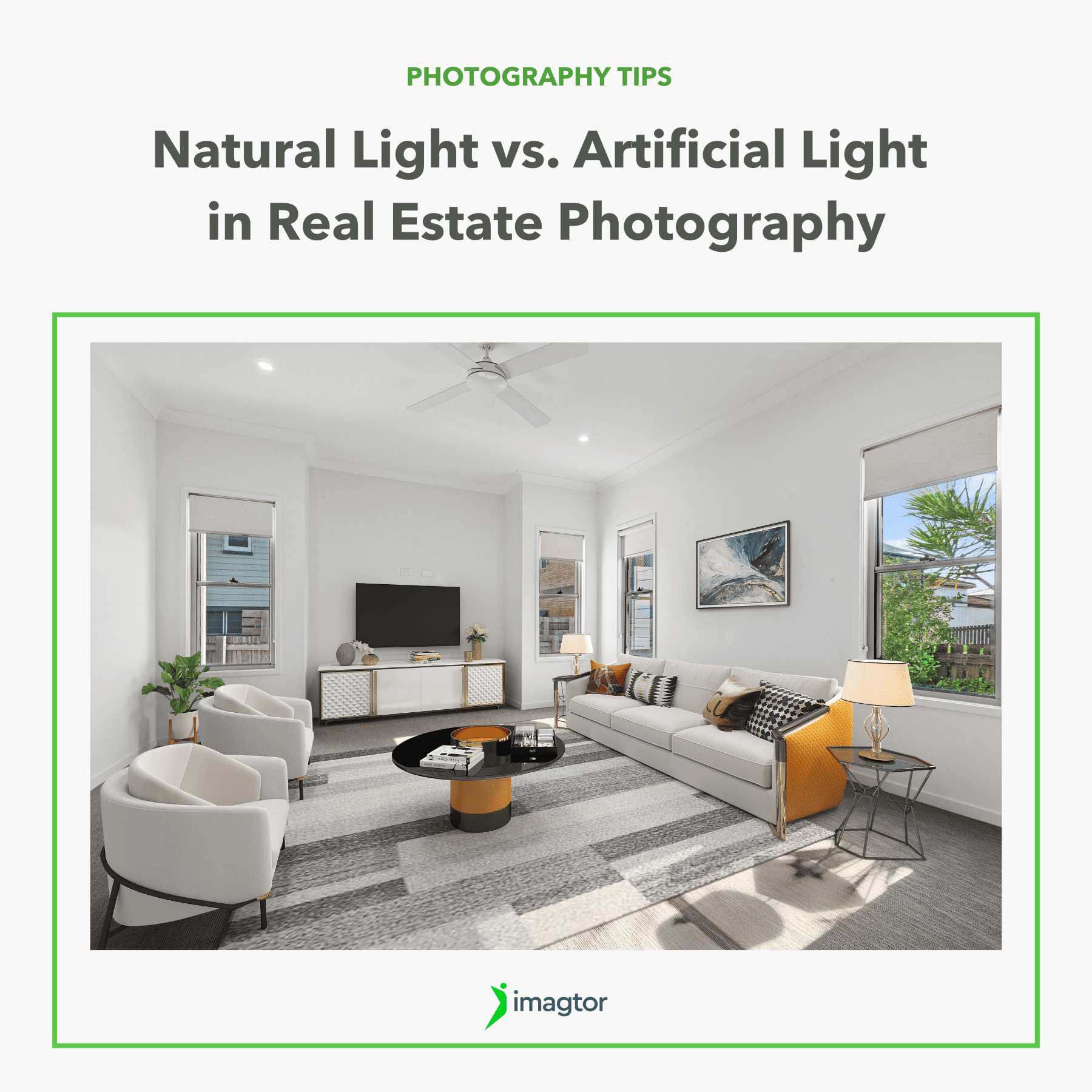
Lighting is one of the most powerful tools in real estate photography. It shapes how a property looks and feels. Natural light brings warmth and authenticity, while artificial light adds consistency and control. The right balance ensures photos attract buyers, increase engagement, and boost property value.
I. Why Lighting Matters: Industry Data and Buyer Behavior
Today’s homebuyers are more discerning than ever. According to the National Association of Realtors (2023), 85% of buyers say that listing photos are the most important factor when browsing properties. Redfin’s 2022 report showed that homes with professional photos sell 32% faster and achieve up to 47% higher prices per square foot than those with amateur visuals. Zillow reports that listings with professional photography receive 118% more online views.
Natural light and artificial light both play central roles in these results. A well-lit home looks more spacious, welcoming, and accurately represented. Poor lighting leads to dull photos, heavy shadows, and distorted colors. Twilight photography, which relies heavily on artificial light, can even increase a home’s perceived value by 3–5% (Real Estate Photography Association, 2023).
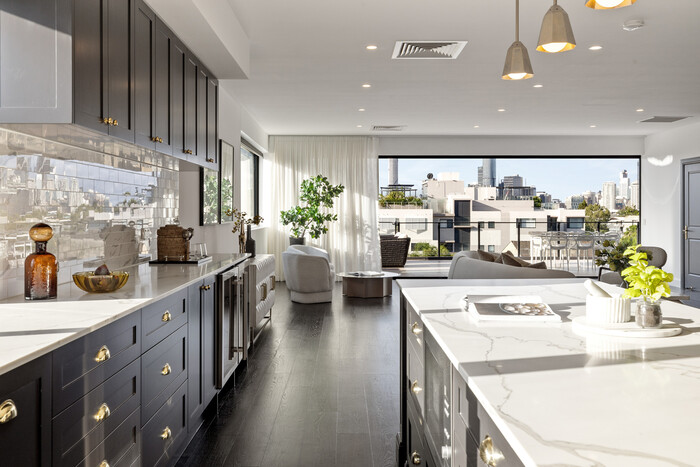
II. Understanding the Two Key Lighting Sources in Real Estate Photography
Lighting is more than a technical detail. It is a storytelling tool that brings spaces to life. Choosing between natural light and artificial light is not about picking one over the other. Both play vital roles depending on the property, time of day, and creative vision.
1. Natural Light: Leveraging the Sun for Authenticity
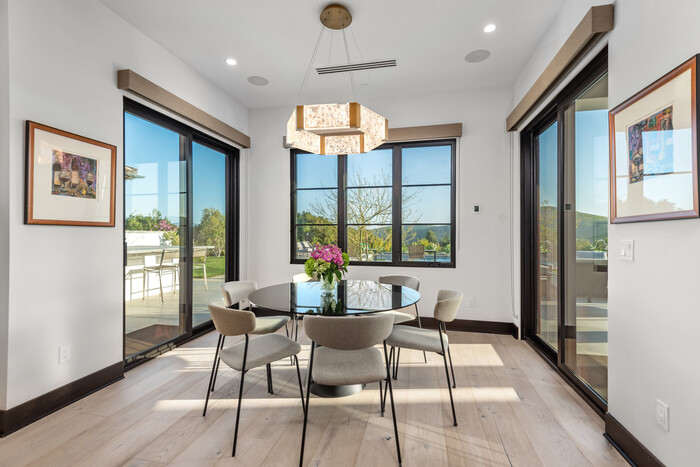
Natural light is often considered the holy grail of real estate photography. It creates soft, organic illumination that captures a property in its truest form. Sunlight enhances textures, showcases real colors, and brings warmth into interiors.
Advantages of Natural Light:
- True Colors: Sunlight produces accurate tones for walls, floors, and furniture.
- Soft and Even Illumination: Golden hour light adds warmth and minimizes harsh contrasts.
- Cost Efficiency: Using available sunlight reduces the need for expensive gear.
Challenges of Natural Light:
- Inconsistency: Light changes with clouds, time, and seasons.
- Weather Dependence: Overcast skies can dull interiors, while harsh sun creates heavy contrast.
- Time Restrictions: Golden hour is brief, while midday light can be harsh.
Best Use Cases for Natural Light:
- Open-concept interiors with large windows.
- Exterior shots of facades, patios, or backyards.
- Fast workflows with minimal editing.
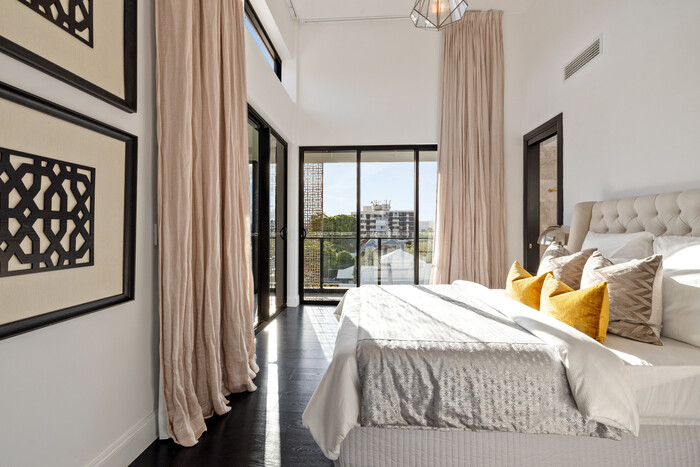
2. Artificial Light: Controlled Consistency for Complex Spaces
Artificial light is indispensable when natural light isn’t available or sufficient. Tools like LED panels, flashes, and strobes let photographers illuminate interiors evenly, manage color temperatures, and emphasize key features.
Advantages of Artificial Light:
- Full Control: You dictate direction, warmth, and intensity.
- Extended Shooting Flexibility: Shoot at night or in poor weather.
- Enhanced Detail: Highlight textures like marble, metal, or wood.
Challenges of Artificial Light:
- High Equipment Costs: Kits often run between $500 and $2,000.
- Learning Curve: Poor technique can produce flat or unnatural results.
- Unnatural Look Risk: Without balance, images may feel over-lit.
Best Use Cases for Artificial Light:
- Windowless rooms and dim interiors.
- Luxury homes and commercial properties.
- Twilight and blue hour real estate photography.
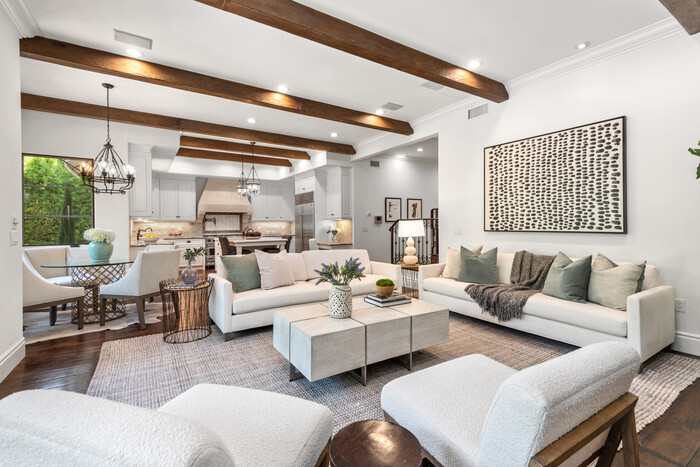
III. Practical Applications: When to Use Natural Light vs. Artificial Light
Knowing when to use natural light and when to rely on artificial light is key to producing consistent results. The choice influences image quality, editing time, and overall client satisfaction.
When to Use Natural Light:
- Bright interiors with large windows and open layouts.
- Exterior shots at golden hour for curb appeal.
- Workflows that demand less editing and quick delivery.
When to Use Artificial Light:
- Properties with dim interiors or few windows.
- Twilight shoots where interior warmth must balance with fading daylight.
- Projects needing consistent color across rooms. Twilight photos, supported by artificial light, boost engagement by 60% and perceived value by 3–5% (Real Estate Photography Association, 2023).
IV. Pro Tips for Balancing Natural and Artificial Light
The best results often come from combining natural light with artificial light. This hybrid approach allows you to achieve both authenticity and polish.
Techniques to Try:
- Use off-camera flash at a 45-degree angle for depth.
- Bracket 3–7 exposures for HDR blending.
- Adjust white balance to handle mixed light sources.
- Use diffusers and reflectors to soften flash.
- Move lights to experiment with angles and depth.
Recommended Tools:
- Lighting Kits: Godox AD200Pro, Profoto B10X, Neewer 660 LED Panels
- Modifiers: MagMod system, Westcott Rapid Box Octa
- Editing Software: Lightroom, Photoshop, Luminar Neo
Conclusion
Lighting is the foundation of real estate photography. Mastering both natural light and artificial light ensures your photos not only look professional but also help properties sell faster and for higher prices. A photographer who can blend these two sources effectively will always stand out.
Mastering natural light and artificial light is essential for every real estate photographer aiming to deliver images that sell. With Imagtor, you can elevate your photos through expert editing, retouching, and virtual staging. Start today with a FREE TRIAL and enjoy an exclusive 10% BULK DISCOUNT on your first order.
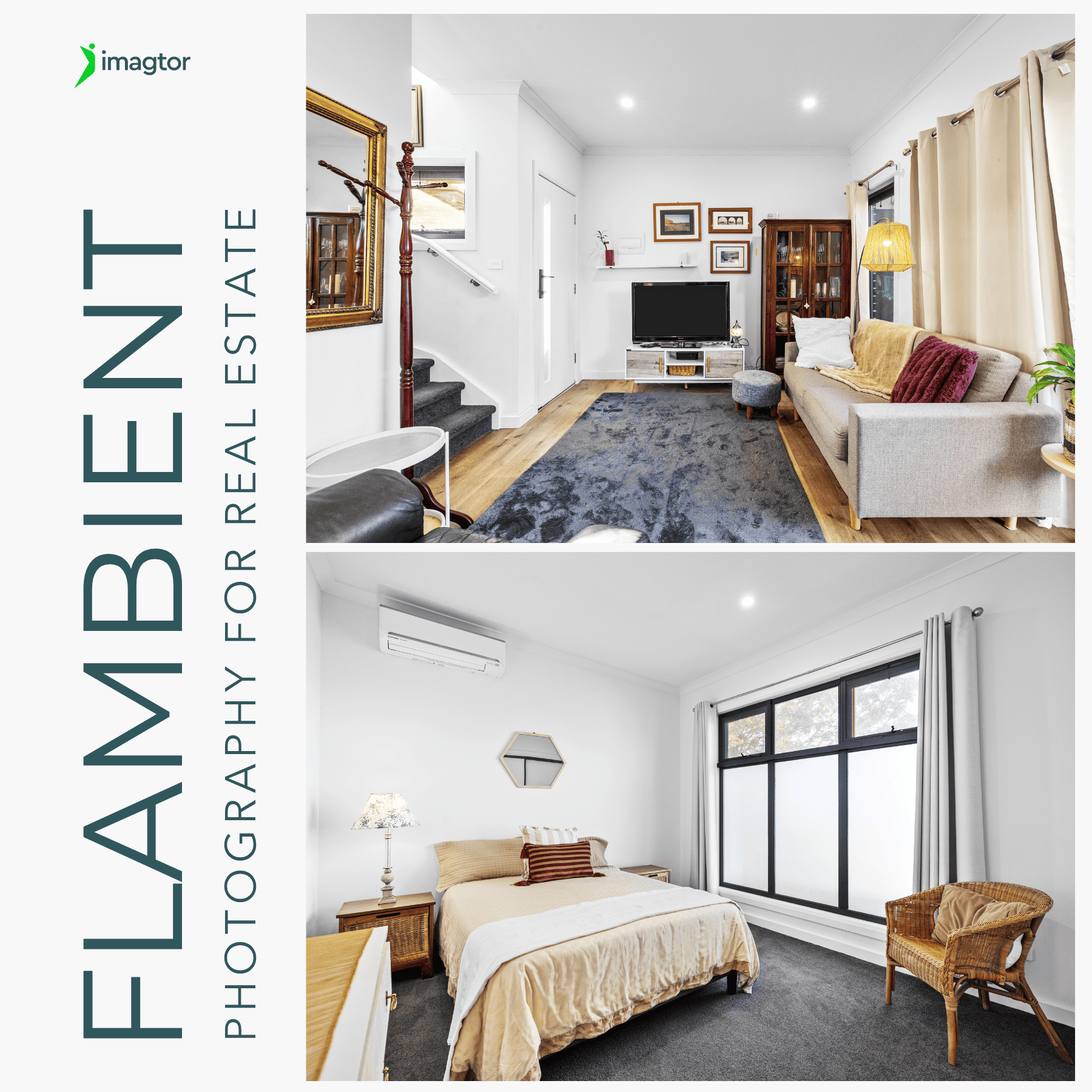
Flambient photography has become the go-to lighting technique for serious real estate photographers in 2026. It combines the natural light range of HDR with the color accuracy of flash, producing interior images that look clean, warm, and genuinely believable without the over-processed look that heavy HDR editing creates. This guide covers what flambient photography actually …

Interior real estate photo editing is where most of the work happens after a shoot. Getting exposure, color, and detail right across a full gallery is what separates listings that actually get clicks from ones that get skipped past. This guide covers the core techniques professionals use, in the order they actually matter, so every …