

For real estate photographers, the challenge lies in standing out while building a pricing model that reflects both their true value and client expectations. This guide offers practical insights on how to structure your real estate photography pricing, what factors to consider, and how to make your business sustainable for the long term.
I. Why Real Estate Photography Matters More Than Ever
Recent studies show that professional photos can increase listing click-through rates by more than 60%. Homes with professional photography spend up to 32% less time on the market compared to those with amateur images.
In today’s digital-first market, most buyers view properties on MLS platforms, third-party websites, and social media. This makes visual content the first impression – and often the deciding factor – in whether a buyer schedules a showing.
Real estate photography goes beyond snapping pictures. It includes wide-angle room coverage, drone aerials, 3D virtual tours, and twilight exteriors. Each element creates stronger buyer engagement. Pricing your services should reflect the real business impact your photos deliver. Agents are not just buying photos. They are investing in faster sales and higher offers.
II. Key Variables That Affect Real Estate Photography Pricing
When setting your real estate photography price, several variables must be considered.
1. Property Size, Type, and Complexity
- Larger homes or luxury estates require more coverage, more angles, and additional editing.
- Unique architecture and premium finishes demand careful composition.
- Commercial buildings, vacation rentals, and multifamily properties often require a custom pricing approach.
2. Market Location and Client Demographics
- Prices should reflect the region’s average listing value and local competition.
- Urban centers typically support higher pricing.
- Rural areas may require added travel fees or smaller packages to remain competitive.
3. Shoot Time and Turnaround Requirements
- Consider the total time spent from arrival to delivery. Include setup, photography, and editing.
- Rush delivery or same-day turnaround should carry a premium price.
4. Type and Scope of Services
- Standard interior and exterior photography
- Drone services for aerial views
- Virtual staging and decluttering
- Floor plans and 3D walkthroughs
- Video tours
Offering both bundled packages and add-ons allows flexibility while increasing your average project price.
5. Post-Production and Image Enhancement
Editing is often underestimated in real estate photography pricing. Tasks such as:
- Color correction
- HDR blending
- Sky replacement
- Window pulls
- Vertical alignment
Each adds value and time. Consistency in your editing style becomes part of your brand. Factor this into your pricing model.
III. Building a Sustainable Real Estate Photography Pricing Model
Your pricing should cover expenses, deliver profit, and remain competitive.
Step 1: Calculate Your Cost of Doing Business (CODB)
Include:
- Cameras, drones, tripods, and lenses
- Editing software and online storage
- Insurance, licensing, and website hosting
- Marketing tools, ads, and subscriptions
- Transportation and fuel
- Professional education or workshops
Divide annual expenses by projected jobs to identify your minimum sustainable rate.
Step 2: Set Your Income Goals
Decide your annual income target. Work backward to calculate how many shoots per month you must complete at your chosen price. This helps you balance workload and earnings.
Step 3: Create Tiered Service Packages
Tiered packages give clients clear options:
- Essentials Package: Basic interior and exterior images
- Pro Package: Drone photography, twilight conversions, and floor plans
- Elite Package: Cinematic video, 3D tours, and priority editing
Clients feel empowered when they can choose a level that matches their budget.
Step 4: Add Extra Services
Upsells boost your average job value. Examples:
- Additional edited images
- Branded/unbranded video clips
- Blue sky or green grass replacement
- Virtual staging or furniture removal
- Agent headshots or marketing content
Step 5: Review Pricing Regularly
The real estate photography market changes quickly. Review your prices every quarter or at least twice a year. Adjust for:
- Local housing trends
- Competitor price shifts
- New service demand, such as video tours or drone add-ons
- Increased equipment or software costs
>>> Read more: Smart Pricing Strategies for Real Estate Photographers
IV. How to Communicate Your Value
Even the best pricing strategy will not work if clients do not see your value.
Educate Clients
Explain the ROI of professional real estate photography. Use statistics, before-and-after comparisons, and case studies.
Show, don’t just tell
Display a diverse portfolio. Group photos by property type – condos, luxury estates, rentals – to show adaptability. Include sample floor plans, drone images, and video tours.
Use testimonials
Ask satisfied agents for testimonials that highlight faster sales or higher closing prices thanks to your photography. Real client voices are persuasive.
Be transparent and confident
List exactly what each package includes. Be clear about add-on costs. Speak with confidence, not apology, when presenting your price. Clients respect professionals who stand by their value.
V. Tips to Increase Profitability Without Losing Clients
- Batch work: Schedule shoots by neighborhood to save travel time.
- Automation tools: Use online booking, invoicing, and delivery platforms.
- Client retention programs: Offer loyalty discounts for agents who hire you regularly.
- Upselling strategies: Train yourself to suggest higher packages naturally.
- Time-saving gear: Use drones with automated flight paths, cameras with bracketing, and editing presets to cut production time.
Conclusion
Real estate photography pricing in 2025 is about more than counting hours or photos. It reflects the true value you provide to clients. A structured, transparent pricing model shows professionalism. It builds trust, supports profitability, and ensures long-term success in a competitive market.
Whether you are a new real estate photographer or a seasoned professional, mastering pricing is as critical as mastering camera settings. Approach it strategically, review it often, and always connect your price to the value you deliver.
At Imagtor, we support real estate photographers with professional editing services that enhance your portfolio and save you time. From decluttering and virtual staging to twilight conversions and HDR blending, we help your work stand out.
Start your journey with Imagtor today. Enjoy a FREE TRIAL on your first order and take advantage of our 10% BULK DISCOUNT for regular projects.
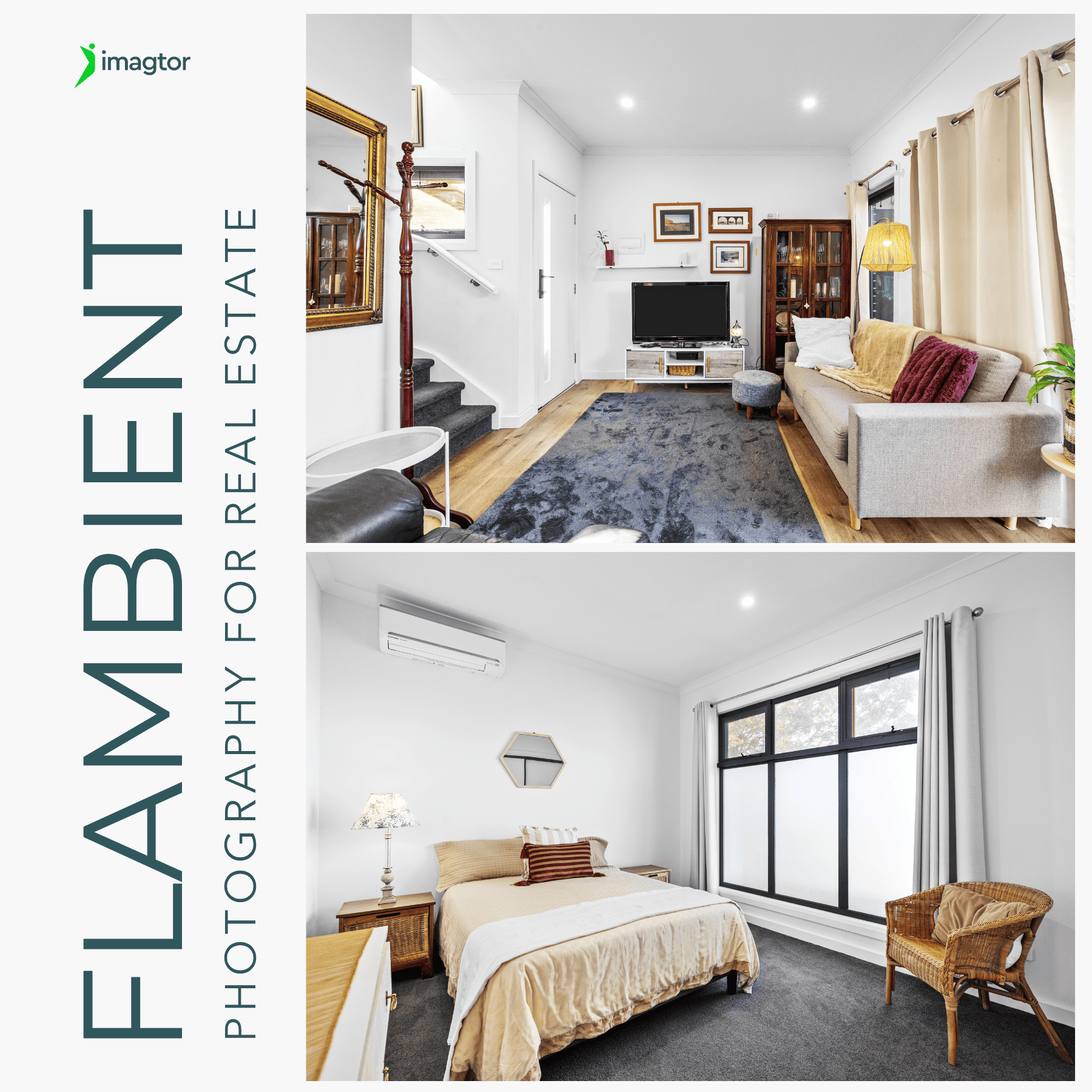
Flambient photography has become the go-to lighting technique for serious real estate photographers in 2026. It combines the natural light range of HDR with the color accuracy of flash, producing interior images that look clean, warm, and genuinely believable without the over-processed look that heavy HDR editing creates. This guide covers what flambient photography actually …

Interior real estate photo editing is where most of the work happens after a shoot. Getting exposure, color, and detail right across a full gallery is what separates listings that actually get clicks from ones that get skipped past. This guide covers the core techniques professionals use, in the order they actually matter, so every …