

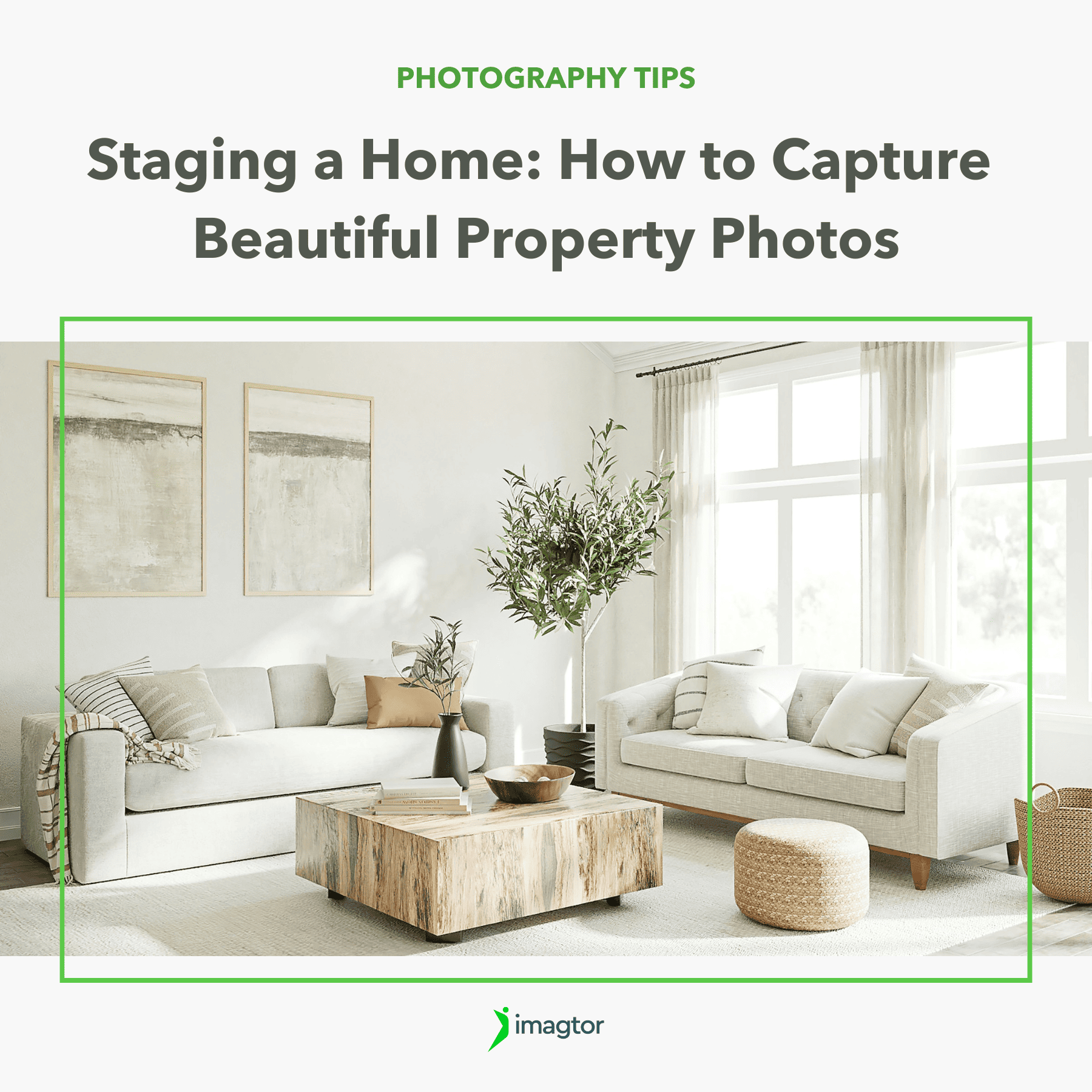
Staging is one of the most powerful tools in property photography. A well-staged home attracts buyers, highlights the property’s best features, and tells a visual story that drives sales. Whether you’re preparing a real space or using virtual staging, great presentation is what turns average property photos into attention-grabbing marketing assets.
Good staging makes photos feel inviting and realistic. It helps potential buyers imagine themselves living in the home. Combined with professional photo editing, it creates the emotional connection that leads to faster sales and higher offers.
Why Staging Matters in Property Photography
When it comes to property photography, the difference between an empty room and a staged one is striking. According to the National Association of Realtors (NAR), 82% of buyers say staging makes it easier for them to visualize a property as their future home. Another report from the Real Estate Staging Association found that staged homes sell up to 30% faster compared to non-staged ones.
Staging is more than furniture placement. It’s about creating a lifestyle narrative that complements lighting, composition, and overall photo editing quality. For photographers, staging gives depth and storytelling to each frame. For agents, it becomes a key marketing strategy that converts leads into clients.
When combined with professional property photo editing, staging allows every image to shine. Adjusting tones, brightness, and perspective in post-production makes the space appear more polished and consistent across marketing channels.
Preparing the Property: The Basics of Physical Staging
Physical staging begins long before the photographer arrives. It starts with preparation and attention to detail.
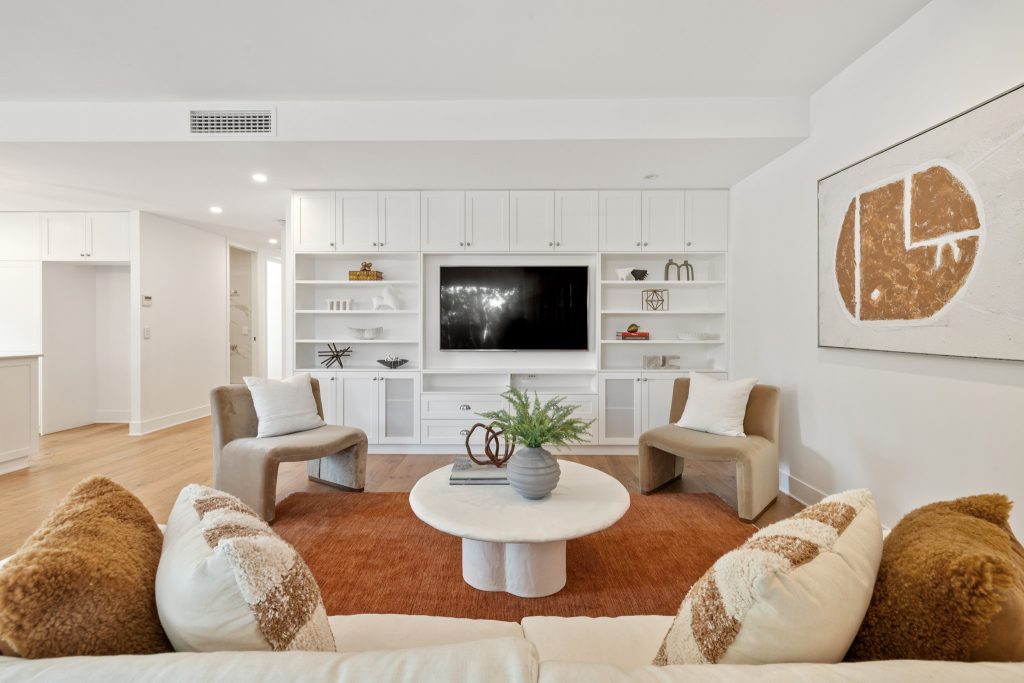
Key Steps for Effective Staging:
- Declutter: Remove personal items, excessive decor, and anything that distracts from the architecture.
- Depersonalize: Create a neutral environment so buyers can picture their own belongings in the space.
- Deep clean: Make every surface shine, including windows and flooring. Clean homes photograph better.
- Neutral colors: Use soft, neutral tones for walls and furniture. They help lighting balance during the shoot.
- Arrange furniture: Position furniture to create open flow and showcase each room’s size and purpose.
- Lighting: Natural light is ideal. Open curtains, turn on lamps, and check for shadows or glare.
Room-by-Room Checklist:
- Living room: Arrange furniture around a focal point, like a fireplace or large window.
- Kitchen: Clear countertops, add a simple vase or bowl for visual interest.
- Bedroom: Make beds neatly with light-toned bedding. Keep side tables minimal.
- Bathroom: Remove personal toiletries. Use clean towels and subtle greenery.
- Exterior: Trim lawns, clean pathways, and stage the porch with neutral decor.
Attention to these details creates a cohesive look that captures the essence of the property during property photography sessions.
The Role of Virtual Staging in Modern Property Photography
Virtual staging has transformed how real estate professionals market properties. Instead of physically renting furniture or spending days rearranging a space, editors can digitally design interiors that look completely realistic.
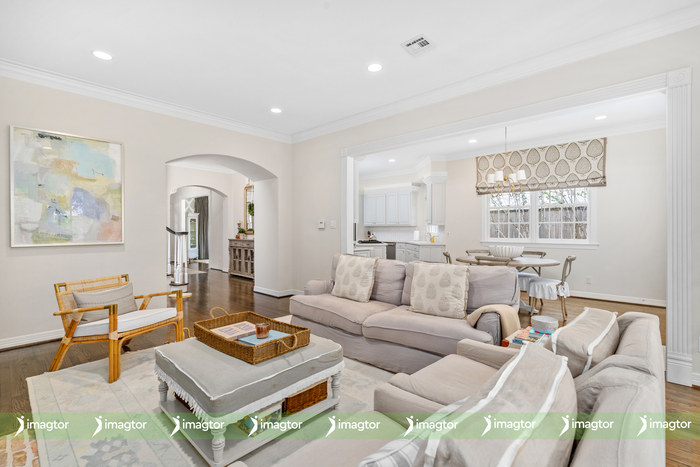
For photographers, virtual staging saves time and money while offering endless creative control. It’s ideal for empty homes or unfurnished spaces where traditional staging isn’t practical. With today’s 3D rendering and advanced photo editing technology, virtual rooms look authentic and appealing.
Benefits of Virtual Staging:
- Cost-effective: Significantly cheaper than physical staging.
- Flexible: Easy to test different styles, furniture layouts, and colors.
- Fast turnaround: Edited and staged photos are ready in just 24–48 hours.
- High impact: Helps listings stand out on MLS and social media.
When combined with skilled property photo editing, virtual staging ensures the final images are balanced, polished, and consistent with real-life proportions. It’s one of the best tools available for modern property photography.
Professional Editing to Perfect the Final Image
Even the best-staged homes need expert photo editing to achieve magazine-quality results. Editors enhance lighting, remove imperfections, and make every image visually consistent.
Property photo editing can involve:
- Adjusting exposure and white balance.
- Correcting lens distortion and vertical alignment.
- Replacing skies or improving window views.
- Removing small distractions like cords, clutter, or reflections.
With advanced software like Lightroom, Photoshop, or AI-assisted platforms, editors can produce stunning images that truly represent the property. Many photographers now outsource their photo editing to professional teams to save time and maintain consistent quality.
>> Read more: How to do interior real estate photo editing right
Common Mistakes to Avoid When Staging for Photos
Even skilled photographers and homeowners can make errors. Avoiding these ensures your property images look natural and appealing.
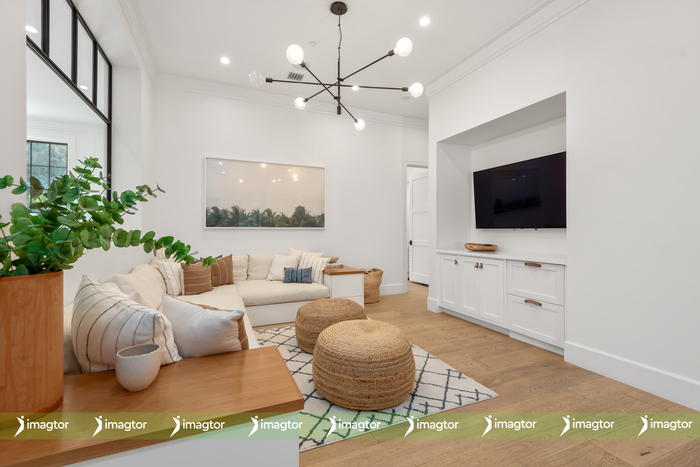
Top Mistakes to Avoid:
- Overdecorating: Too many items can make rooms appear smaller.
- Poor lighting: Uneven or mixed lighting can distort colors in photos.
- Ignoring details: Wrinkled bedding or open toilet lids can ruin the shot.
- Clashing styles: Inconsistent furniture or color themes reduce visual harmony.
- Empty walls: Add minimal wall art for warmth, but avoid cluttered arrangements.
Remember, good staging highlights the space, not the objects in it. The goal is to guide the viewer’s eyes naturally through the photo, allowing them to experience the flow and atmosphere of the property.
>>> Read more: Staging Tips for Real Estate Photography
How Virtual and Physical Staging Work Together
A hybrid approach often produces the best results. You can start with light physical staging like arranging a few statement pieces, and then enhance the visuals through virtual staging and photo editing.
This combination saves costs while still providing a rich and engaging presentation. Through 3D rendering, editors can even simulate different materials, textures, and layouts to match architectural intent.
For real estate photographers, this approach gives creative flexibility. It also helps clients visualize possibilities that would be too expensive or time-consuming to build in real life.
Final Thoughts: Blending Art and Technology
Effective staging is both an art and a science. It involves understanding composition, lighting, and emotional appeal. When supported by modern tools , it becomes an even more powerful sales strategy.
Whether you’re a real estate agent, property photographer, or marketing studio, mastering staging techniques will help you create photos that sell. The best results come from a balance between creativity, technology, and precision.
Elevate your listings with professional staging and high-quality photo editing. Imagtor offers complete solutions from virtual staging and 3D rendering to advanced property photo editing that bring every space to life. Start today and get a FREE TRIAL plus 10% DISCOUNT on your first order!
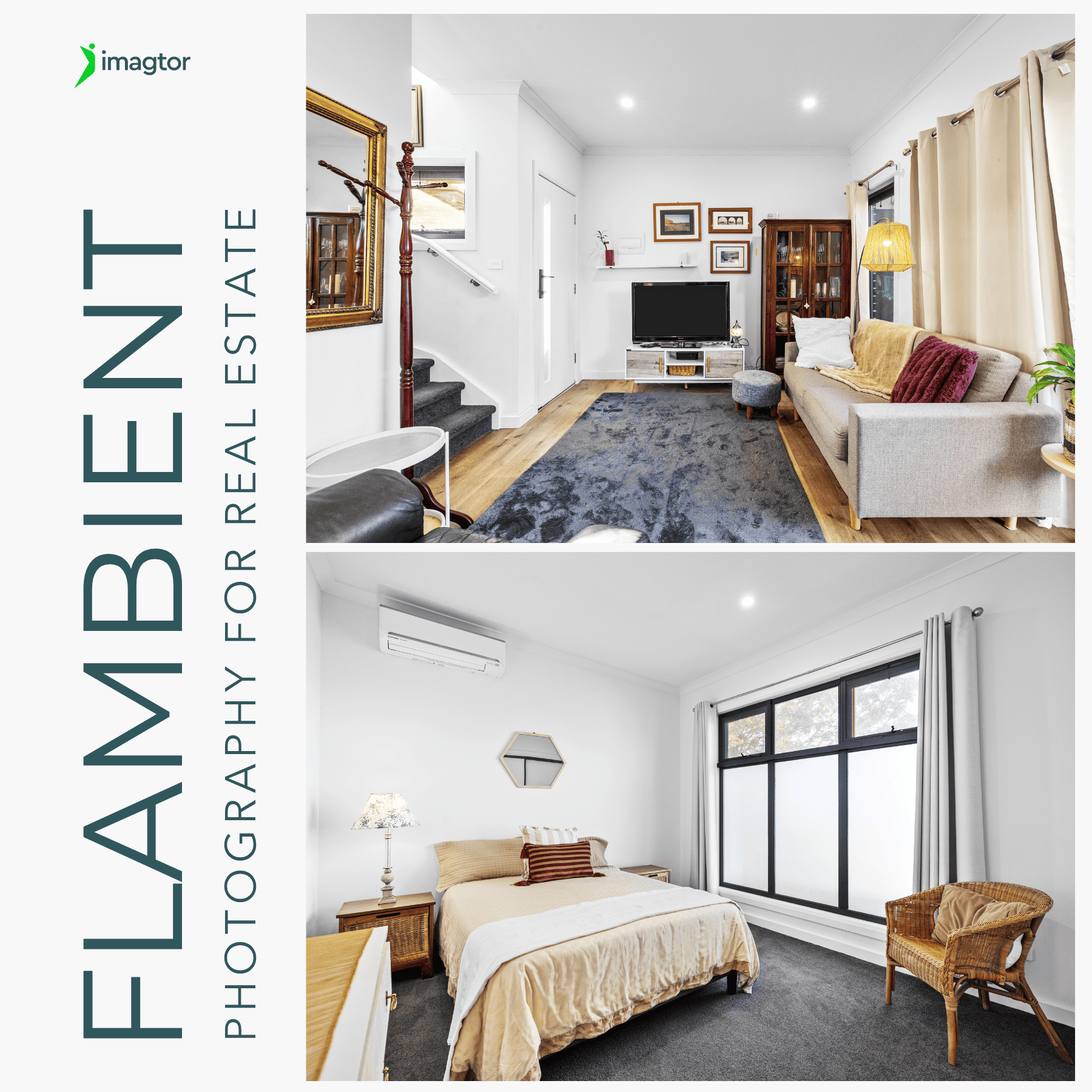
Flambient photography has become the go-to lighting technique for serious real estate photographers in 2026. It combines the natural light range of HDR with the color accuracy of flash, producing interior images that look clean, warm, and genuinely believable without the over-processed look that heavy HDR editing creates. This guide covers what flambient photography actually …
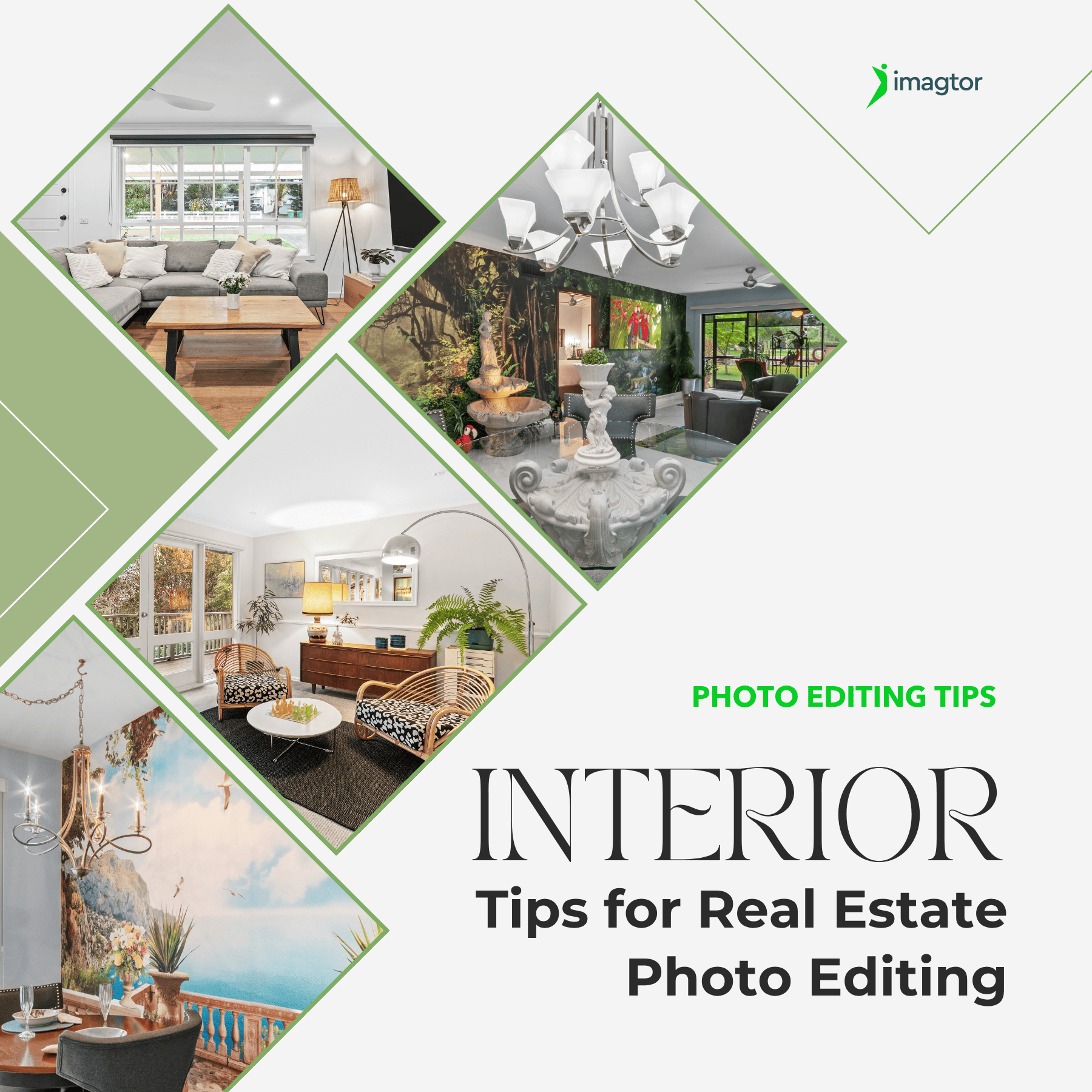
Interior real estate photo editing is where most of the work happens after a shoot. Getting exposure, color, and detail right across a full gallery is what separates listings that actually get clicks from ones that get skipped past. This guide covers the core techniques professionals use, in the order they actually matter, so every …