

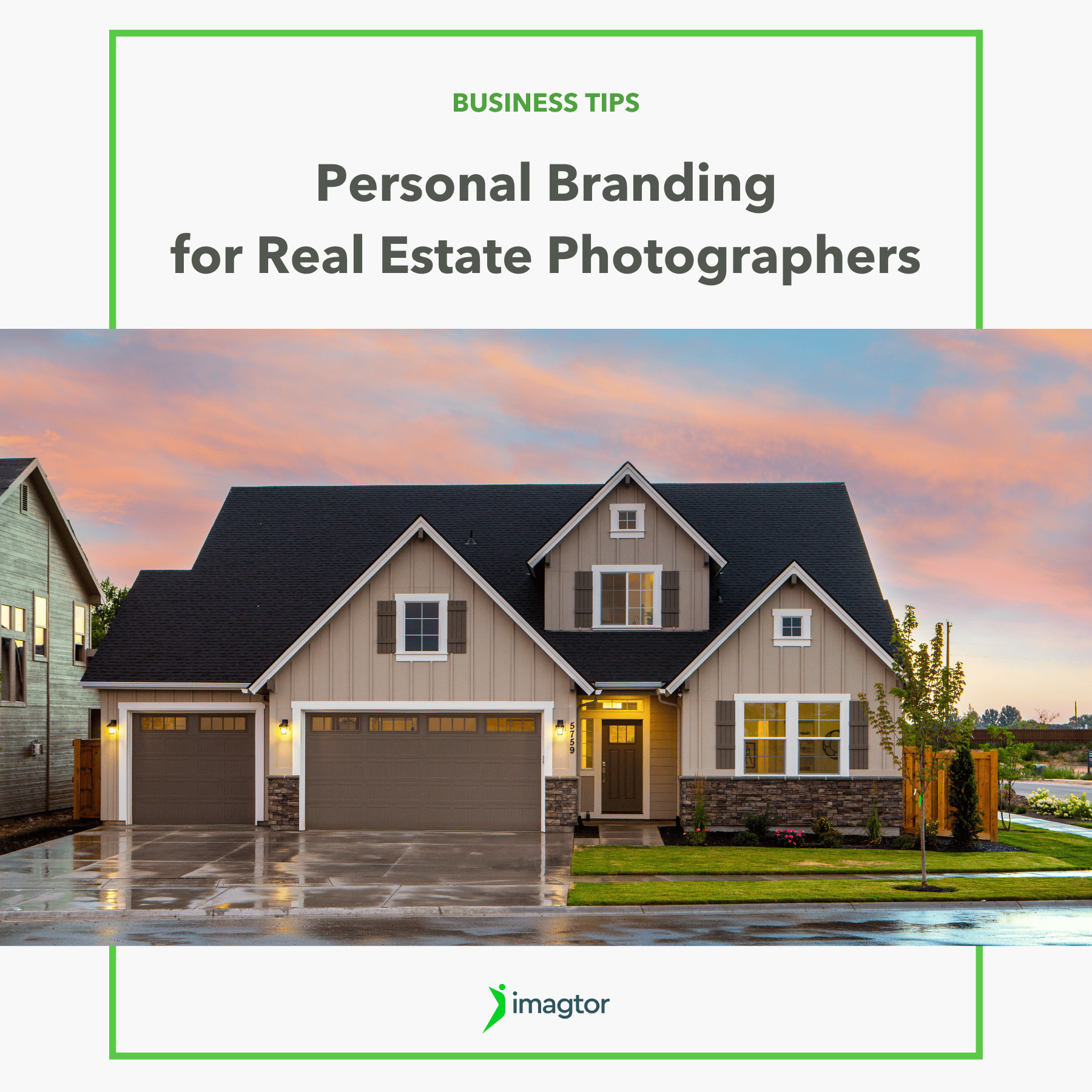
In today’s hyper-competitive industry, personal branding is not optional. For every real estate photographer, it is the foundation of visibility, trust, and long-term success. With over 3 million licensed agents in the U.S. and thousands of photographers competing for the same clients, standing out requires more than good images. You need a recognizable and credible brand that clients prefer.
Why Personal Branding Is Essential for Real Estate Photographers
The impact of professional photography on real estate is undeniable:
- Listings with professional photos sell 32% faster (VHT Studios).
- High-quality photos command up to 47% more per square foot (NAR).
- Homes with professional images receive 61% more views online (Redfin).
Yet many photographers still blend into the crowd. The real challenge is making sure agents and brokerages associate your name with results, reliability, and a signature style. That’s where personal branding makes the difference.
How to Build a Personal Brand That Converts
1. Define Your Niche and Unique Value Proposition (UVP)
Generic photographers don’t stand out, specialists do.
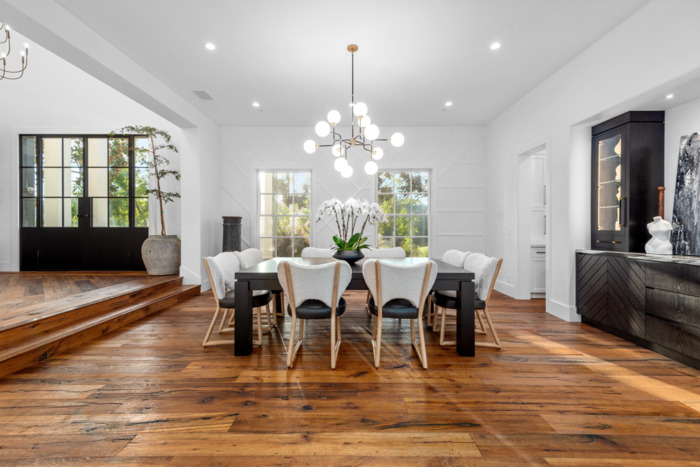
- Pick a niche: luxury estates, vacation rentals, multi-family units, or commercial properties. Marc Weisberg, a Los Angeles-based real estate photographer, is known for luxury and architectural photography.
- Specialize by service: twilight photography, drone aerials, or 3D tours.
- Develop a signature editing style: Weisberg’s crisp, vibrant approach highlights architectural lines and luxury ambiance.
Pro tip: Write a one-sentence UVP that answers, Why should agents choose you over another photographer?
>>> Read more: How to Impress Real Estate Agents with Your Portfolio
2. Craft a Professional Visual Identity
Your visual identity should reflect your niche:
- Logo: Avoid generic icons. Virtuance uses a modern, clean design that signals professionalism.
- Color palette: Choose sophisticated tones if you focus on luxury listings.
- Typography: Match fonts with your brand personality – luxurious, approachable, or cutting-edge.
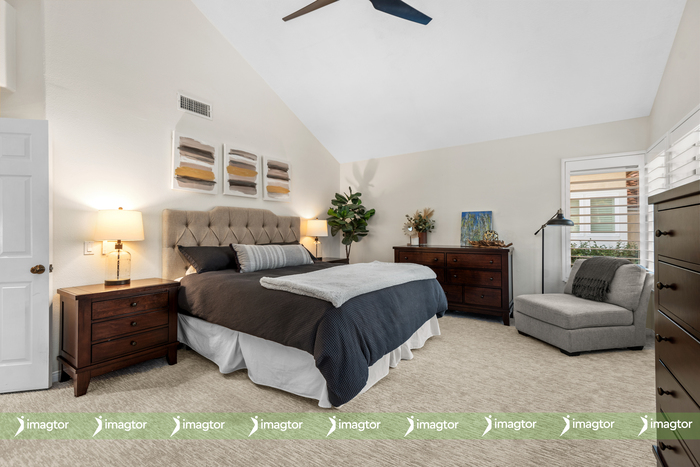
- Watermarks: Keep them subtle yet consistent.
3. Build a Website That Sells for You
Your website is more than a portfolio. It’s a sales tool.
- Optimize SEO: Add descriptive titles and alt text to every photo.
- Display clear packages and pricing. HomeJab excels at this with transparent service tiers.
- Add case studies: Show how your photography contributed to faster sales.
- Use lead magnets: Free guides can increase conversion rates by up to 400% (HubSpot).
4. Maximize Social Media ROI
Use platforms strategically:
- Instagram: Share before-and-after edits, behind-the-scenes clips, and cinematic listing videos.
- LinkedIn: Publish insights like “How Virtual Staging Boosts Listing Engagement by 60%.”
- Facebook Groups: Offer value by posting results and answering agent questions.
5. Establish Thought Leadership
Content marketing builds authority:
- Blog posts: Share niche photography tips or industry insights.
- Video tutorials: Break down lighting or editing techniques.
- Webinars: Teach agents how to prepare homes for photos.
Fact: Companies that blog generate 67% more leads (Demand Metric).
6. Optimize for Discovery Where Agents Search
Be present on platforms agents use daily:
- Houzz Pro: Showcase your best projects.
- Thumbtack/Bark: List specialized services such as twilight shots.
- Google Business Profile: Use keywords like “real estate photographer in Dallas.”
- Partnerships: Team up with brokerages and franchises for bundled media services.
7. Network Beyond Agents
Expand connections to allied professionals:
- Interior designers and stagers.
- Builders and developers.
- Videographers offering co-marketing packages.
Tip: At real estate events, offer free headshot sessions in exchange for email sign-ups.
>>> Read more: How To Build A Talented Real Estate Photographer Team
8. Turn Testimonials Into Sales Tools
Go beyond standard reviews:
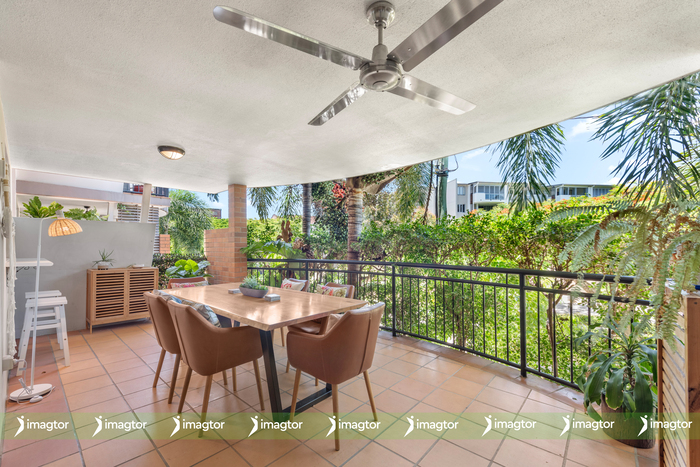
- Showcase before-and-after results.
- Record video case studies where agents explain success.
- Embed review widgets for instant credibility.
Fact: Reviews can boost conversion rates by up to 270% (Spiegel Research Center).
9. Evolve With Industry TrendsStay ahead by:
- Learning AI tools like Luminar Neo.
- Offering 3D Matterport tours for remote buyers.
- Producing short-form videos, which 84% of agents prefer (NAR 2024).
10. Measure, Adjust, and Scale
Track what works:
- Use UTM links to identify high-converting platforms.
- Refine content based on engagement.
- Aim for email open rates above 20%. Adjust subject lines if performance lags.
Final Thoughts
A strong personal branding strategy transforms a real estate photographer from “just another option” into the go-to choice. It builds recognition, trust, and authority – all of which drive long-term business growth.
Ready to strengthen your personal branding as a real estate photographer? Imagtor helps you stand out with expert photo editing, fast delivery, and professional support. Start today with a FREE TRIAL and claim a 10% DISCOUNT on your first project.
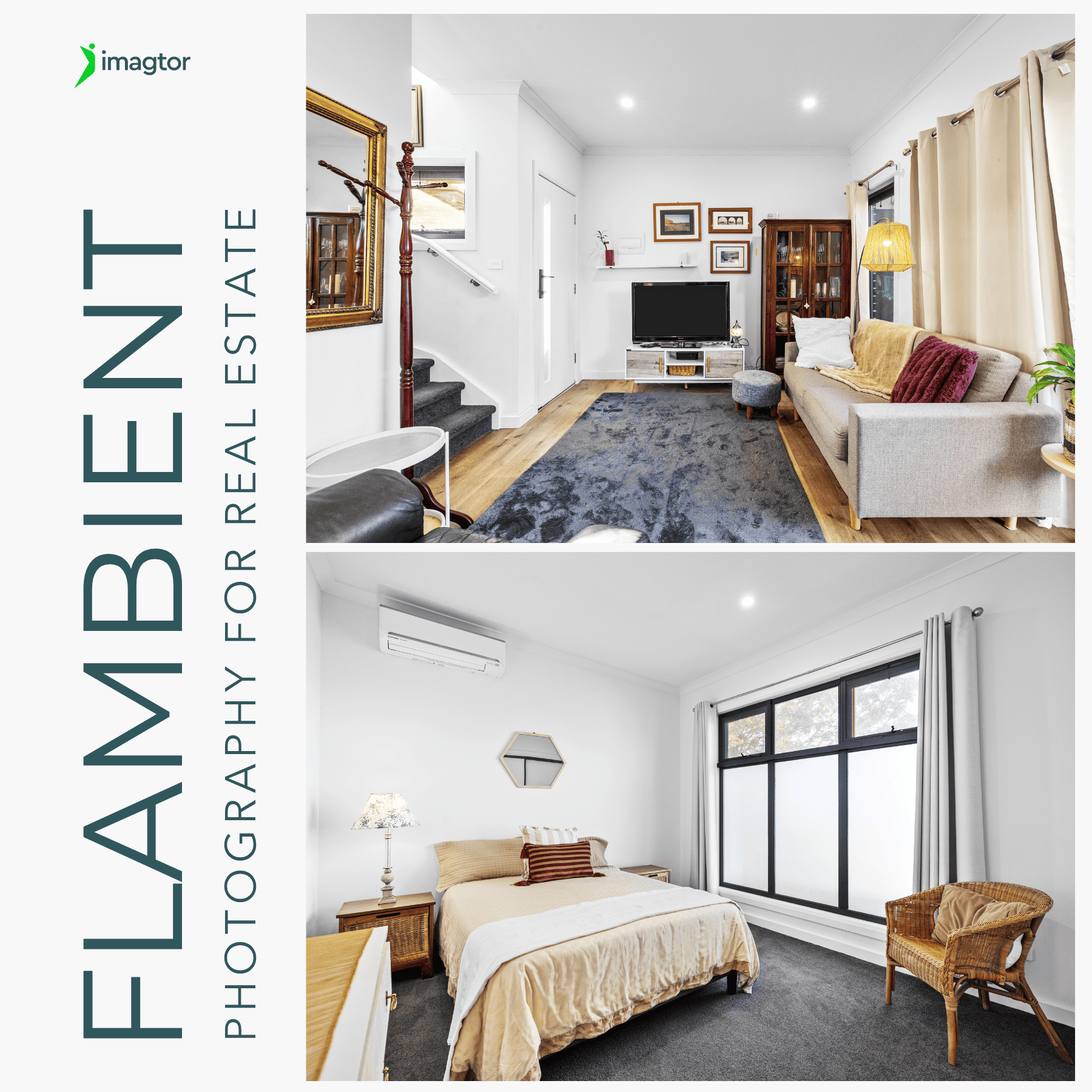
Flambient photography has become the go-to lighting technique for serious real estate photographers in 2026. It combines the natural light range of HDR with the color accuracy of flash, producing interior images that look clean, warm, and genuinely believable without the over-processed look that heavy HDR editing creates. This guide covers what flambient photography actually …
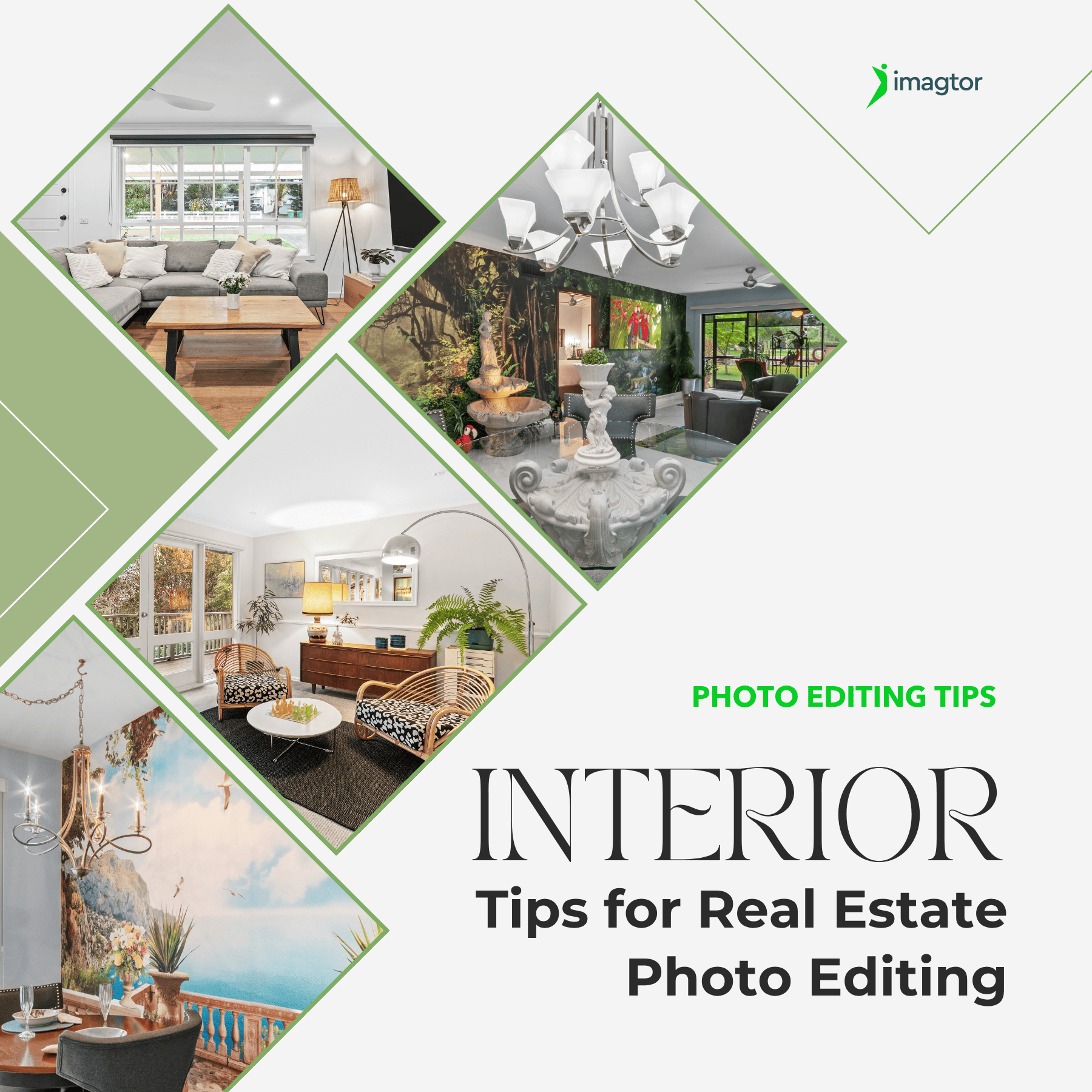
Interior real estate photo editing is where most of the work happens after a shoot. Getting exposure, color, and detail right across a full gallery is what separates listings that actually get clicks from ones that get skipped past. This guide covers the core techniques professionals use, in the order they actually matter, so every …