


In 2025, a real estate photographer is more than just a service provider. They are the driving force behind modern property marketing. With nearly every buyer starting their search online, professional images determine whether a listing captures attention or gets ignored. According to the National Association of Realtors, listings with professional photos gain 118% more views and sell up to 32% faster. Yet even with advanced gear and photo editing, success depends on skill. A talented real estate photographer represents your brand, and your ability to train, support, and retain them directly influences your reputation, growth, and long-term client relationships.
Why Training and Retention Matter Now More Than Ever
The real estate industry has higher visual demands than ever before. Without structured training, a new real estate photographer may deliver uneven results, add to editing costs, and weaken brand trust. Without thoughtful retention, your best talent may walk away, leaving knowledge gaps and harming client retention.
Training provides consistency: ensuring every real estate photography shoot meets technical and creative standards. Retention amplifies that investment, lowering turnover costs and building long-term loyalty. Together, training and retention create a team that clients trust – ultimately fueling repeat business and stronger client retention.
Define Your Standards Before You Train
Every real estate photography business must begin with clear standards. Your visual identity, shooting style, and technical benchmarks are the blueprint for your team. Without these, each real estate photographer interprets assignments differently, creating inconsistent results that jeopardize client retention.
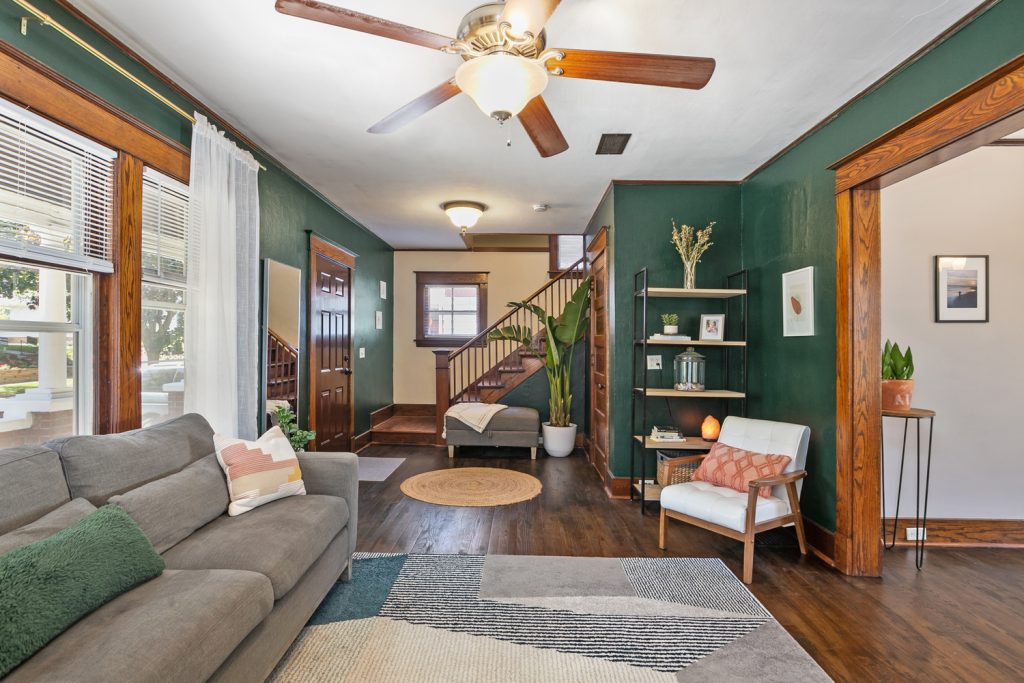
A brand guide should specify:
- Shooting style (bright daylight interiors vs twilight mood)
- Post-processing expectations (vertical corrections, sky replacements, distortion fixes)
- Deliverable formats (MLS-ready, HDR brackets, panorama requirements)
When standards are clear, training becomes easier, editing is faster, and clients receive consistent outcomes. Consistency is not just operationally efficient. It’s the backbone of client retention.
Create a Real Estate Photography Training System That Scales
Word-of-mouth training cannot scale. To build a high-performing team of real estate photographer, you need a standardized training system that can be applied across geographies, seniority levels, and work arrangements.
A strong training program should include:
- Technical modules: ISO, aperture, shutter speed, HDR, RAW handling, and flash-ambient blending.
- Creative modules: composition rules for small rooms, staging perspectives, and storytelling angles that enhance real estate photography.
- Operational modules: time management (25–35 photos in 60–90 minutes), checklists, and efficient room-to-room workflows.
According to LinkedIn’s 2024 Workforce Learning Report, 90% of professionals say development opportunities drive their decision to stay. By creating structured training, you’re not only improving skill but also strengthening loyalty – an essential part of client retention.
Build Feedback Loops and Mentorship Systems
A new real estate photographer cannot thrive without feedback. Establishing a mentorship program encourages knowledge transfer, while regular review sessions identify gaps before they become client issues.

- Assign mentors for the first 3–5 shoots of every new hire.
- Schedule gallery reviews every 30–60 days.
- Encourage peer-to-peer feedback to build collective standards.
Mentorship develops skill while also creating community. Photographers feel supported, motivated, and more connected to your brand – translating to stronger real estate photography quality and improved client retention.
Provide Career Development and Advancement Opportunities
Many real estate photographers leave not for money, but for growth opportunities elsewhere. If you want loyalty, build career paths that evolve with their skills.
Possible advancement ladder:
- Junior Photographer
- Senior Photographer
- Team Leader
- Regional Coordinator
Encourage certifications in drone work, 3D tours, or architectural shoots. Offer leadership opportunities such as training coordinator roles or project oversight. By expanding your real estate photography services, you create a broader client offering and foster client retention while simultaneously keeping your talent engaged.
Make Culture Part of Your Business Strategy
Culture is often overlooked but vital. A connected real estate photographer is one who stays longer, performs better, and contributes to stronger client retention.
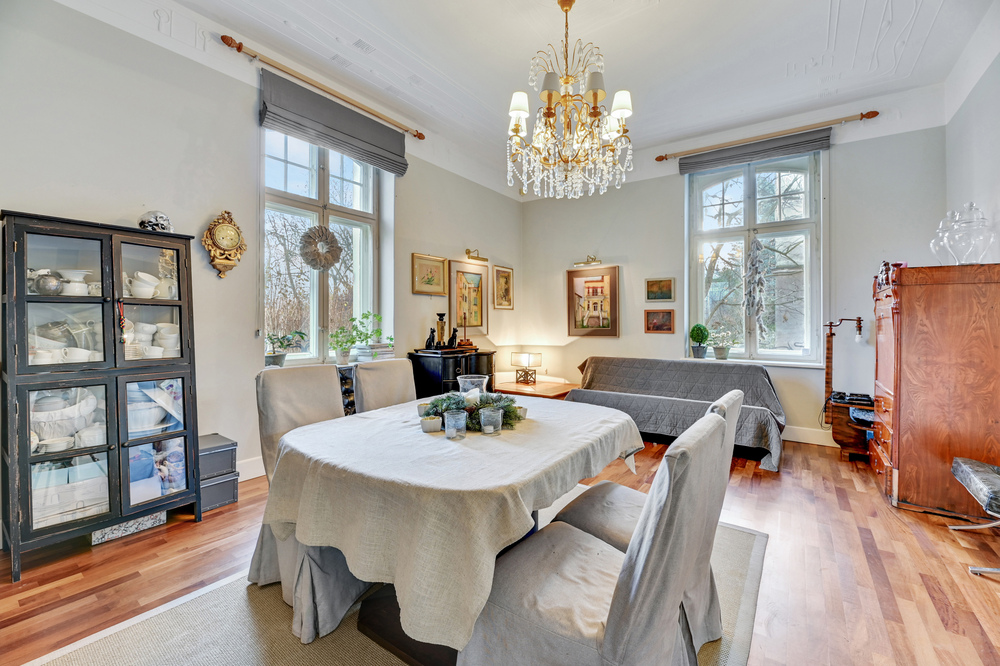
Ways to build culture:
- Weekly calls highlighting top galleries and client praise
- Recognition programs (Photographer of the Month, quarterly contests)
- Private communities on Slack or WhatsApp to share gear tips, challenges, and client stories
Culture isn’t just feel-good; it creates loyalty. When your photographers feel valued and connected, they deliver better results that directly support real estate photography excellence and repeat business.
Pay Fairly and On Time, Every Time
Compensation is one of the clearest signals of respect. In 2025, U.S. real estate photographer earns $150–350 per residential shoot, with add-ons like drone or twilight pushing rates higher.
Timely, fair pay ensures satisfaction and strengthens your reputation in the freelance community. Delayed or inconsistent payments erode trust and make client retention nearly impossible. Automating payment cycles, rewarding top performers, and offering seasonal bonuses go a long way toward maintaining a loyal team of real estate photographer.
Use Retention Data to Improve
Retention is measurable. Track how long each real estate photographer stays, when departures spike, and why. Conduct exit interviews, monitor survey data, and look for patterns.
By identifying causes of turnover – whether it’s unclear standards, poor culture, or lack of growth – you can refine your systems. Proactively solving these issues improves team stability, enhances real estate photography output, and sustains client retention over time.
>>> Read more about client retention for real estate photographers here: Client Retention Guidebook For Real Estate Photographers
Support Your Team With the Right Tools
Even the most talented real estate photographer struggles without efficient workflows. Equip your team with modern tools:
- Scheduling apps to eliminate confusion
- Gear checklists for consistency
- Shared calendars for accountability
- File delivery platforms for client ease
Smooth systems let your team focus on capturing quality real estate photography rather than battling inefficiency. Happier photographers create stronger client experiences, and better experiences are the cornerstone of client retention.
Conclusion
Your real estate photography business is only as strong as the photographers behind it. By investing in training, mentorship, culture, fair pay, and retention data, you build not just a team but a long-term growth engine. The outcome is higher-quality visuals, stronger brand reputation, and ultimately, deeper client retention.
At Imagtor, we help real estate businesses deliver exceptional real estate photography results with professional photo editing, efficient outsourcing, and reliable video editing services. Let your photographers focus on shooting while we handle the rest. Start today with a FREE TRIAL and enjoy 10% OFF your first project.

Flambient photography has become the go-to lighting technique for serious real estate photographers in 2026. It combines the natural light range of HDR with the color accuracy of flash, producing interior images that look clean, warm, and genuinely believable without the over-processed look that heavy HDR editing creates. This guide covers what flambient photography actually …

Interior real estate photo editing is where most of the work happens after a shoot. Getting exposure, color, and detail right across a full gallery is what separates listings that actually get clicks from ones that get skipped past. This guide covers the core techniques professionals use, in the order they actually matter, so every …