

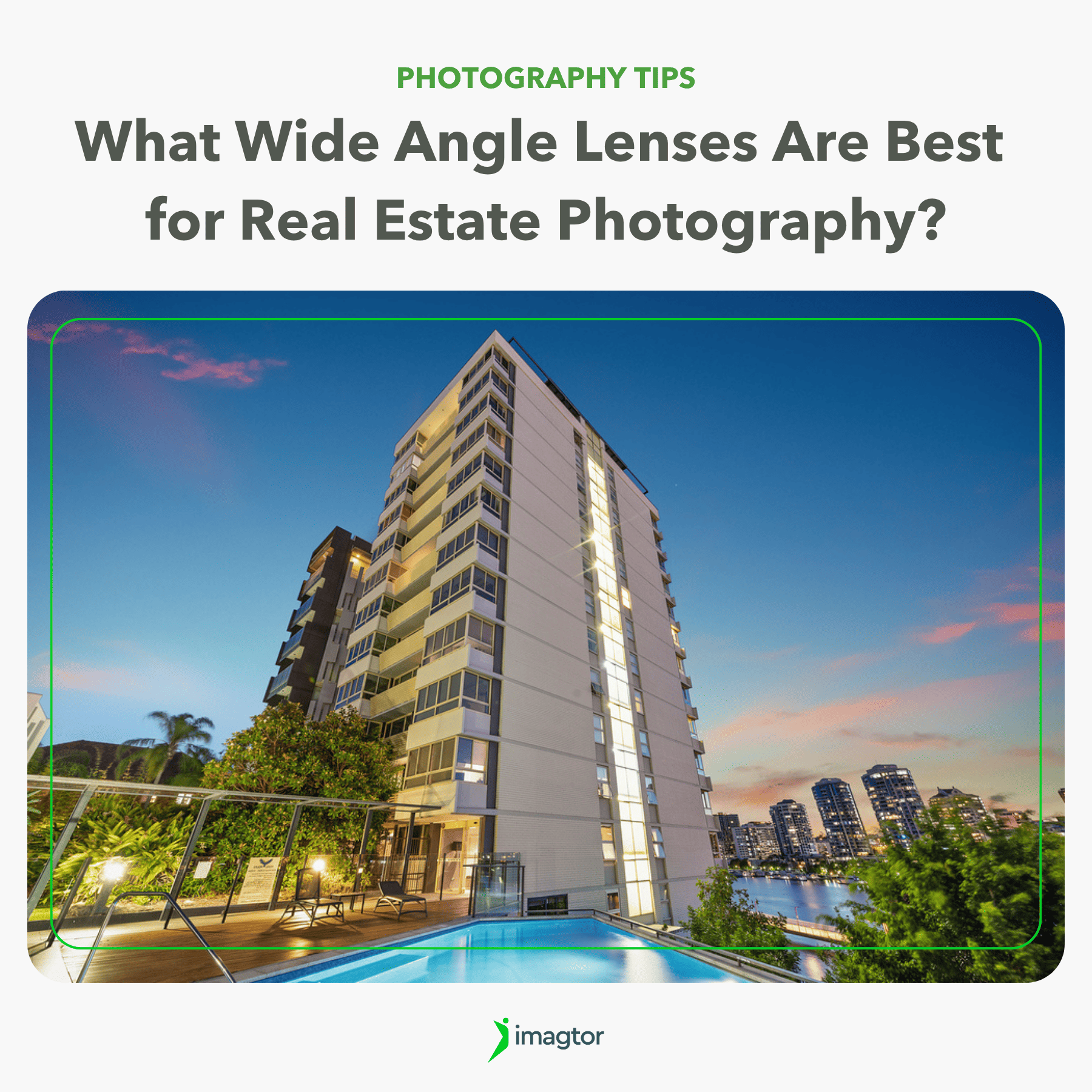
Wide angle lenses are among the most vital tools in real estate photography, essential for capturing space, depth, and layout effectively. They define how a property feels in photos, whether spacious and inviting or cramped and distorted. The right lens can capture the essence of a room, highlight layout flow, and emphasize architectural details that buyers want to see. As homes continue to be marketed primarily online, professional photographers rely on wide angle lenses to make every square foot stand out.
Why Wide Angle Lenses Are Essential in Real Estate Photography
Every real estate photographer knows that perspective sells. A small living room can appear twice as open, and narrow hallways can feel more balanced when shot with wide angle lenses. Unlike standard lenses (35–50mm), which offer a limited field of view, a wide angle lens (typically 14–24mm for full-frame cameras) can include nearly the entire room in one frame.
According to the National Association of Realtors, listings with high-quality professional photos receive 118% more views and sell up to 32% faster than those without. Much of that impact comes from the proper use of wide angle lenses that help potential buyers visualize the property layout.
Key benefits include:
- Capturing entire spaces: Ideal for interiors like living rooms, kitchens, and master suites.
- Enhancing spatial perception: Helps viewers sense scale and proportion.
- Highlighting flow: Shows how rooms connect naturally.
- Emphasizing design elements: Especially useful for luxury and architectural photography.
However, improper use can lead to distortions or exaggerated space perception. That’s why choosing the right lens and applying proper photo editing techniques are equally crucial.
Key Factors When Choosing Wide Angle Lenses
Not all wide angle lenses are built the same. Some are designed for flexibility and zoom control, while others prioritize optical precision. When selecting a lens for property photography, several factors should guide your decision:
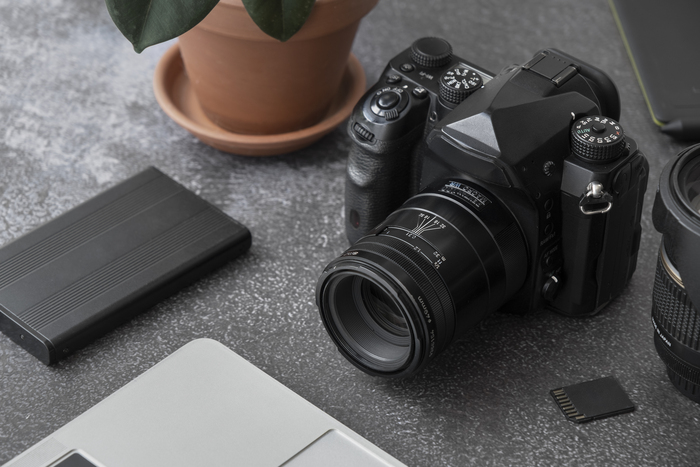
1. Focal Length Range
The sweet spot for real estate photography lies between 14mm and 24mm on full-frame cameras (equivalent to 10–16mm on APS-C).
- 14–16mm: Ideal for small interiors or tight spaces.
- 17–20mm: Balanced for general interior shots.
- 24mm: Great for exteriors and wide living spaces.
2. Aperture
An aperture of f/2.8 or f/4 is common. While real estate photographers typically shoot between f/5.6 and f/8 for maximum sharpness, a faster aperture allows better low-light performance when natural light is limited.
3. Distortion Control
Wide lenses can curve lines near the edges (known as barrel distortion). Premium wide angle lenses minimize this, while software correction through photo editing tools like Adobe Lightroom or AI-based correction can remove it completely.
4. Compatibility
Ensure your lens matches your camera sensor type. For example:
- Full-frame cameras (Canon R5, Sony A7R V, Nikon Z7 II) perform best with 14–24mm lenses.
- APS-C cameras (Canon R7, Sony A6700, Fujifilm X-T5) pair well with 10–18mm lenses.
5. Price and Build Quality
Entry-level wide angle lenses start around $400–$800, while professional-grade models with image stabilization and weather sealing range between $1,200–$2,500.
Best Wide Angle Lenses for Real Estate Photography in 2025
Here are the top-performing wide angle lenses that combine precision, reliability, and value for real estate photographers in 2025:
1. Canon RF 15–35mm f/2.8L IS USM
A top choice among real estate photographers using Canon’s mirrorless system. The RF 15–35mm delivers superb sharpness, stabilization, and color accuracy—perfect for handheld interior shots.
- Focal length: 15–35mm
- Aperture: f/2.8 constant
- Image stabilization: Yes
- Price: Around $2,300 USD
Its wide reach at 15mm makes it a go-to for small rooms without heavy distortion.
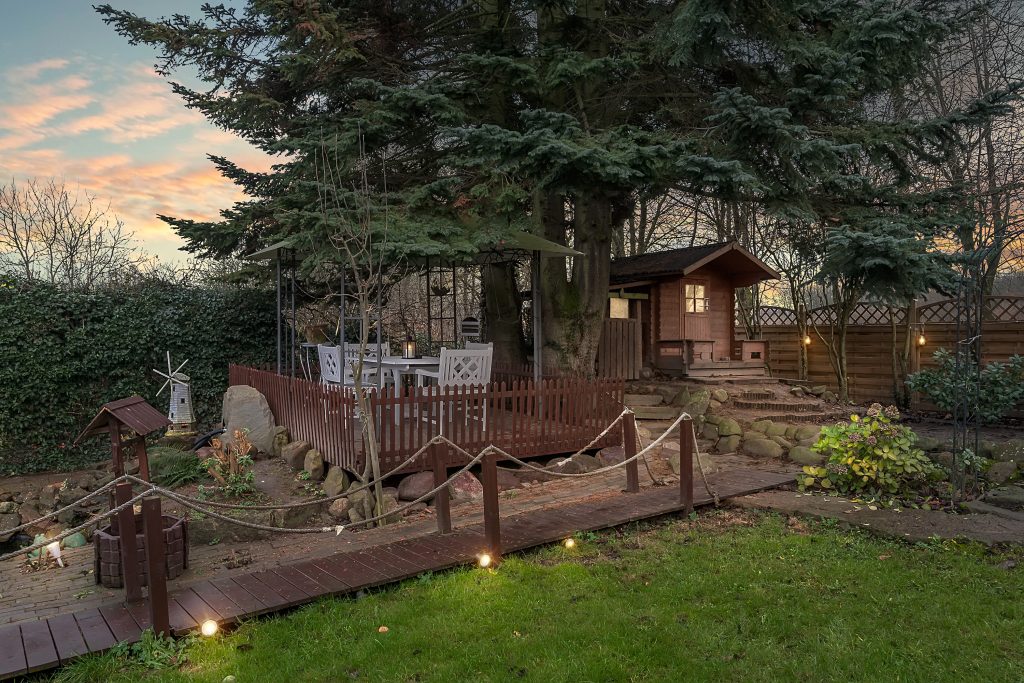
2. Nikon Z 14–30mm f/4 S
Lightweight yet powerful, this lens is favored for edge-to-edge sharpness and almost no chromatic aberration. The flat front element allows easy use of filters – ideal for property photography that demands precision.
- Focal length: 14–30mm
- Aperture: f/4
- Weight: 485g
- Price: Around $1,200 USD
It’s a perfect balance of quality and affordability for Nikon Z full-frame users.
3. Sony FE 16–35mm f/2.8 GM II
Known for exceptional resolution, this wide angle lens handles interiors beautifully. Its fast autofocus and excellent low-light performance make it a strong choice for professional property photographers.
- Focal length: 16–35mm
- Aperture: f/2.8 constant
- Price: Around $2,300 USD
The GM II version offers improved corner sharpness and reduced distortion.
4. Sigma 14–24mm f/2.8 DG DN Art
Sigma’s Art series remains one of the best value-for-money options for real estate photography. Sharp, bright, and available for Sony and L-mount cameras.
- Focal length: 14–24mm
- Aperture: f/2.8
- Price: Around $1,200 USD
Its clarity rivals native lenses at half the cost.
5. Tamron 17–28mm f/2.8 Di III RXD
Compact and lightweight, the Tamron 17–28mm is ideal for real estate photographers who travel frequently or shoot handheld.
- Focal length: 17–28mm
- Aperture: f/2.8
- Weight: 420g
- Price: Around $900 USD
A top option for Sony users who want portability without sacrificing quality.
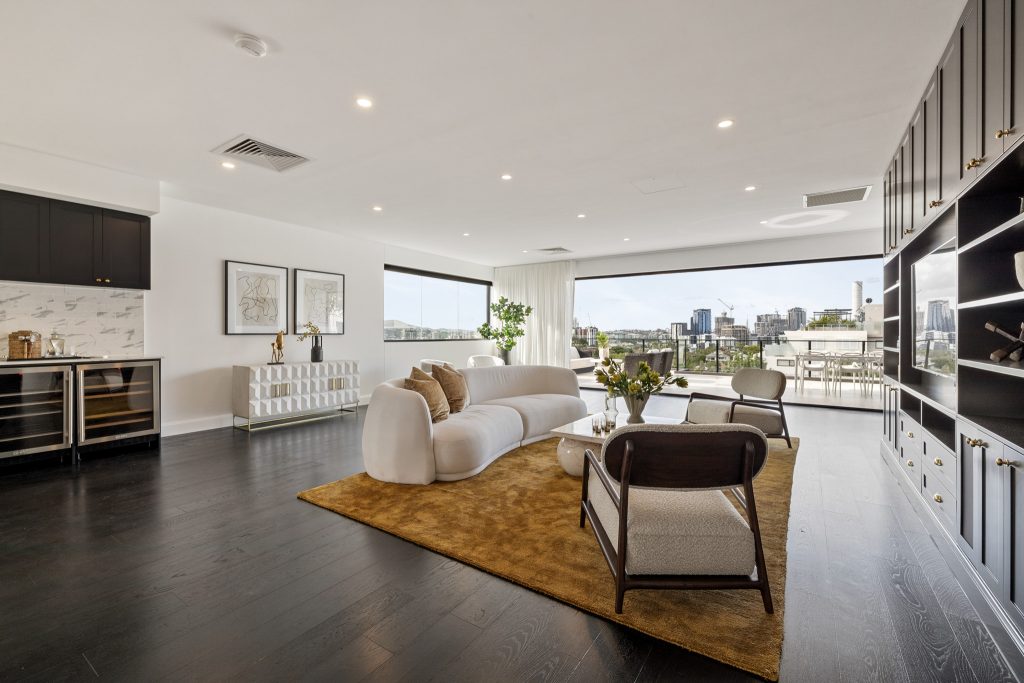
6. For APS-C Cameras
If you’re using a crop-sensor camera, these wide angle lenses perform exceptionally well:
- Canon RF-S 10–18mm IS STM: Compact and stabilized; great for handheld shots. (~$400 USD)
- Sony 10–18mm f/4 OSS: Excellent sharpness; stabilized for interiors. (~$800 USD)
- Fujifilm XF 10–24mm f/4 R OIS WR: Premium optics with weather resistance. (~$1,000 USD)
Comparison Snapshot
| Lens | Focal Length | Aperture | Stabilization | Price (USD) | Best For |
|---|---|---|---|---|---|
| Canon RF 15–35mm | 15–35mm | f/2.8 | Yes | 2,300 | High-end interiors |
| Nikon Z 14–30mm | 14–30mm | f/4 | No | 1,200 | Balanced performance |
| Sony 16–35mm GM II | 16–35mm | f/2.8 | No | 2,300 | Professional projects |
| Sigma 14–24mm Art | 14–24mm | f/2.8 | No | 1,200 | Affordable alternative |
| Tamron 17–28mm | 17–28mm | f/2.8 | No | 900 | Travel & handheld |
| Fuji 10–24mm | 10–24mm | f/4 | Yes | 1,000 | APS-C users |
Editing and Correction for Wide Angle Shots
Even the best wide angle lenses can produce slight distortions, especially when shooting tight interiors. This is where photo editing and property photo editing come into play.
Tools like Adobe Lightroom’s Lens Correction, Capture One, or AI-based image correction automatically fix warped lines and chromatic aberrations. For professional projects, outsourcing to property photo editing services ensures each image looks natural and perfectly aligned.
Virtual staging, 3D rendering, and AI-powered enhancement tools also build on the foundation of well-captured wide angle images, turning raw shots into fully market-ready visuals. These techniques are now standard for photographers aiming to deliver complete property presentation packages.
At Imagtor, we help real estate photographers bring out the full potential of every property image with professional photo editing services. From correcting lens distortion to enhancing lighting and perspective, our expert team ensures every wide-angle shot looks natural and inviting. Experience our fast turnaround, consistent quality, and dedicated support — plus get a FREE TRIAL and 10% DISCOUNT on your first order!
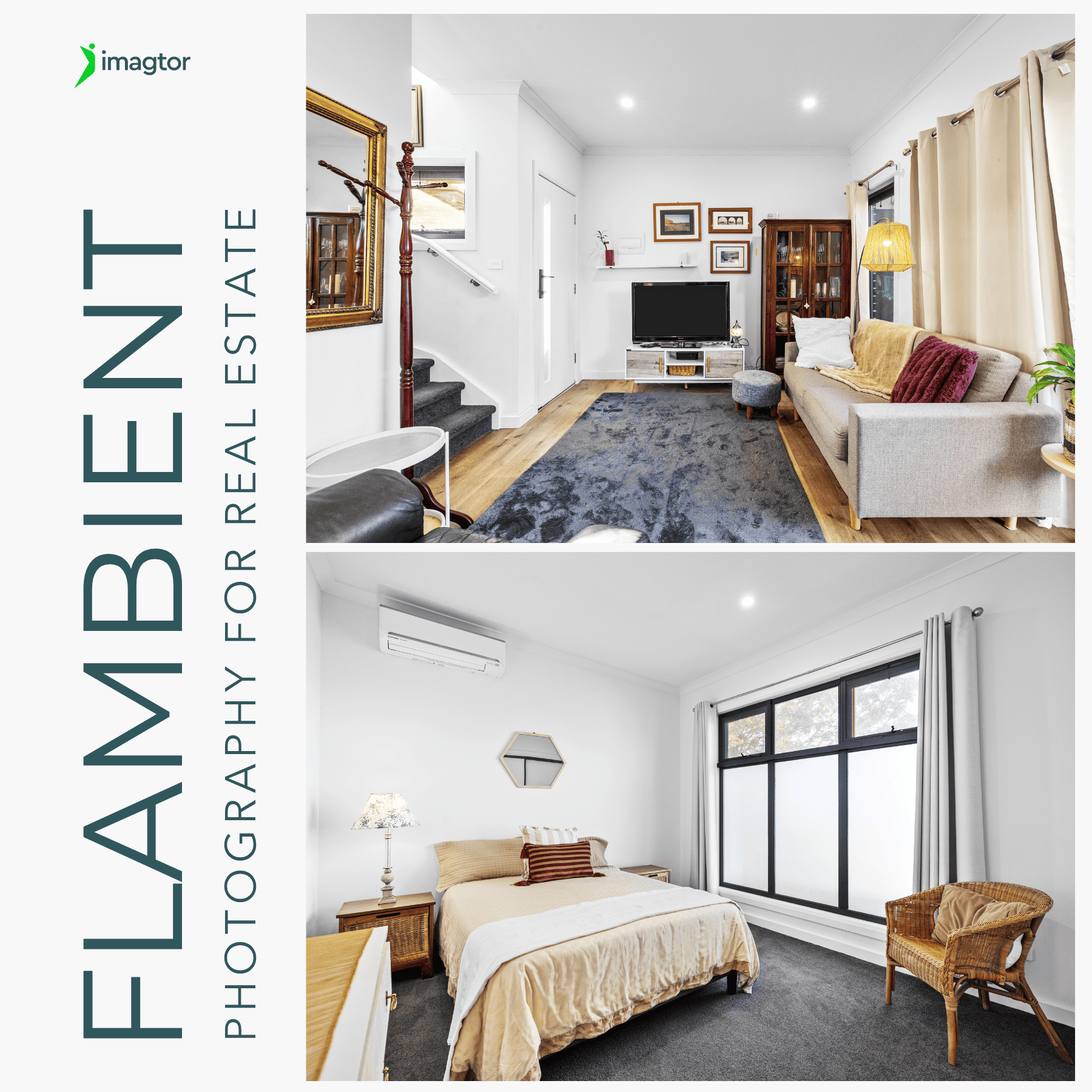
Flambient photography has become the go-to lighting technique for serious real estate photographers in 2026. It combines the natural light range of HDR with the color accuracy of flash, producing interior images that look clean, warm, and genuinely believable without the over-processed look that heavy HDR editing creates. This guide covers what flambient photography actually …
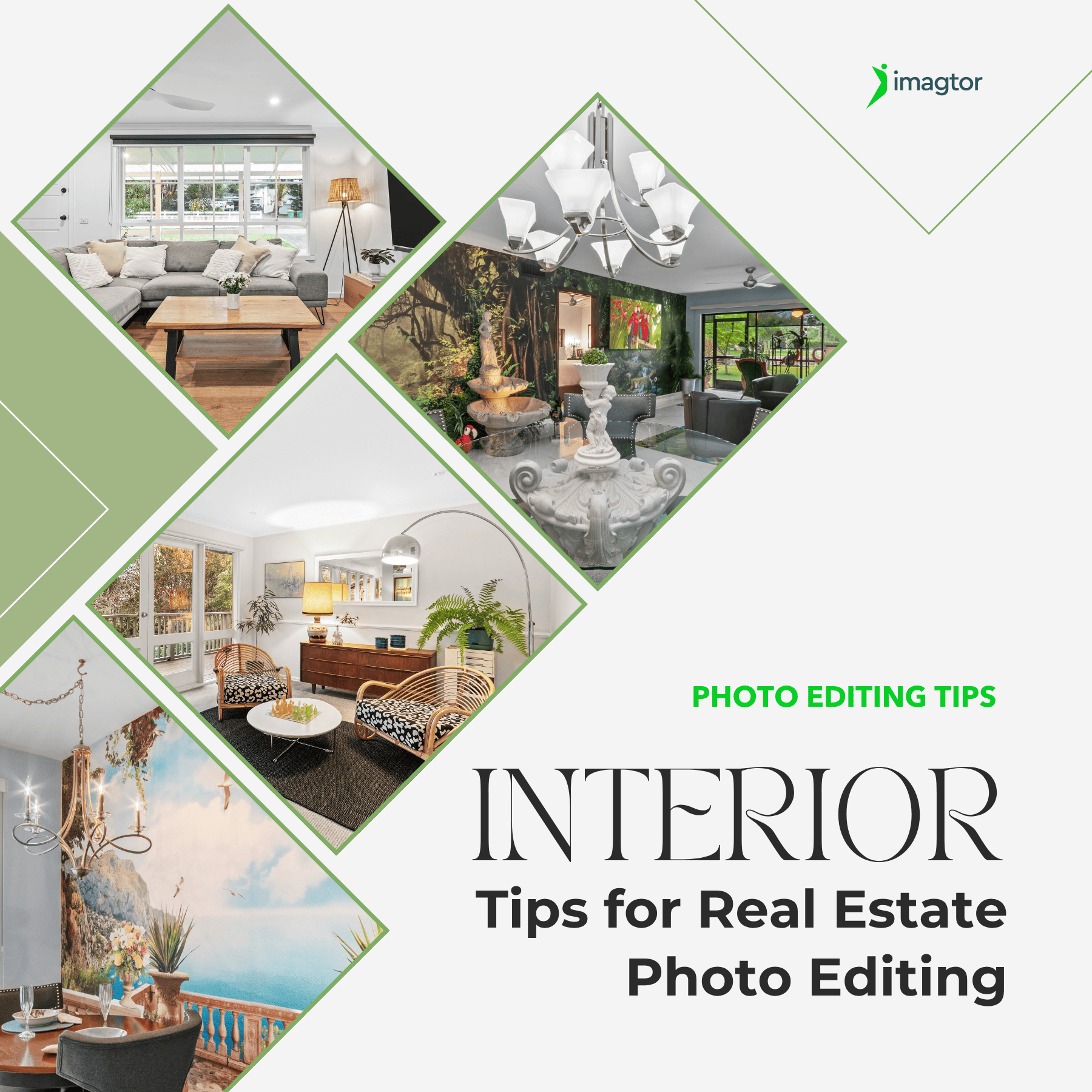
Interior real estate photo editing is where most of the work happens after a shoot. Getting exposure, color, and detail right across a full gallery is what separates listings that actually get clicks from ones that get skipped past. This guide covers the core techniques professionals use, in the order they actually matter, so every …