
Property photography composition mistakes that shrink rooms

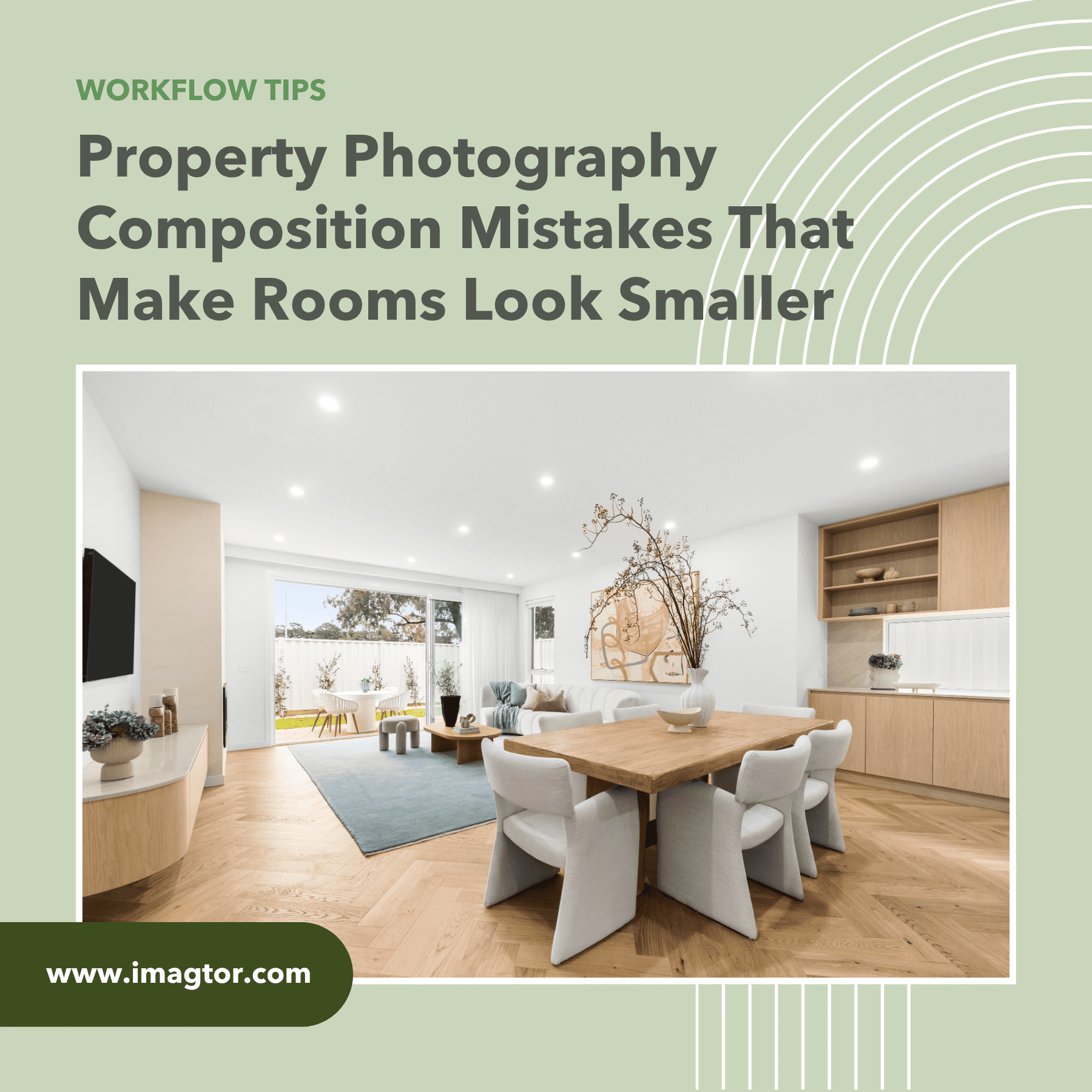
Even a spacious room can look small if the photography composition is off. A few simple changes to your camera position and framing can make interiors feel more open, balanced, and inviting without changing your gear.
Why photography composition matters in property photography
Buyers judge space from photos before they ever step inside a property. If a room looks cramped in the listing images, many will move on without booking a viewing, even if the room is actually a good size.
Good photography composition shows the flow of a home, highlights the best features, and gives buyers a realistic sense of space. Most composition mistakes are also easy to fix once you know what to look for.
Standing too close to the subject
Moving too close to the furniture is one of the most common mistakes in property photography.
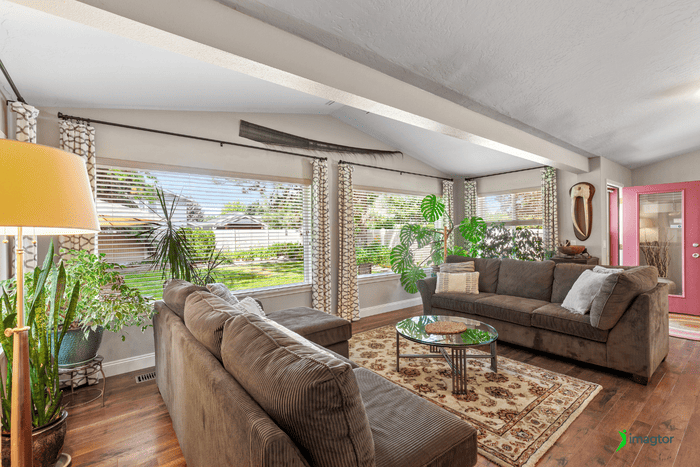
A wide-angle lens captures more of the room, but getting too close exaggerates perspective. Sofas, kitchen islands, and dining tables can look oversized while the rest of the room gets squeezed into the background.
Step back whenever you can and let the lens do the work. This creates a more balanced image and gives buyers a better sense of actual room size. If a wall or doorway stops you from moving back, try adjusting your angle rather than just zooming out.
Choosing the wrong camera height
Camera height changes how a room feels more than most photographers expect.
Shooting too high shows too much floor and breaks the connection between furniture and the space. Shooting too low lets large furniture dominate the frame and makes the room feel shorter than it is.
For most interiors, chest height is a solid starting point. But treat it as a guide, not a rule. Kitchens, bathrooms, and bedrooms often need small adjustments depending on the layout. Check your live view before you shoot. Sometimes moving the tripod up or down by just a few inches makes a noticeably stronger photography composition.
Forgetting to create depth
Shooting straight at a single wall is one of the fastest ways to make a room feel flat and closed in.
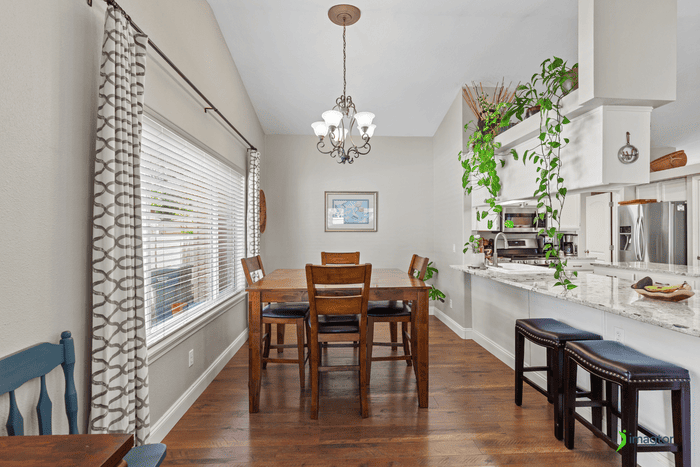
Look for angles that guide the viewer’s eye through the space instead. Shooting from a corner is a simple and effective technique because it reveals two walls at once, giving the room more dimension and helping buyers understand the layout.
Including part of an adjacent room through an open doorway also helps. Showing how spaces connect makes the home feel larger and improves the overall flow of the gallery.
Letting vertical lines lean
Crooked walls make a property photo look unprofessional fast. Buyers may not be able to name exactly what looks wrong, but they will notice something is off.
Tilting the camera up or down causes vertical lines to lean inward or outward. Keep the camera level and check the verticals before moving to the next room.
Perspective correction in editing can fix small issues, but it works much better when the original photo is already close to straight. Getting it right in camera also means less time spent in post.
Using a wide-angle lens the wrong way
Wide-angle lenses are a staple in real estate photography, but they need to be used with some care.
A wider lens does not automatically make a room look bigger. Placing important furniture too close to the edges of the frame makes stretching and distortion much more obvious. A slightly narrower focal length with better framing often produces a more natural result than going as wide as possible.
The goal of good photography composition is not to fit everything into one frame. It is to create an image that feels spacious without looking unrealistic.
>> Read more: What Wide Angle Lenses Are Best for Real Estate Photography?
Ignoring clutter and visual distractions
What stays inside the frame matters as much as where you position the camera.
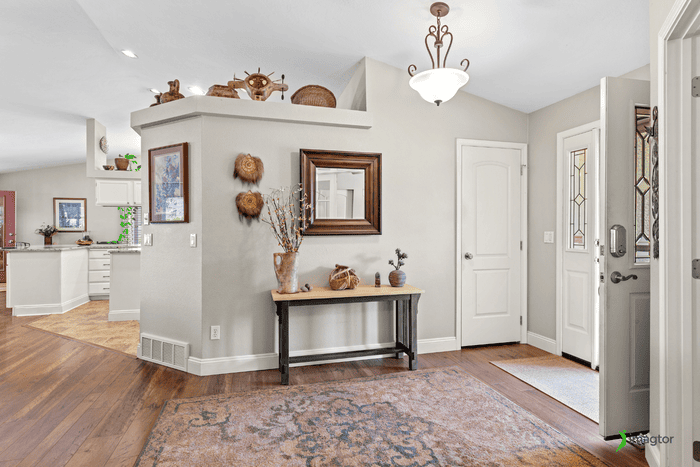
Small distractions pull attention away from the room itself and make a space feel busier than it actually is. Before you shoot, take a quick look around. Move loose cables, straighten chairs, close unnecessary cabinet doors, and remove anything that does not add value to the photo.
You do not need the room to look staged perfectly. Reducing visual clutter is usually enough to help buyers focus on the property instead of the mess.
>> Read more: Decluttering Photo Editing: Why a Clean Image Sells Homes Faster
Thinking beyond the camera
Some of the strongest composition improvements happen before you take a single shot.
Open curtains to let in natural light. Turn on feature lighting if it adds warmth. Straighten blinds, fluff cushions, and make sure furniture is arranged neatly. In occupied homes, spend a few extra minutes clearing personal items with the homeowner’s permission.
These small steps do not take long, but they make every interior photo feel cleaner and more considered.
Fine-tuning composition during editing
Editing improves a good photo. It does not rescue a poor one.
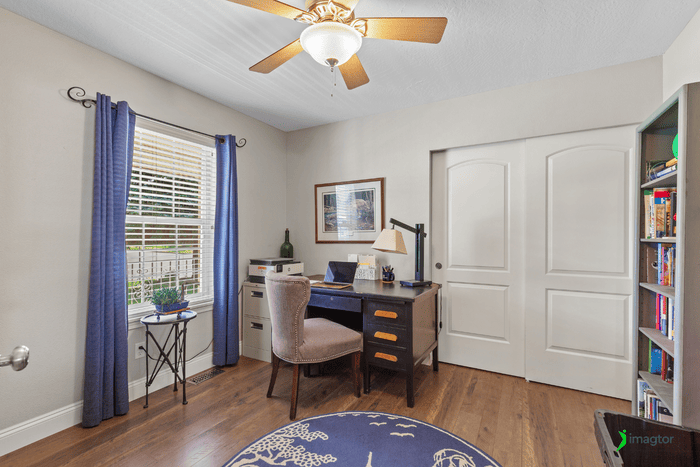
Small perspective corrections can straighten walls that are slightly off. Careful cropping removes distractions near the frame edges. Brightness adjustments draw attention toward the main part of the room. Object removal handles anything that was difficult to move on site.
The stronger your original photography composition is, the more natural the final edited image will look. Editing should be the last step in the process, not the fix for problems that could have been avoided during the shoot.
Building better photography composition habits
Better photography composition does not require new gear. Most improvements come from slowing down for a few seconds before pressing the shutter.
Check your camera height. Look at the edges of the frame. Keep vertical lines straight. Think about how the viewer’s eye moves through the room. These habits become second nature quickly and lead to stronger, more consistent galleries over time.
Review your images on-site before moving to the next room. Catching a composition issue while you are still there is always faster than trying to fix it in editing later.
Once you have a well-composed image, professional editing handles the rest. At Imagtor, our team refines perspective, balances lighting, and removes minor distractions while keeping the final result natural and consistent.
Strong photography composition starts behind the camera, and professional editing brings it to life. Imagtor delivers consistent real estate photo editing with fast turnaround, so you can spend more time shooting and less time at the screen.
Start today with a FREE TRIAL and get a 10% BULK DISCOUNT on your first order.
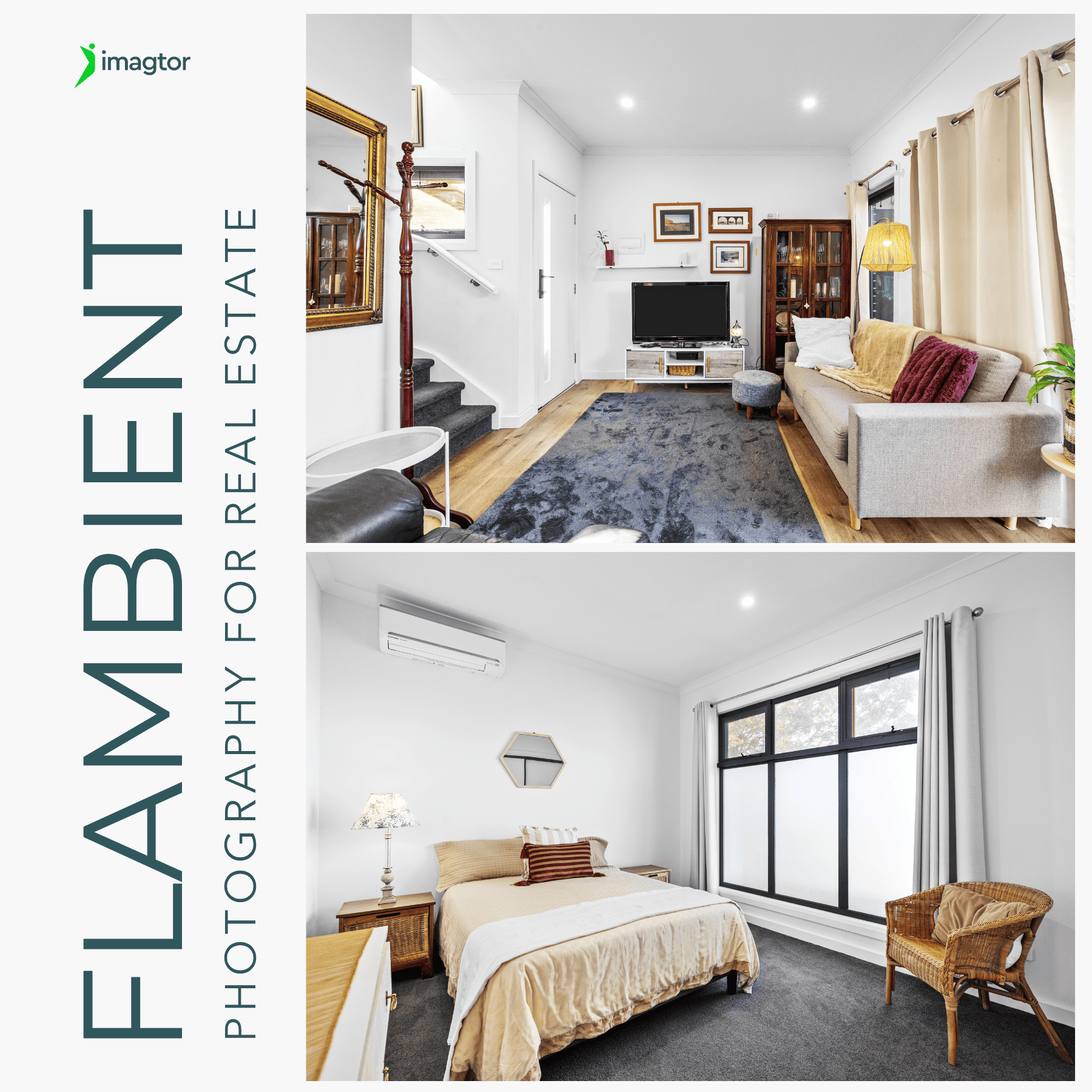
Flambient photography has become the go-to lighting technique for serious real estate photographers in 2026. It combines the natural light range of HDR with the color accuracy of flash, producing interior images that look clean, warm, and genuinely believable without the over-processed look that heavy HDR editing creates. This guide covers what flambient photography actually …
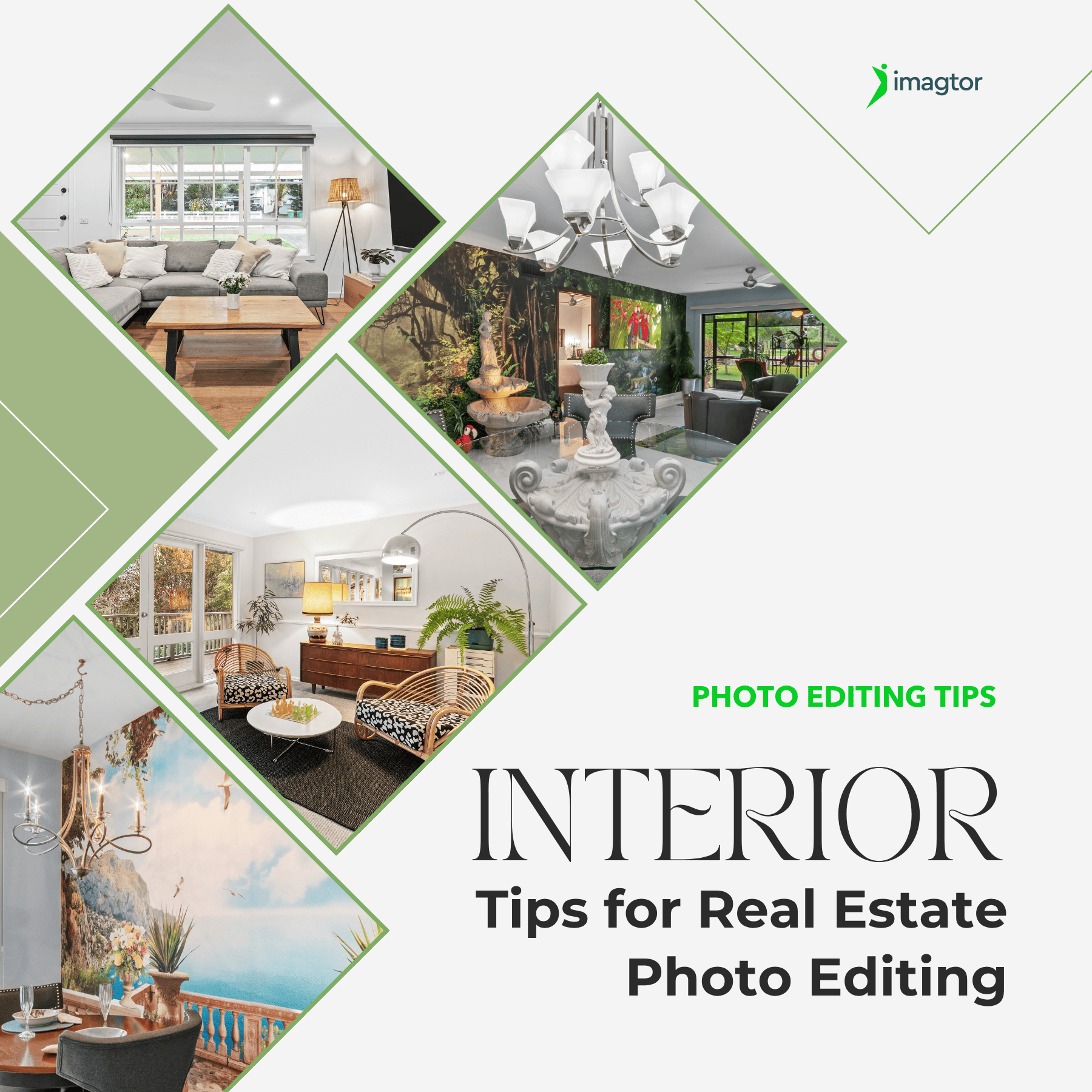
Interior real estate photo editing is where most of the work happens after a shoot. Getting exposure, color, and detail right across a full gallery is what separates listings that actually get clicks from ones that get skipped past. This guide covers the core techniques professionals use, in the order they actually matter, so every …