
Community-Centric Real Estate Marketing: Selling Lifestyle in 2025

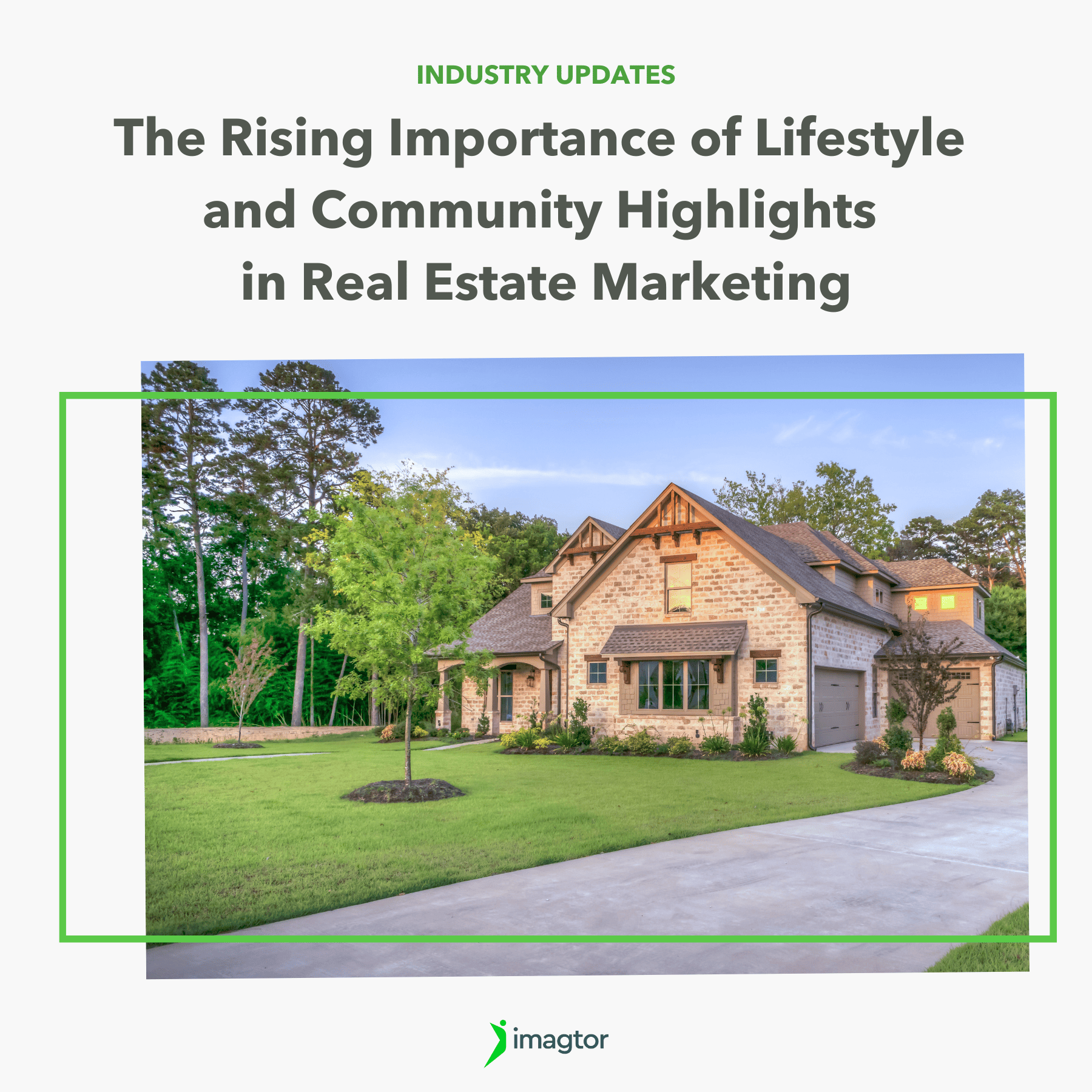
In 2025, real estate marketing is no longer just about selling homes. Buyers want a lifestyle and a sense of community. This blog explores why marketing strategies that focus on livability, wellness, and emotional connection are driving results across the real estate industry.
I. A Shift in Buyer Psychology
In 2025, real estate marketing is moving beyond showcasing individual properties to presenting an entire lifestyle narrative. Modern homebuyers are no longer satisfied with basic descriptions of square footage and finishes. Instead, they want to know how they will live, work, and connect within a community.
According to PwC’s Global Trends Report, lifestyle-driven decisions now shape over 65% of real estate purchases globally. Buyers are influenced by social, cultural, and environmental factors as much as by property features. The ability to market not just a home but the community lifestyle it offers has become decisive in closing deals.
II. Why Community-Centric Real Estate Marketing is Dominating
1. Growing Influence of Millennials and Gen Z
Millennials and Gen Z now represent 54% of all property purchases in North America and Europe (NAR, 2025). Unlike Baby Boomers, these buyers value convenience, wellness, and social connections. Surveys show that 73% of Millennials and 69% of Gen Z buyers prioritize walkability, green spaces, and cultural amenities.
This explains why suburban and exurban areas with strong community identities – like Boston suburbs offering outdoor recreation and coworking hubs – saw home prices rise by 19% year-over-year in 2024.
2. The Rise of the Livability Index
The livability score, which measures walkability, transit access, green spaces, and schools, is now central to buyer decisions. Data shows homes in neighborhoods scoring 80+ on Walk Score sell 24 days faster and at a 17% price premium.
For real estate marketing, showcasing these lifestyle metrics directly appeals to modern buyers’ priorities.
3. Emotional Buying Behaviors
McKinsey’s 2025 Consumer Insights Report found that emotional engagement drives 60% of purchasing decisions. In real estate, buyers respond to community stories – such as family-friendly parks, pet amenities, or local events.
A New York brokerage increased inquiries by 31% after shifting its marketing to highlight lifestyle benefits in Brooklyn neighborhoods.
>>> Read more: How Emotion Sells Homes: Real Estate Photography Tips
III. Micro-Trends Reshaping Real Estate Marketing
1. The Expansion of 15-Minute Cities
Cities like Paris, Melbourne, and Portland are adopting the 15-minute city model, where essentials are within walking distance. According to CBRE, homes in these zones sell 18% faster and command premiums of up to 21%.
For real estate marketing, this reinforces the value of positioning homes within walkable, mixed-use communities.
2. The Growing Role of Remote Work
With 38% of global workers now hybrid or fully remote, demand is rising for suburban areas that offer coworking spaces, wellness hubs, and recreational options. Developers are integrating high-speed internet, fitness centers, and community clubs to meet this new lifestyle demand.
3. Health and Wellness Communities
Wellness real estate is projected to reach $919 billion by 2027. Buyers want organic markets, health services, and outdoor spaces. Homes in wellness-oriented communities sell at a 12% premium and 15 days faster than average.
>>> Read more: Managing a Remote Photography Team: A Complete Guide
IV. Buyer Profiles and Their Evolving Needs
- Young Professionals and Digital Nomads: Seek vibrant community hubs with coworking spaces, nightlife, and cultural diversity.
- Families with Children: Prioritize schools, playgrounds, and safe neighborhoods.
- Retirees and Empty Nesters: Value healthcare, recreation, and cultural amenities, often gravitating toward walkable lifestyle communities.
Each demographic requires tailored real estate marketing strategies to highlight what matters most to them.
V. The Digital Transformation of Real Estate Marketing
Immersive Neighborhood Tours
Virtual reality and 360° video tours now allow buyers to explore a community before visiting. Matterport reports that 55% of buyers are more likely to request showings after viewing immersive content.
Data-Driven Advertising
AI-powered platforms like Zillow Premier Agent allow hyper-local targeting based on buyer lifestyle preferences, from dog parks to nightlife. Personalized ads see higher conversions.
Lifestyle Content Strategy
Brokerages that create blogs, videos, and social posts about local culture and community living generate 33% more qualified leads than property-only ads.
VI. International Market Insights
1. North America
Canadian and U.S. buyers are increasingly valuing community engagement and environmental consciousness. According to NAHB, homes near protected green spaces or public parks see an average appreciation of 8% to 20% more than comparable properties.
The growing demand for green infrastructure and recreational amenities is particularly strong in cities like Denver, Austin, and Vancouver, where urban planning is incorporating sustainability and wellness into neighborhood design.
2. Europe
European buyers are gravitating toward urban villages and 15-minute city models, where residential, commercial, and recreational spaces co-exist within compact neighborhoods. RICS projects a 22% increase in demand for homes in cities such as Amsterdam, Copenhagen, and Paris that are actively implementing urban densification and mixed-use planning.
Additionally, real estate developers are capitalizing on heritage conservation and cultural identity to appeal to European buyers’ desire for authenticity.
Why This Matters for Real Estate Marketing in 2025
The future of real estate marketing lies in aligning property promotion with community values and modern lifestyle expectations. Success comes from selling not just a house but a way of living.
Ready to elevate your real estate marketing with visuals that highlight both properties and communities? Imagtor delivers professional photo editing, lifestyle-driven content, and marketing solutions designed to attract today’s buyers.
Start your FREE TRIAL and 10% DISCOUNT today and see how community-centric marketing can grow your business.
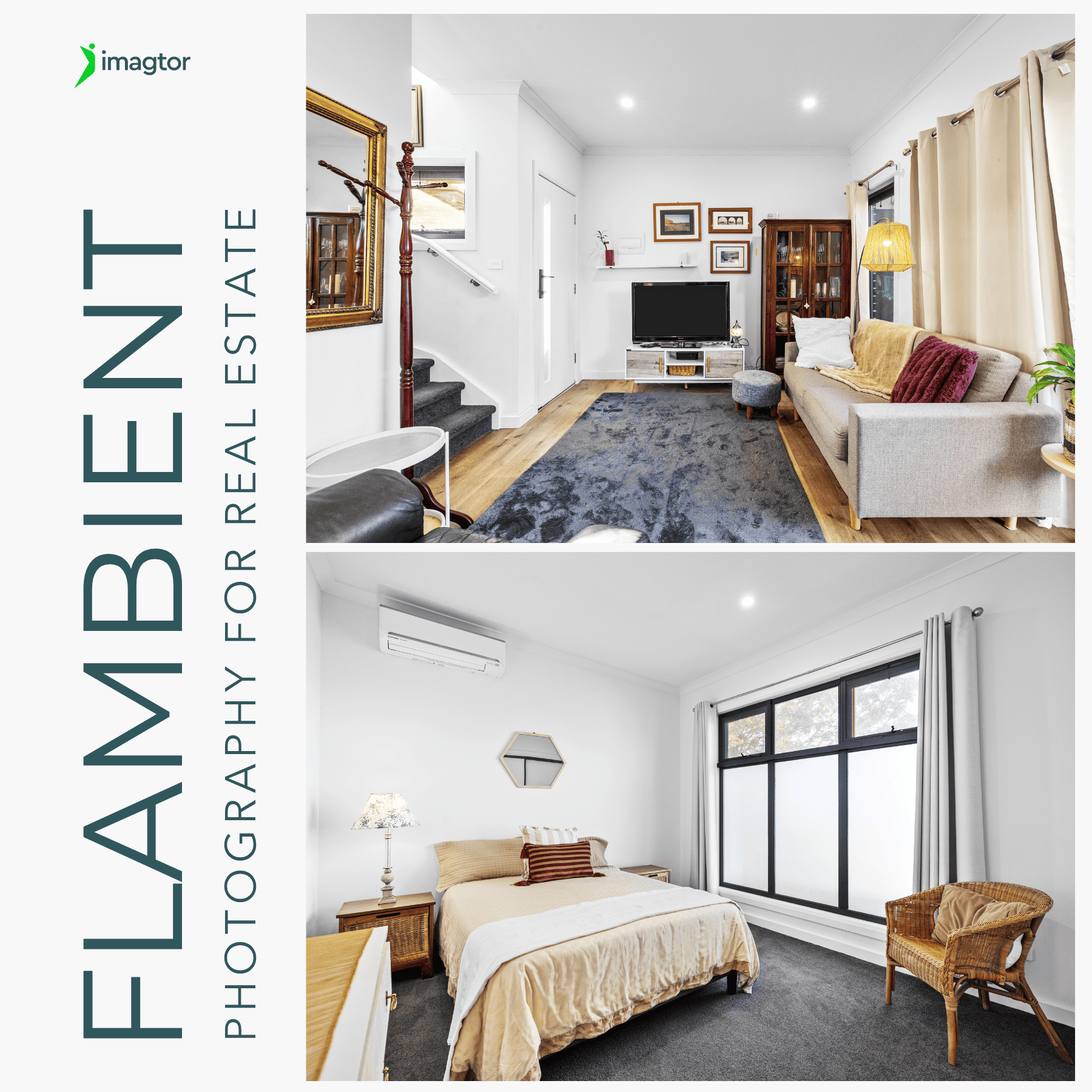
Flambient photography has become the go-to lighting technique for serious real estate photographers in 2026. It combines the natural light range of HDR with the color accuracy of flash, producing interior images that look clean, warm, and genuinely believable without the over-processed look that heavy HDR editing creates. This guide covers what flambient photography actually …

Interior real estate photo editing is where most of the work happens after a shoot. Getting exposure, color, and detail right across a full gallery is what separates listings that actually get clicks from ones that get skipped past. This guide covers the core techniques professionals use, in the order they actually matter, so every …