
How Emotion Sells Homes: Real Estate Photography Tips


In the competitive world of real estate, buyers are not just looking for a house. They’re searching for a place to call home. The difference between a listing that gets overlooked and one that captures attention often comes down to emotion. Effective real estate photography goes beyond showcasing a property; it creates an emotional connection that makes potential homebuyers envision their future in the space.
Why Emotion Matters in Real Estate Photography
Buying a home is a deeply emotional decision. People rarely choose a property based solely on its specifications. They choose based on how a home makes them feel. Emotionally compelling real estate photography helps buyers:
- Visualize themselves living in that space.
- Feel a sense of warmth, comfort, and belonging.
- Connect with the home on a deeper level, leading to quicker decisions and stronger offers.
According to the National Association of Realtors (NAR), listings with professional photography receive 61% more views and sell 32% faster than those without. This proves that emotional presentation directly impacts buying behavior.
Practical Techniques for Creating Emotionally Engaging Real Estate Photos

1. Optimize Lighting for a Warm and Inviting Atmosphere
Lighting defines mood. Soft, natural light makes spaces feel comfortable and welcoming, while harsh lighting can create an uninviting tone.
- Shoot during golden hour (early morning or late afternoon) for soft, balanced lighting.
- Use multiple indoor light sources to reduce harsh shadows.
- Avoid overexposed windows: apply HDR blending for consistent brightness.
- Choose warm bulbs (2700K–3000K) to create a cozy atmosphere.
- Camera settings: ISO 100–400, aperture f/8–f/11, shutter 1/60s–1/250s for clarity and detail.
2. Stage Spaces to Evoke a Sense of Home
Staging transforms empty rooms into emotionally engaging environments.
- Arrange furniture for natural flow and visual balance.
- Incorporate textures link blankets, rugs, and pillows to add warmth.
- Include lifestyle props: a coffee mug, an open book, or fresh flowers to suggest daily life.
- Declutter to help homebuyers imagine their own lives within the home.
3. Capture the Right Angles and Composition
Angles influence emotion. The right perspective can make a space feel open, calm, and inviting.
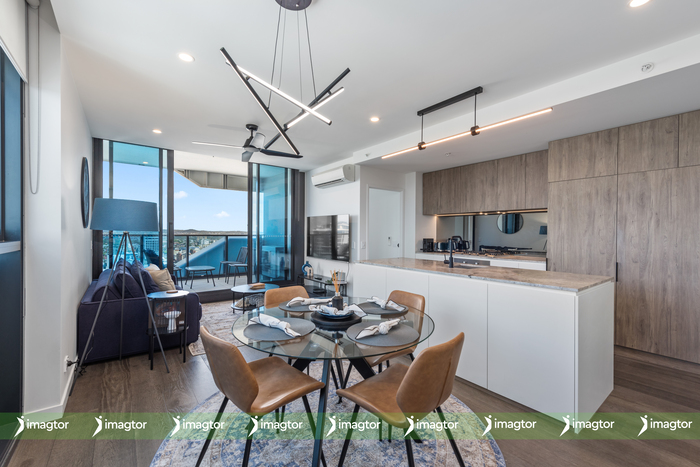
- Shoot from 4–5 feet (1.2–1.5m) for a natural eye-level perspective.
- Use a wide-angle lens (16–24mm full-frame or 10–18mm APS-C) to capture depth and spaciousness.
- Frame shots through doorways to suggest flow and discovery.
- Connect indoors and outdoors by including windows or garden views, this adds depth and life.
4. Highlight Key Selling Points
Every home has features that define its charm. Draw the viewer’s eye to what makes the property special.
- Emphasize architectural features: fireplaces, beams, staircases.
- Showcase functional areas: home offices, bright kitchens, or outdoor patios.
- Feature lighting design: chandeliers, pendant lights, or skylights to enhance ambiance.
5. Edit for a Natural and Emotional Appeal
Post-processing should refine, not distort.
- Adjust white balance (around 5000K–5500K) for natural tones.
- Enhance contrast and brightness without over-saturation.
- Remove small distractions (wires, blemishes) while maintaining texture.
- Use exposure blending in HDR editing to preserve window views and balanced lighting.
How Emotionally Driven Photography Sells Homes Faster
Emotionally powerful visuals make a measurable impact. According to VHT Studios, homes photographed professionally can sell for up to 12% more than their listing price. Furthermore, emotionally engaging images receive 24% more clicks on platforms like Zillow and Realtor.com.
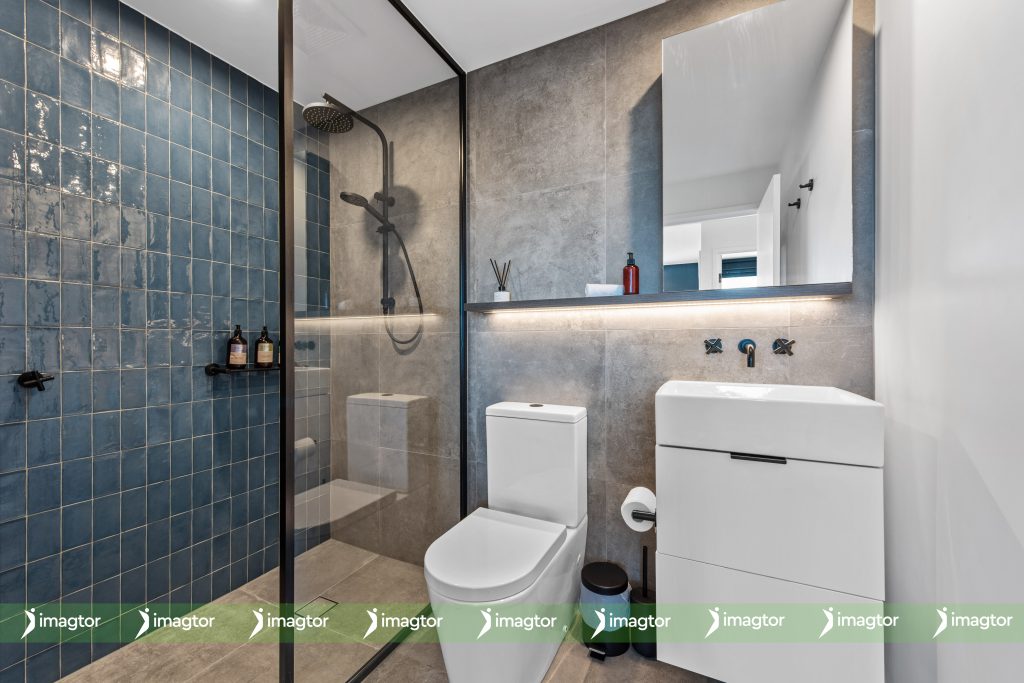
When buyers feel emotionally connected through imagery, they act faster – scheduling viewings sooner, submitting stronger offers, and forming lasting impressions that lead to conversions.
Conclusion
In an era where attention spans are short and competition is fierce, real estate photographers hold the power to move homebuyers not just visually, but emotionally. By combining technical mastery with emotional storytelling, you can help buyers see beyond walls and windows – to a place they can call home.
Bring your listings to life with beautifully edited, emotionally compelling photos. Try professional photo editing with Imagtor today and help your listings sell faster. Start your FREE TRIAL + 10% DISCOUNT now!
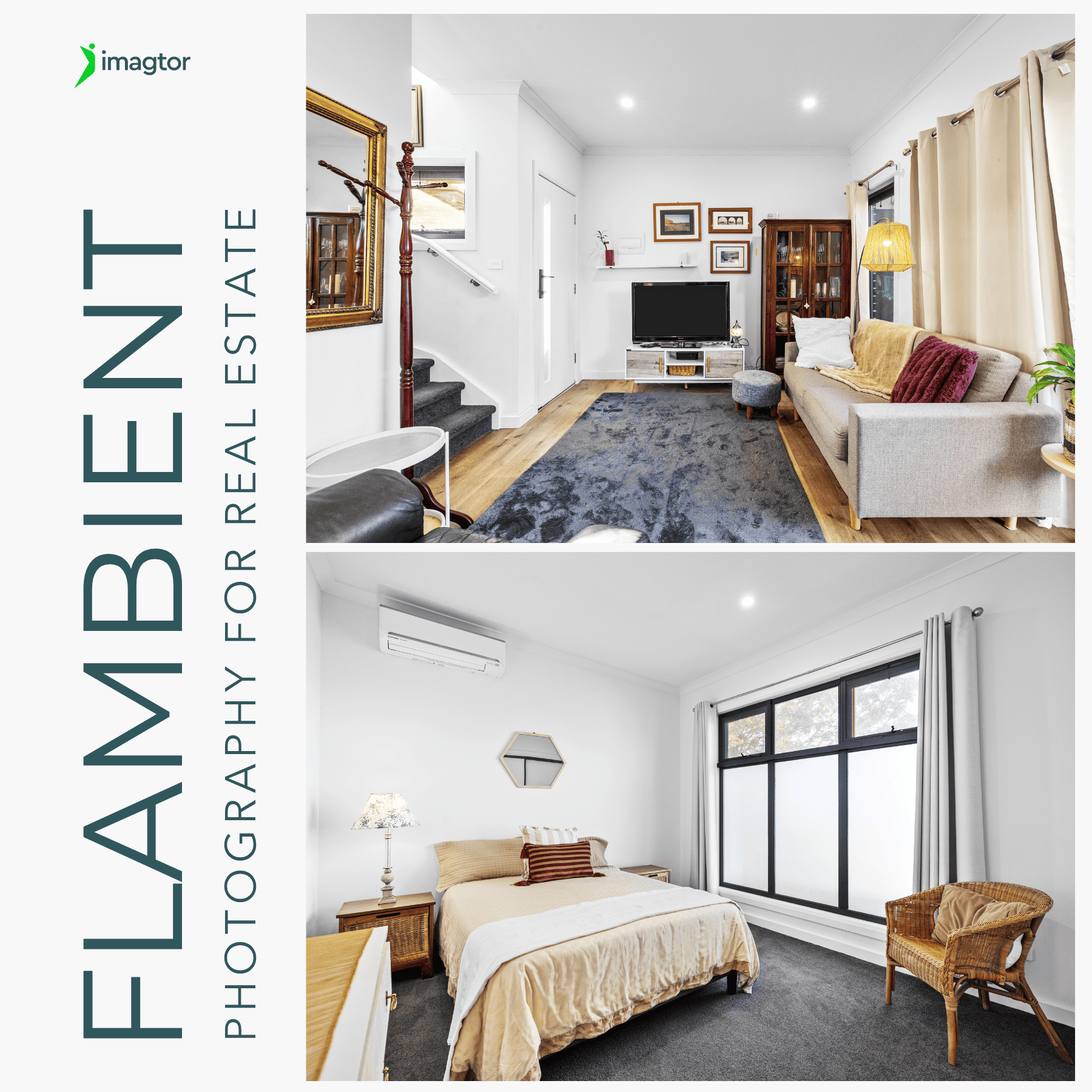
Flambient photography has become the go-to lighting technique for serious real estate photographers in 2026. It combines the natural light range of HDR with the color accuracy of flash, producing interior images that look clean, warm, and genuinely believable without the over-processed look that heavy HDR editing creates. This guide covers what flambient photography actually …

Interior real estate photo editing is where most of the work happens after a shoot. Getting exposure, color, and detail right across a full gallery is what separates listings that actually get clicks from ones that get skipped past. This guide covers the core techniques professionals use, in the order they actually matter, so every …