

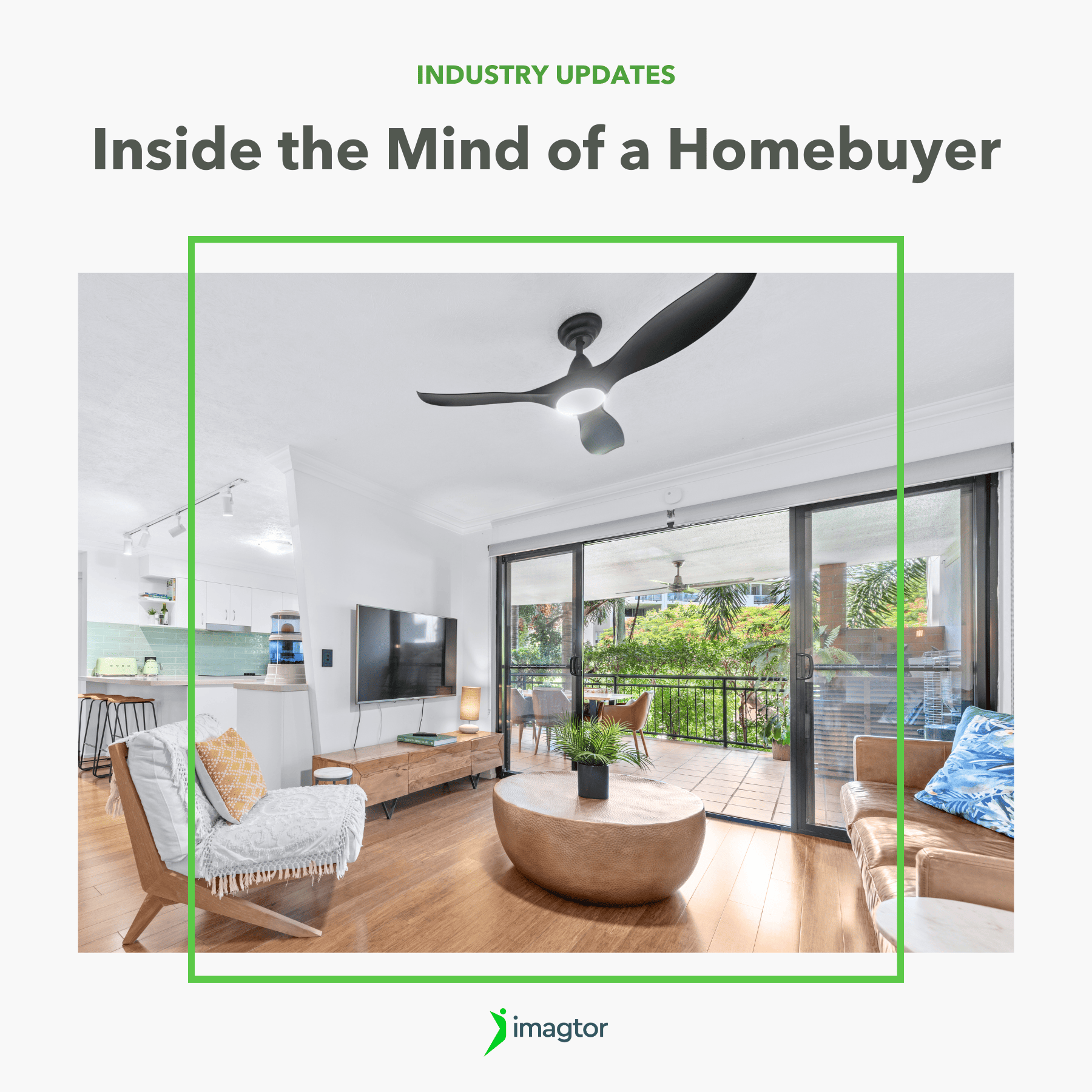
In 2025, the real estate market is more dynamic and competitive than ever. With shifting lifestyles, new technologies, and evolving buyer priorities, homebuyers today make decisions based on both logic and emotion. For real estate photographers, understanding these motivations is crucial to creating visuals that do more than capture a property. They sell a story, connect emotionally, and move buyers to act.
Explore the trends, psychology, and tools shaping how today’s homebuyers think, and how you can tailor your photography to meet their expectations.
Winning Attention in a Crowded Digital Space
Nearly 97% of homebuyers start their property search online. That means your first impression is made through a photo, not an open house. Listings with professional photography receive 61% more clicks and sell 32% faster, according to the National Association of Realtors (NAR, 2024). Homes with 20+ professional images can sell for up to $11,500 more, according to Redfin.
Tips for Real Estate Photographers:
- Shoot in high resolution (at least 300 DPI) for clarity across Zillow, Realtor.com, and Instagram.
- Match aspect ratios for each platform – 4:5 for Instagram, 16:9 for YouTube.
- Apply composition principles like the rule of thirds to draw the viewer’s eye.
- Edit lightly using Lightroom or Capture One to maintain authenticity.
Emotional Storytelling: Selling a Lifestyle, Not Just a Space
Modern homebuyers purchase aspiration, not just architecture. According to Zillow’s 2025 report, 79% of buyers say they are influenced more by how a home “feels” than its specifications. This emotional connection is where photography can make or break a sale.

Tips for Real Estate Photographers:
- Stage spaces to reflect everyday life – set a cozy breakfast table or a soft-lit reading corner.
- Highlight lived-in moments, like sunlight streaming into a home office or patio gatherings.
- Use depth of field to create intimacy and guide attention to emotional details.
- Include lifestyle props – flowers, books, coffee mugs – to suggest warmth and belonging.
Leveraging Technology: Virtual Tours, Drones, and AI Staging
Technology is transforming how homebuyers experience listings. Matterport’s 2025 report notes that virtual tours attract 87% more views, while drone imagery can speed sales by 68%.
Tips for Real Estate Photographers:
- Offer 3D tours via Matterport or EyeSpy360 to increase buyer engagement.
- Use drones (like DJI Mavic 3 Pro) for aerial perspectives showing neighborhood context.
- Integrate AI staging with tools like BoxBrownie or Virtual Staging AI for flexibility and faster turnover.
- Combine immersive tech with human emotion, virtual tours plus editorial-style photos deliver best results.
Meeting New Homebuyers Priorities: Sustainability, Flexibility, and Wellbeing
Today’s homebuyers value health, sustainability, and multi-purpose living. McKinsey’s 2025 data shows 73% of buyers want outdoor spaces and 66% prioritize energy-efficient homes.
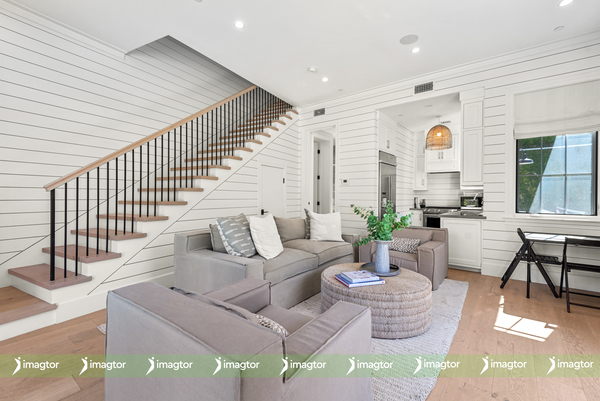
Tips for Real Estate Photographers:
- Showcase eco-features like solar panels or rainwater systems with detailed close-ups.
- Photograph flexible spaces – rooms that could serve as gyms, offices, or studios.
- Capture outdoor living areas during golden hour to enhance warmth and usability.
- Emphasize biophilic design: wood textures, plants, and natural light.
The Psychology of Value: How Photos Shape Perception
Professional imagery doesn’t just inform. It influences perceived worth. Zillow data shows bright, well-lit photos receive 24% more clicks, while VHT Studios found that homes with pro photography can sell for up to 12% above listing price.
Tips for Real Estate Photographers:
- Use natural, balanced lighting to make spaces feel open and inviting.
- Keep color palettes neutral to help buyers imagine themselves there.
- Minimize clutter and over-editing; authenticity builds trust.
- Avoid overuse of HDR or saturation, honesty in visuals wins long-term.
Social Media and Mobile: The New Front Door to Listings
A growing number of homebuyers discover properties on social media. NAR’s 2025 report shows 68% of millennials and 59% of Gen Z buyers use mobile-first platforms like Instagram and TikTok.

Tips for Real Estate Photographers:
- Create vertical (9:16) videos for reels and short-form tours.
- Use Canva or Adobe Express to add light branding overlays.
- Post carousels or before-and-after edits to demonstrate your skill.
- Follow trends in real estate hashtags to reach broader audiences.
Tools and Resources for Real Estate Photographers
Virtual tours: Matterport, Kuula, EyeSpy360
Drones: DJI Mavic 3 Pro, Autel EVO II Pro
Editing: Adobe Lightroom, Capture One, Skylum Luminar AI
Virtual staging: BoxBrownie, Virtual Staging AI, RoOomy
Social media: Canva Pro, Adobe Express, CapCut, InShot
Understanding Homebuyers to Elevate Your Craft
The best real estate photographers know that understanding homebuyers is the foundation of successful imagery. It’s not just about sharpness or composition. It’s about connection. Every photo should tell a story that aligns with a buyer’s emotions, lifestyle, and aspirations.
If you’re ready to elevate your property visuals and connect with modern homebuyers, partner with Imagtor. Our expert photo editing, virtual staging, and retouching services help you turn good photos into sales-driven stories. Start your journey today with a FREE TRIAL + 10% DISCOUNT, and see how Imagtor can help you turn every property into a visual masterpiece.

Flambient photography has become the go-to lighting technique for serious real estate photographers in 2026. It combines the natural light range of HDR with the color accuracy of flash, producing interior images that look clean, warm, and genuinely believable without the over-processed look that heavy HDR editing creates. This guide covers what flambient photography actually …

Interior real estate photo editing is where most of the work happens after a shoot. Getting exposure, color, and detail right across a full gallery is what separates listings that actually get clicks from ones that get skipped past. This guide covers the core techniques professionals use, in the order they actually matter, so every …