

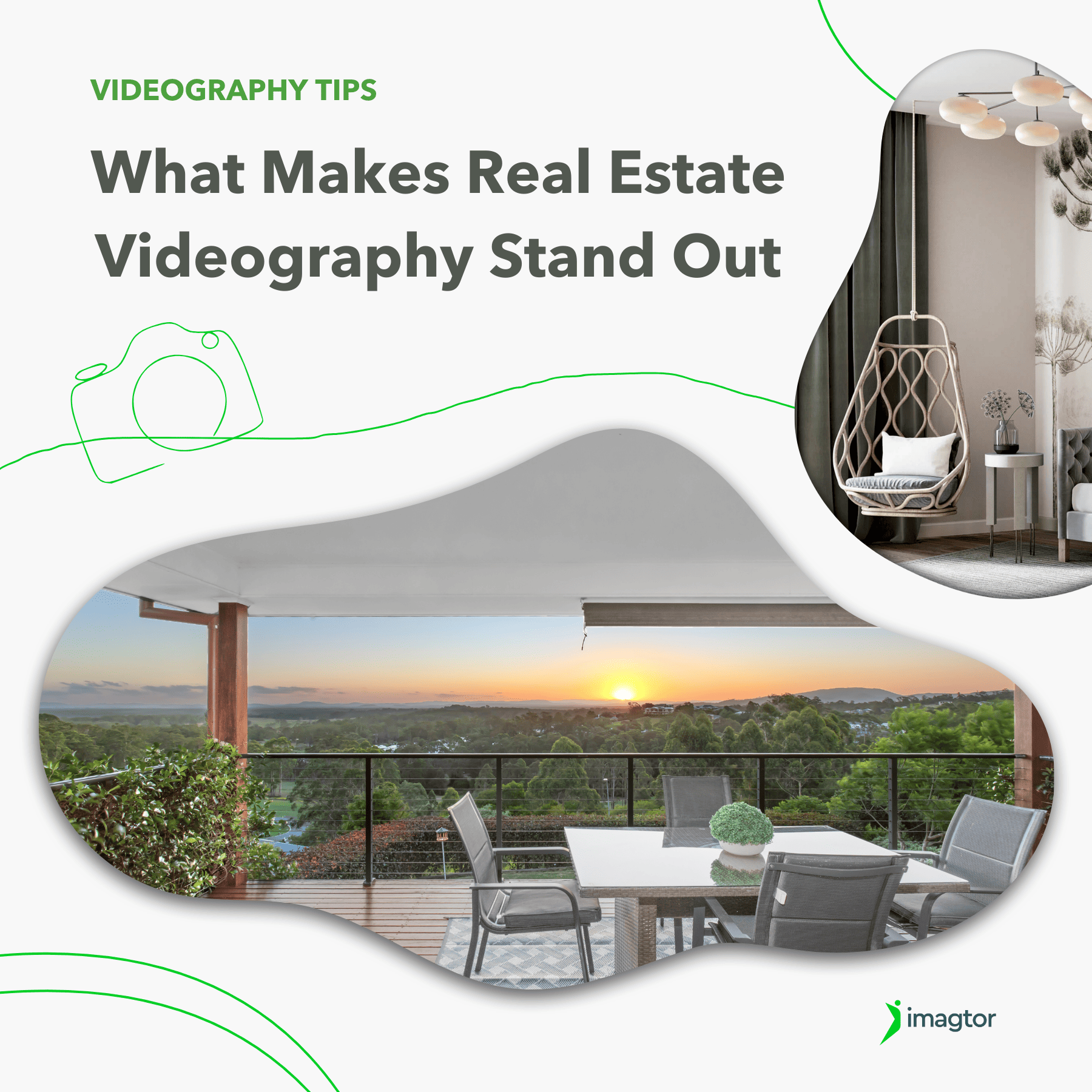
Real estate videography is not optional. Buyers expect immersive property experiences, not basic walkthrough clips. However, only well-executed real estate videography truly captures attention and builds trust. The difference lies in execution. The following elements determine whether a listing video feels average or premium.
Strong Storytelling in Real Estate Videography
Effective real estate videography begins with structure. Without a clear narrative flow, even beautiful footage can feel disconnected.
Strong storytelling includes:
- A logical sequence that mirrors a physical walkthrough
- A clear opening shot that establishes the property
- Smooth transitions between connected spaces
- A closing shot that leaves a lasting impression
Rather than randomly capturing rooms, professional real estate video production builds anticipation. For example, revealing the kitchen gradually from the dining area feels more natural than cutting abruptly between wide angles.
Additionally, standout real estate videography highlights lifestyle. A breakfast bar framed with morning light suggests daily living. A patio shot during sunset communicates relaxation. These subtle details help buyers imagine themselves in the space.
Storytelling transforms basic listing footage into compelling property video marketing.
>> Read more: How to nail real estate video editing for Reels and Shorts
Professional Camera Movement and Stabilization
Smooth camera movement is a defining characteristic of premium real estate videography. Viewers may not consciously notice perfect stabilization, but they immediately recognize when it is missing.
Professional setups typically include:
- Motorized gimbals for fluid motion
- Controlled walking pace to avoid bounce
- Tripod shots for static architectural highlights
- Slow push-ins to emphasize key features
Intentional movement matters. Slow, steady tracking shots allow viewers to absorb room dimensions. Gradual pans reveal depth without causing distraction.
On the other hand, rushed movement, sharp turns, or excessive speed ramps reduce perceived quality. Real estate videography should feel calm and confident. Controlled motion communicates professionalism and trust.
Lighting That Enhances Space and Mood
Lighting can either elevate or undermine real estate videography. Since video captures continuous motion, exposure consistency becomes even more critical than in photography.
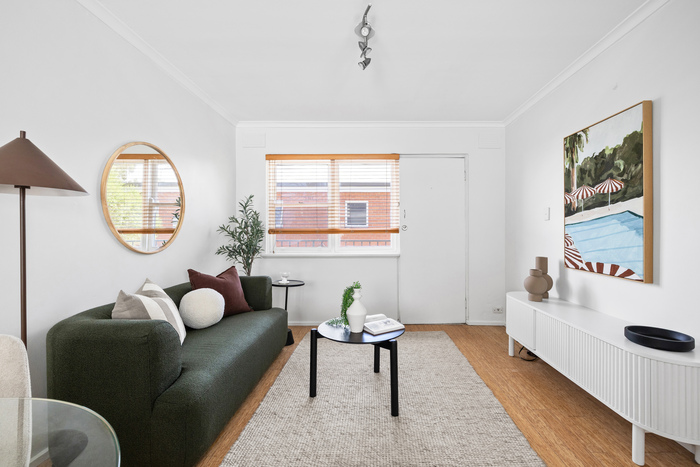
High-quality real estate videography uses:
- Balanced natural window light
- Supplemental lighting for darker corners
- Proper white balance settings
- Exposure adjustments between rooms
Windows are a common challenge. Without careful control, interiors appear dark while exterior views become blown out. Skilled real estate video production manages dynamic range so both interior details and outdoor scenery remain visible.
Lighting also shapes mood. Warm tones can enhance luxury property video campaigns, while bright neutral tones often suit contemporary homes. Consistency throughout the video ensures professionalism and cohesion.
High-Quality Audio and Background Music
While visuals lead, audio shapes emotional perception. Real estate videography with poorly chosen music feels amateur regardless of image quality.
Strong audio elements include:
- Subtle instrumental tracks
- Consistent volume levels
- Clean fade transitions
- Optional voiceover for high-end listings
Music should match property type. A modern city apartment may benefit from a light, upbeat track. A countryside estate may suit softer, ambient tones.
In luxury real estate videography, voiceover narration can reinforce key features. However, clarity and pacing are essential. Audio must support the property, not overpower it.
Strategic Drone Footage for Context
Drone videography for real estate has become a standard expectation. However, its value depends on purpose.
Effective drone use includes:
- Establishing neighborhood surroundings
- Showing lot size and landscaping
- Highlighting proximity to water, parks, or amenities
- Opening or closing cinematic sequences
Drone shots add perspective that ground footage cannot capture. They provide context and scale, especially for large estates.
That said, overusing aerial clips can dilute impact. Real estate videography should integrate drone footage strategically, maintaining balance between ground-level storytelling and aerial overview.
Editing and Pacing That Maintain Attention
Raw footage does not define real estate videography. Editing determines final impact.
Professional real estate video editing focuses on:
- Optimal length, typically 60 to 120 seconds
- Smooth, invisible transitions
- Logical room progression
- Consistent clip duration
Online audiences have limited attention spans. Therefore, concise pacing improves engagement. Each shot should contribute meaningful visual information.
Over-editing is a common mistake. Heavy visual effects, dramatic zooms, and flashy transitions often distract from property details. Instead, clean editing supports clarity.
Strategic pacing ensures real estate videography remains dynamic without feeling rushed
Color Grading and Visual Consistency
Color grading unifies footage captured in different lighting conditions. Without correction, rooms may appear inconsistent or uneven.
Professional real estate videography applies:
- Balanced exposure correction
- Neutral color temperature adjustments
- Accurate representation of materials and finishes
- Subtle contrast enhancements
Buyers expect realism. While cinematic tones are acceptable, extreme filters reduce trust.
Consistent grading strengthens brand identity across multiple real estate listing videos. It ensures each production aligns with a professional standard.
Branding and Personalization
Real estate videography also serves long-term marketing goals. Subtle branding enhances recognition without overshadowing the property.
Effective branding includes:
- Clean logo intro
- Simple lower-third text for agent details
- Professional outro with contact information
- Consistent typography and layout
Luxury property video campaigns often rely heavily on brand consistency. However, restraint is key. The property should remain central.
When branding integrates seamlessly, real estate video production becomes a repeatable asset rather than a one-time tool.
Platform Optimization for Modern Marketing
Real estate videography must adapt to multiple distribution channels.
Key considerations include:
- Horizontal format for websites and YouTube
- Vertical versions for short-form platforms
- Short teaser clips for social media ads
- Mobile-optimized visuals and text sizing
Since many buyers browse listings on smartphones, mobile clarity is critical. Planning for multiple formats during production improves efficiency and reach.
Real estate marketing trends increasingly favor adaptable content strategies.
Common Mistakes That Reduce Impact
Even well-shot footage can fail due to avoidable errors.
Common issues include:
- Videos that exceed attention span limits
- Excessive speed ramps
- Uneven lighting between rooms
- Poor audio selection
- Weak opening shots
- Lack of narrative structure
Real estate videography should prioritize clarity and viewer comfort. Discipline in planning and editing prevents these mistakes.
>> Read more: Real Estate Videography: Cameras, Settings, and AI Tools
Elevating Real Estate Videography in 2026
Real estate videography stands out when every element works together. Storytelling, smooth camera movement, balanced lighting, thoughtful editing, and strategic marketing all contribute to success.
Technology continues to improve. However, fundamentals remain timeless. Buyers respond to clarity, authenticity, and emotional connection. As competition grows, investing in professional real estate video production and high-quality real estate video editing will increasingly determine which listings capture attention.
When executed properly, real estate videography does more than showcase a property. It elevates perception, strengthens branding, and drives results.
Strong real estate videography starts in production. However, professional editing is what transforms good footage into a polished, market-ready listing video. If you want smoother pacing, balanced lighting, clean color grading, and consistent branding across every property, Imagtor is ready to support your workflow with reliable turnaround and scalable quality. Start now with FREE TRIAL + 10% DISCOUNT.
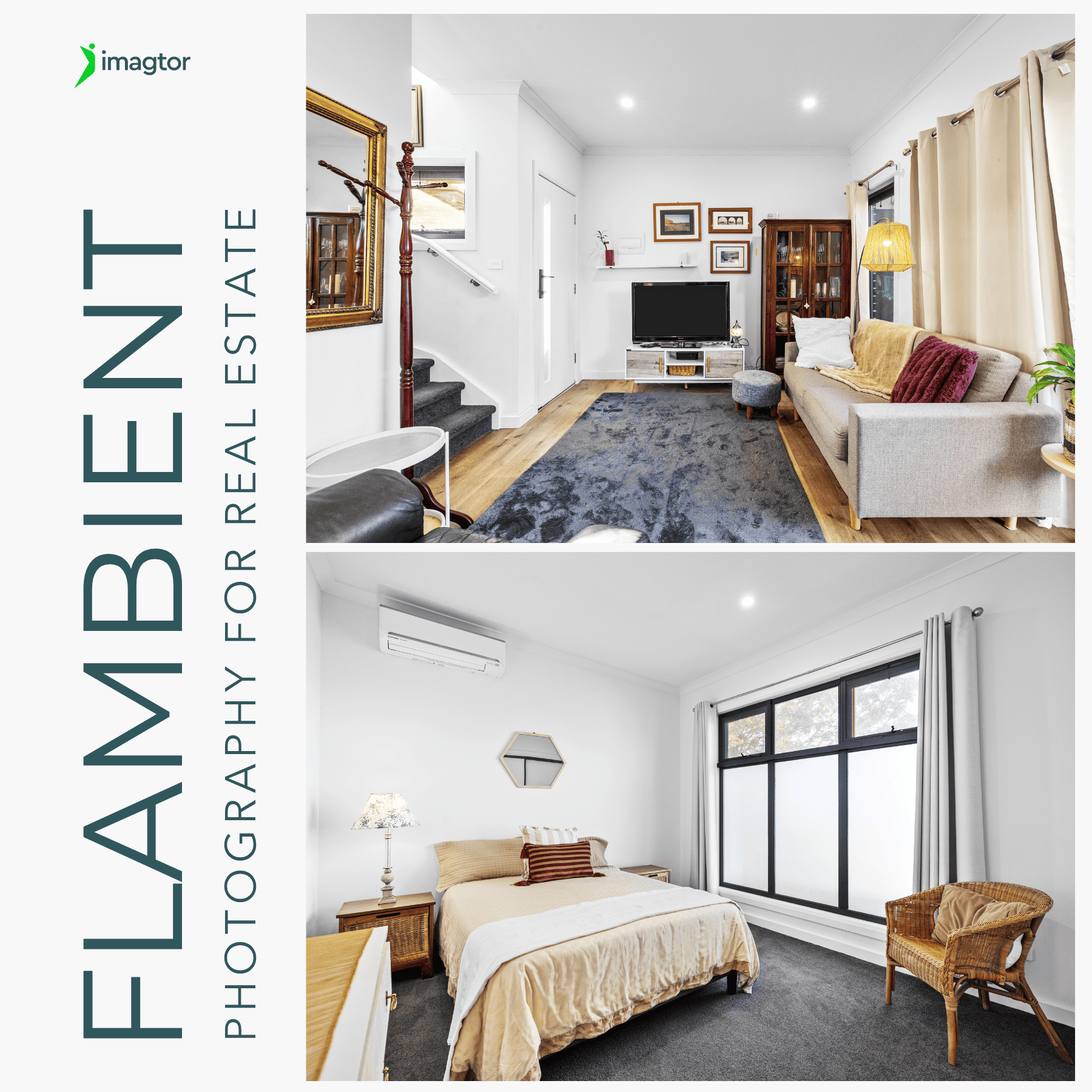
Flambient photography has become the go-to lighting technique for serious real estate photographers in 2026. It combines the natural light range of HDR with the color accuracy of flash, producing interior images that look clean, warm, and genuinely believable without the over-processed look that heavy HDR editing creates. This guide covers what flambient photography actually …
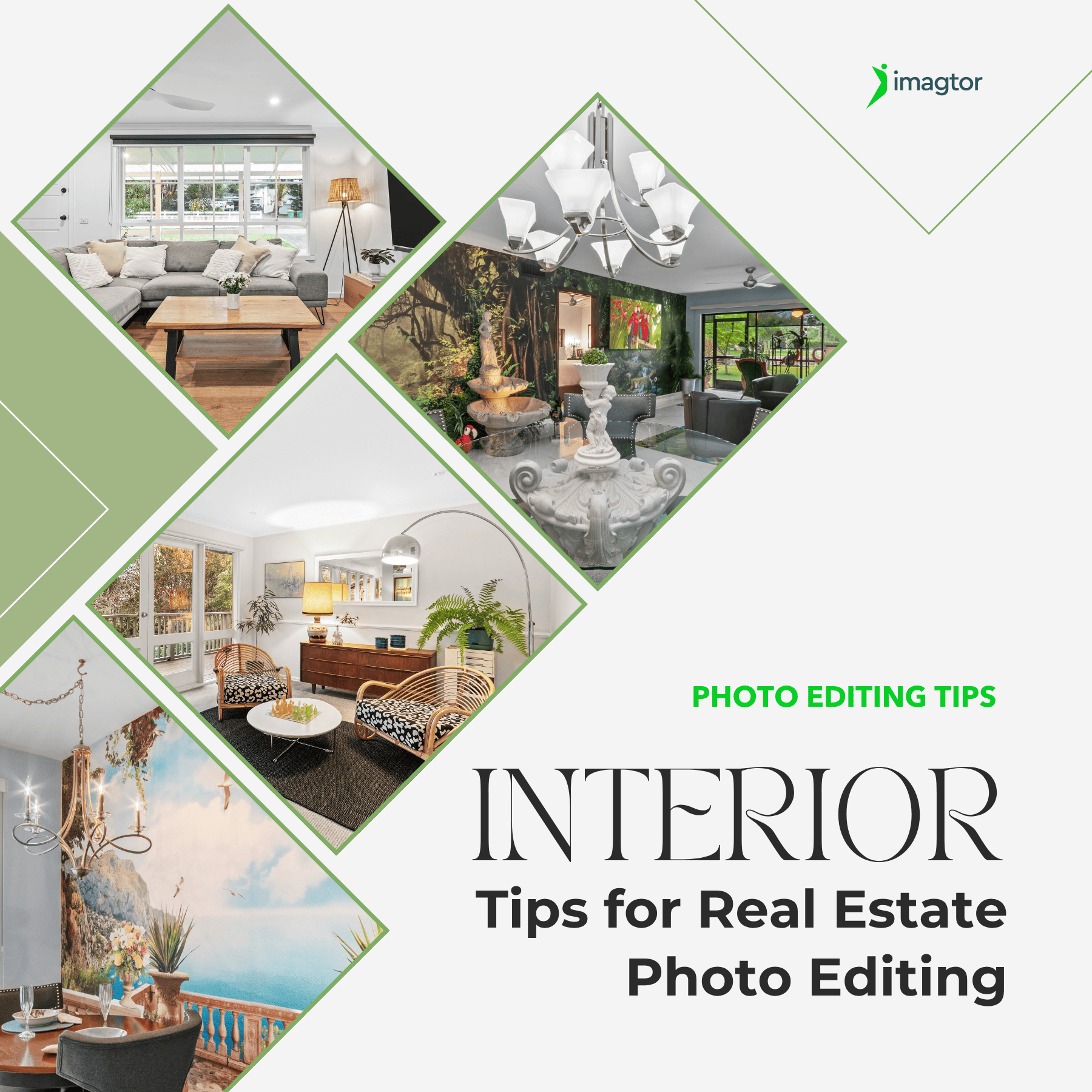
Interior real estate photo editing is where most of the work happens after a shoot. Getting exposure, color, and detail right across a full gallery is what separates listings that actually get clicks from ones that get skipped past. This guide covers the core techniques professionals use, in the order they actually matter, so every …