
Real Estate Videography: Cameras, Settings, and AI Tools

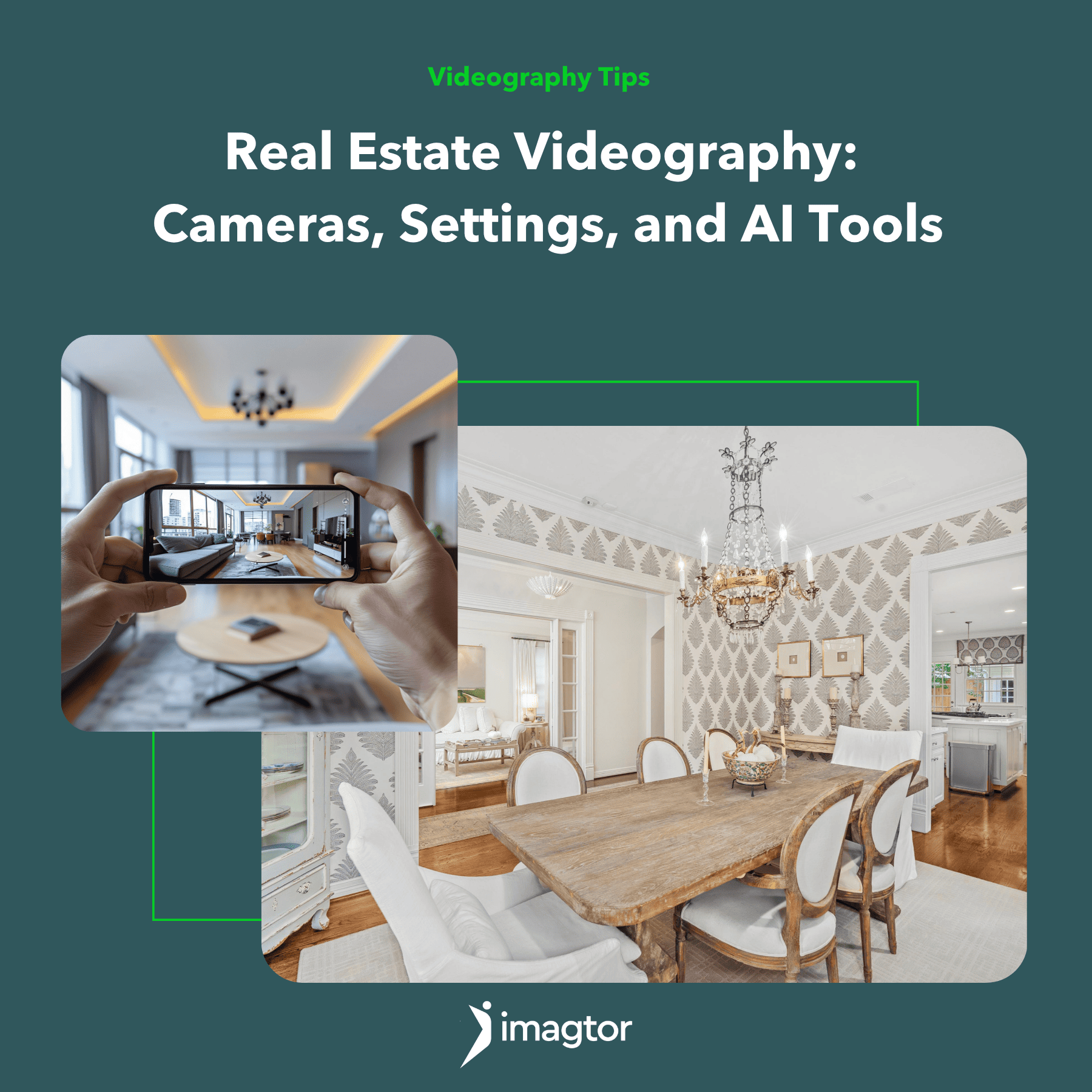
In today’s property market, real estate videography is more than a creative choice. It’s a competitive necessity. Videos allow potential buyers to visualize every corner, flow, and feeling of a property before stepping inside. For photographers, mastering the technical side of property videography, from cameras to post-production, can elevate your portfolio and attract high-end clients.
The Rise of Real Estate Videography
Over 80% of home buyers now prefer listings with video tours, and according to the National Association of Realtors, listings featuring video receive 403% more inquiries than those without. Real estate agents are also 73% more likely to choose photographers who provide both stills and videos, seeing them as full-service partners.
This shift isn’t just about aesthetics. Real estate videography builds emotional connection. A well-shot walkthrough lets viewers imagine themselves living there – capturing not just the layout, but the lifestyle.
Essential Cameras for Real Estate Videography
Choosing the right camera is the foundation of quality real estate videography. While most modern mirrorless cameras can record in 4K, certain models deliver superior performance for interior lighting, wide shots, and color depth.
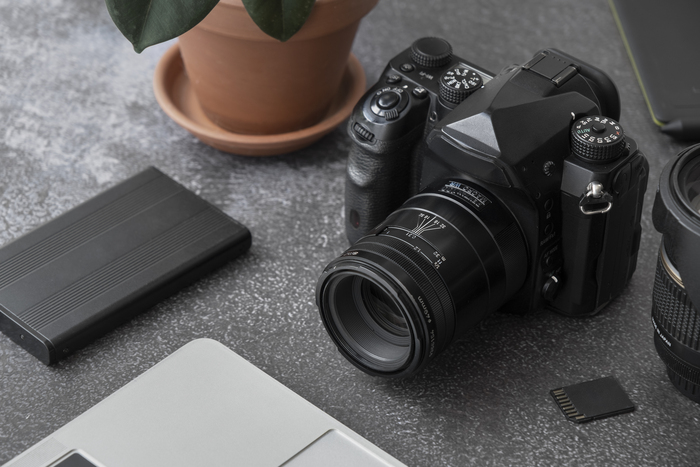
Sony A7 IV
The Sony A7 IV stands as one of the most versatile full-frame cameras in the market. With a 33MP sensor, 4K 60fps recording, and 15 stops of dynamic range, it excels in both bright exteriors and low-lit interiors. The A7 IV’s reliable autofocus tracking ensures smooth transitions during walkthrough shots, while its compact size allows easy use on gimbals like the DJI Ronin-SC.
- Price: around $2,500 (body only)
- Ideal for: interior and exterior tours, HDR real estate videography
Canon EOS R6 Mark II
Canon’s color science makes this camera a favorite among property videographers. It features 6K RAW recording, advanced Dual Pixel CMOS AF II, and excellent in-body image stabilization. Whether handheld or mounted, the R6 Mark II produces cinematic, stable footage.
- Price: around $2,400
- Ideal for: handheld shoots and natural-light interiors
Blackmagic Pocket Cinema Camera 6K
For professionals seeking a cinematic look, the Blackmagic 6K offers 13 stops of dynamic range and RAW recording for ultimate post-production control. While it requires more setup, it’s ideal for luxury property showcases or agency promos.
- Price: around $2,000
- Ideal for: high-end real estate videography, cinematic projects
DJI Pocket 3
This pocket-sized powerhouse has a 1-inch CMOS sensor and shoots 4K 120fps. Its built-in gimbal delivers stable footage even while walking through narrow hallways. It’s perfect for quick walkthroughs or behind-the-scenes clips for social media.
- Price: around $600
- Ideal for: compact, on-the-go property videos
Tip: For best results, match your camera setup with consistent white balance and use a neutral picture profile. It allows better flexibility during color grading later.
Ideal Settings and Equipment Setup
Even the best camera can’t produce stunning results without the right configuration. The following technical settings and tools ensure your real estate videography achieves professional consistency.
Video Resolution and Frame Rate
Shoot in 4K resolution whenever possible. It provides sharper detail and future-proofs your videos for modern displays.
- Frame rate: 60fps for smooth motion, especially for walkthroughs
- Bitrate: 100Mbps or higher for preserving detail
- Shutter speed: follow the 180-degree rule; for 60fps, set shutter at 1/120
Lenses for Property Videography
- Wide-angle (16–35mm f/4): perfect for interiors, capturing full room dimensions
- Standard zoom (24–70mm f/2.8): for exterior facades and architectural details
- Prime lens (35mm or 50mm): great for cinematic b-rolls and lifestyle sequences
Wide lenses give a natural sense of space, but avoid extreme distortion by keeping shots level and balanced.
>>> Read more: Best Lenses for Real Estate Photography: Wide-Angle & Detail Shots
Stabilization
Smooth motion defines professional property videography. Handheld wobble instantly reduces perceived quality.
- Gimbals: DJI Ronin-SC, Zhiyun Weebill 3, or RS 3 Mini provide reliable balance for mirrorless setups.
- Tripods: use fluid heads like Manfrotto 502AH for smooth pans and tilts.
- Slider: optional, but adds cinematic motion to static scenes.
Lighting Setup
Natural light should be your main source. Record during daylight, ideally mid-morning or late afternoon when soft light enters interiors.
- Add LED panels like Aputure Amaran 60d or Godox SL60W to fill shadows gently.
- Use softboxes or reflectors for even illumination and highlight textures like wood or marble.
Audio Equipment
While many property videos use music overlays, good audio adds immersion, especially when including agent introductions.
- Shotgun mic: Rode VideoMic Pro+ or Deity V-Mic D3 Pro for crisp narration.
- Lavalier mic: Rode Wireless GO II for agent commentary during walkthroughs.
Post-Production and Video Editing Software
The magic often happens in post. Editors refine footage, balance exposure, and create storytelling flow.
- Adobe Premiere Pro: industry standard for real estate videography, offering detailed control over color correction and transitions.
- DaVinci Resolve: best for professional color grading, especially for interiors with mixed lighting.
- Final Cut Pro: seamless workflow for Apple users. Great for quick-turnaround property reels.
- CapCut Pro or Filmora: useful for creating social media teasers or slideshow-style previews.
Editing tip: use LUTs (Look-Up Tables) for consistent branding, and always export at 4K 60fps for top-tier streaming quality.
AI Tools Revolutionizing Property Videography
AI has entered real estate videography, simplifying post-production and content creation. Tools like Runway ML, Pika Labs and Imagtor’s AI photo-to-video conversion help photographers repurpose still photos into smooth video tours. This saves enormous time and boosts productivity.
- AI stabilization removes camera shake automatically
- AI color correction enhances brightness and contrast without manual tuning
- AI scene generation turns 2D photos into 3D movement for slideshow-style videos
According to a 2025 industry survey, AI-assisted editing reduces turnaround time by up to 60%, allowing creators to handle more clients efficiently.
How Editors Enhance Real Estate Videography
Professional editors polish every clip for consistency and impact:
- Color grading for natural whites and warm tones
- Sky replacement and window view enhancement
- Logo animations or branding overlays for agents
- Smooth pacing and musical synchronization
Partnering with Imagtor ensures your property videos maintain cinematic quality while meeting quick turnaround deadlines.
Conclusion
Mastering real estate videography requires the right blend of equipment, settings, and post-production finesse. By choosing reliable cameras, stabilizing your shots, and using AI-powered tools, you can create property videos that impress clients and inspire buyers.
Partner with Imagtor to take your videography to the next level. From precision editing to AI-driven photo-to-video conversion, our team helps you deliver cinematic property tours efficiently. Start today with a FREE TRIAL and 10% DISCOUNT on your first order!
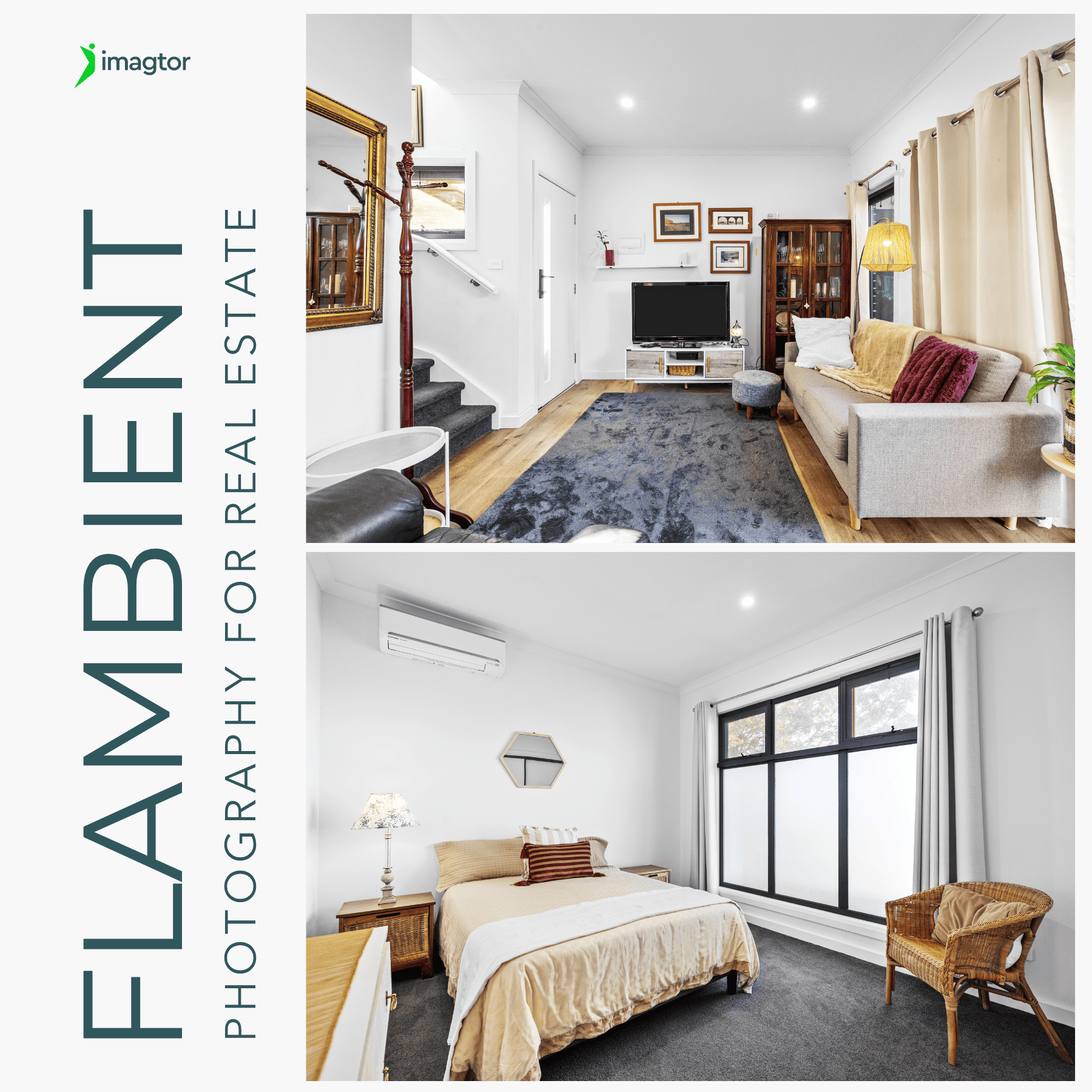
Flambient photography has become the go-to lighting technique for serious real estate photographers in 2026. It combines the natural light range of HDR with the color accuracy of flash, producing interior images that look clean, warm, and genuinely believable without the over-processed look that heavy HDR editing creates. This guide covers what flambient photography actually …
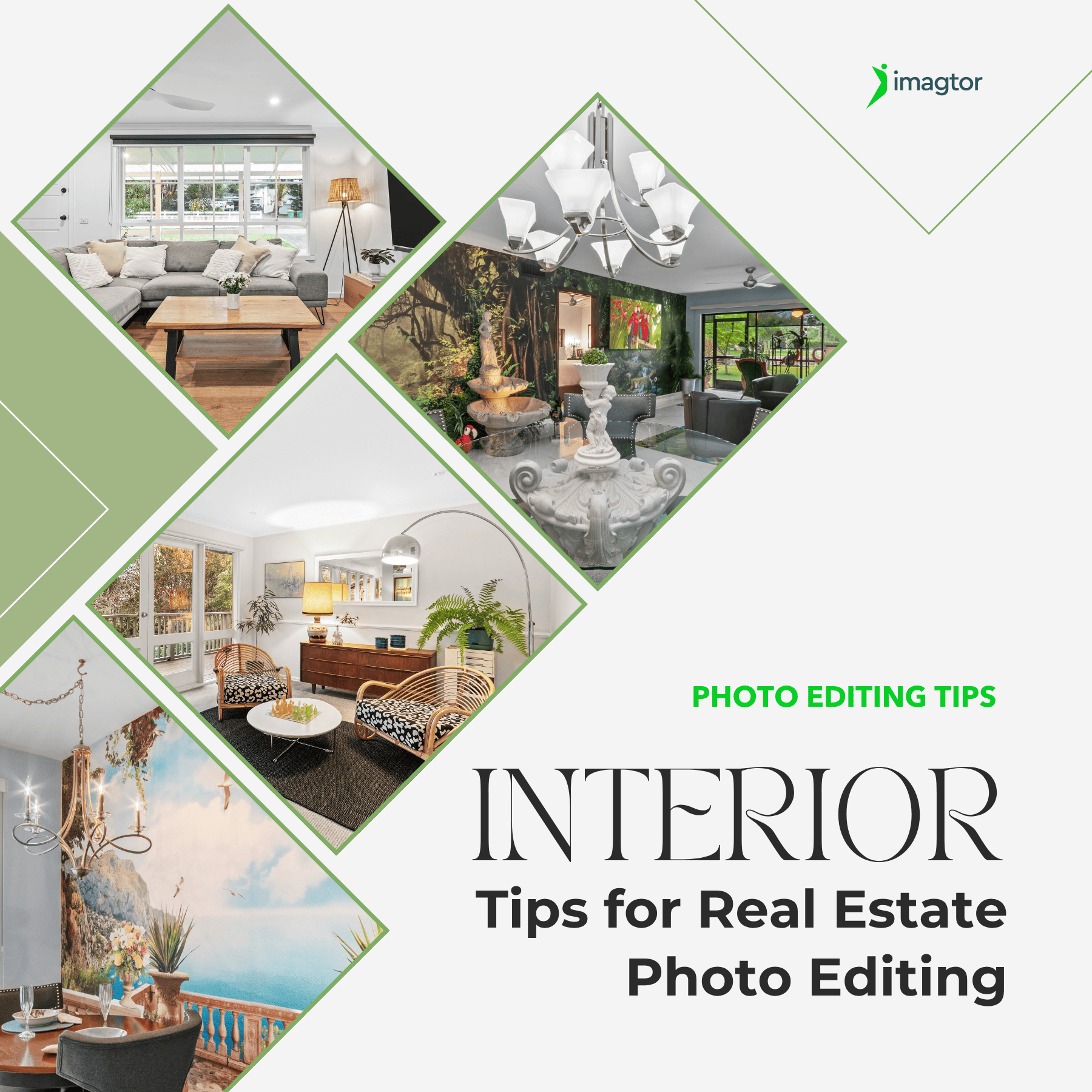
Interior real estate photo editing is where most of the work happens after a shoot. Getting exposure, color, and detail right across a full gallery is what separates listings that actually get clicks from ones that get skipped past. This guide covers the core techniques professionals use, in the order they actually matter, so every …