

Real estate photographers play a critical role in shaping first impressions of properties. Every image is a marketing tool that influences buyer interest. High-quality real estate photography depends not just on shooting skills but also on precise photo editing. Even experienced professionals make editing mistakes that affect brightness, color, or alignment. Learning to recognize and correct these errors helps photographers deliver consistent results and grow their business.
1. Overexposure and Underexposure
Exposure errors are among the most common mistakes real estate photographers make. Overexposed windows wash out details, while underexposed corners make rooms look smaller. The goal of property photography is to maintain natural lighting that reflects real conditions. Use the histogram to guide exposure levels, adjust highlights and shadows, and recover lost details. Balanced lighting creates images that feel bright, spacious, and inviting.
2. Over-Saturation of Colors
Vibrant colors can attract attention, but overdoing saturation creates unrealistic results. Real estate photographers often boost colors too much in post-processing, which can turn grass neon or walls unnaturally warm. The best real estate photo editing keeps colors true to life. Use the HSL panel to adjust specific tones and compare them with neutral surfaces like ceilings or flooring. Natural colors create trust and make listings look genuine.
3. Unbalanced White Levels
White balance directly affects how a property feels. Too warm can make rooms look yellow. Too cool can make them look dull. Professional real estate photographers must keep white levels consistent across every image in a listing. This ensures the property feels cohesive. Adjust temperature and tint carefully, or apply synchronized edits for batch corrections. Consistency communicates professionalism.
4. Ignoring Vertical and Horizontal Lines
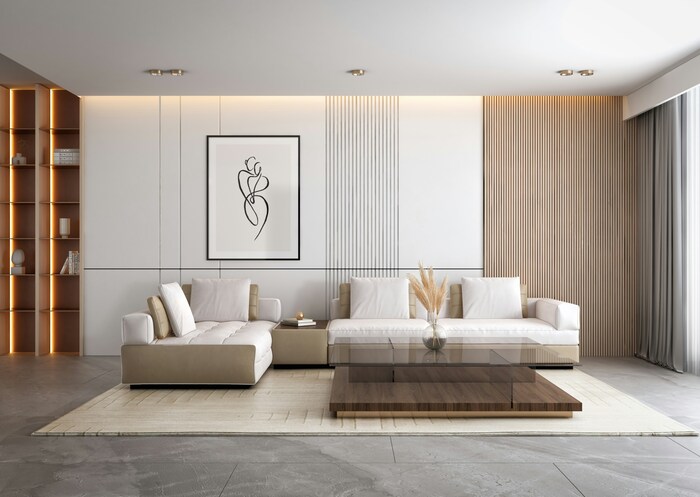
Distorted lines are a major issue in real estate photography. Leaning walls or tilted doors can confuse the viewer’s sense of space. Wide-angle lenses can exaggerate this problem. Real estate photographers should always check perspective and use correction tools like Guided Upright in Lightroom or Transform in Photoshop. Straight lines create balance and symmetry, helping each space look clean and accurately proportioned.
5. Harsh HDR Processing
HDR can bring out dynamic range, but too much of it looks artificial. Over-processed HDR often flattens textures or creates glowing edges around windows. Property photographers should blend exposures carefully and adjust opacity layers for a smooth finish. Natural HDR reveals both light and shadow without losing realism. It’s about enhancing detail, not overexaggerating it.
6. Poor Window Masking
Windows can be tricky to edit. Many real estate photographers either leave them too bright or too dark. Proper window masking helps balance interior and exterior lighting. Use layer masks and luminosity adjustments to keep brightness even. Clean window editing lets viewers see both inside and outside clearly, which improves overall property presentation.
7. Overuse of Clarity and Texture
Over-editing can ruin the natural appeal of interiors. Increasing clarity or texture too much makes walls and fabrics look rough. Real estate photographers should apply these adjustments selectively. Use small increments to enhance wood, fabric, and furniture textures while maintaining softness. Balanced detail helps property photography look elegant and polished.
8. Inconsistent Color Correction Across Shots
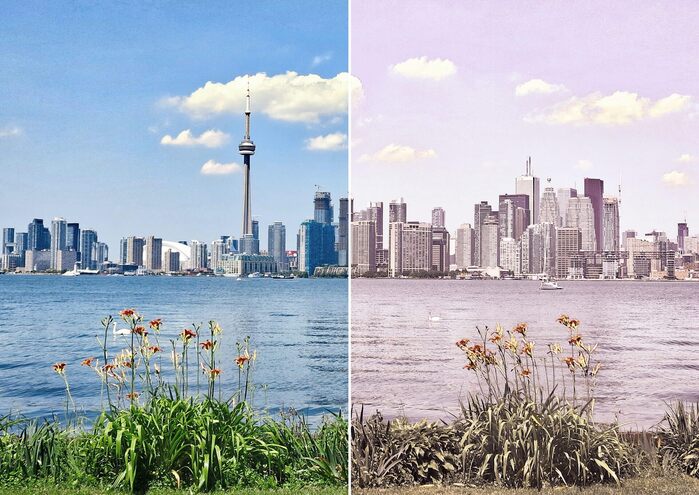
Every listing should tell a visual story. When each photo has different brightness or tone, it breaks that flow. Professional real estate photographers ensure that all photos in a set have consistent exposure, color, and white balance. Create presets in Lightroom or save adjustment profiles for specific lighting conditions. Consistency is what separates amateur galleries from professional portfolios.
9. Forgetting to Remove Distractions
Unwanted objects can pull attention away from a property’s best features. Power cords, reflections, or random clutter can spoil otherwise perfect compositions. Real estate photographers should always perform final cleanup during photo editing. Tools like Clone Stamp and Healing Brush in Photoshop make it easy. Removing distractions ensures focus remains on the property’s space and design.
10. Skipping Professional Outsourcing
Editing is time-intensive, especially for high-volume shoots. Many real estate photographers struggle to spend more time in post-production than behind the camera. Therefore, outsourcing real estate photo editing to professionals allows you to save hours while improving quality. It ensures your brand maintains consistency, accuracy, and quick turnaround.
Partnering with expert editors such as Imagtor gives property photographers access to specialists skilled in perspective correction, color adjustment, and advanced retouching. Outsourcing doesn’t mean losing creative control. Instead, it strengthens your workflow and lets you focus on growing your business.
Why Outsourcing Helps Real Estate Photographers Scale
As demand for professional real estate photography grows, deadlines get tighter. Clients expect edited images within 24 to 48 hours. Handling every step manually can lead to burnout. Outsourcing streamlines the process and ensures a consistent, reliable output.
According to a 2024 real estate media survey, over 67% of real estate photographers outsource at least part of their editing. They report a 40% faster turnaround and higher client retention. With a trusted partner like Imagtor, you gain a professional team for every project – from standard photo editing and decluttering to high-end services such as virtual staging, day-to-dusk conversions, and AI-powered video tours.
Imagtor delivers precision and speed while maintaining your unique visual style. That combination helps your business scale without compromising quality.
Final Thoughts
Being a successful real estate photographer requires both creative and technical skill. Avoiding common photo editing mistakes ensures every image reflects your professionalism and attention to detail. Perfect alignment, balanced exposure, and realistic color correction all contribute to powerful visuals that sell homes faster. And when your workload grows, outsourcing to Imagtor ensures you meet deadlines, deliver exceptional results, and keep clients satisfied.
Let Imagtor take care of your real estate photo editing, so you can focus on shooting properties and expanding your business. Our professional team handles everything – from exposure correction and clutter removal to virtual renovation and AI-powered video tours. Start your FREE TRIAL and get 10% DISCOUNT on your first order today. Experience faster delivery and flawless results with Imagtor.
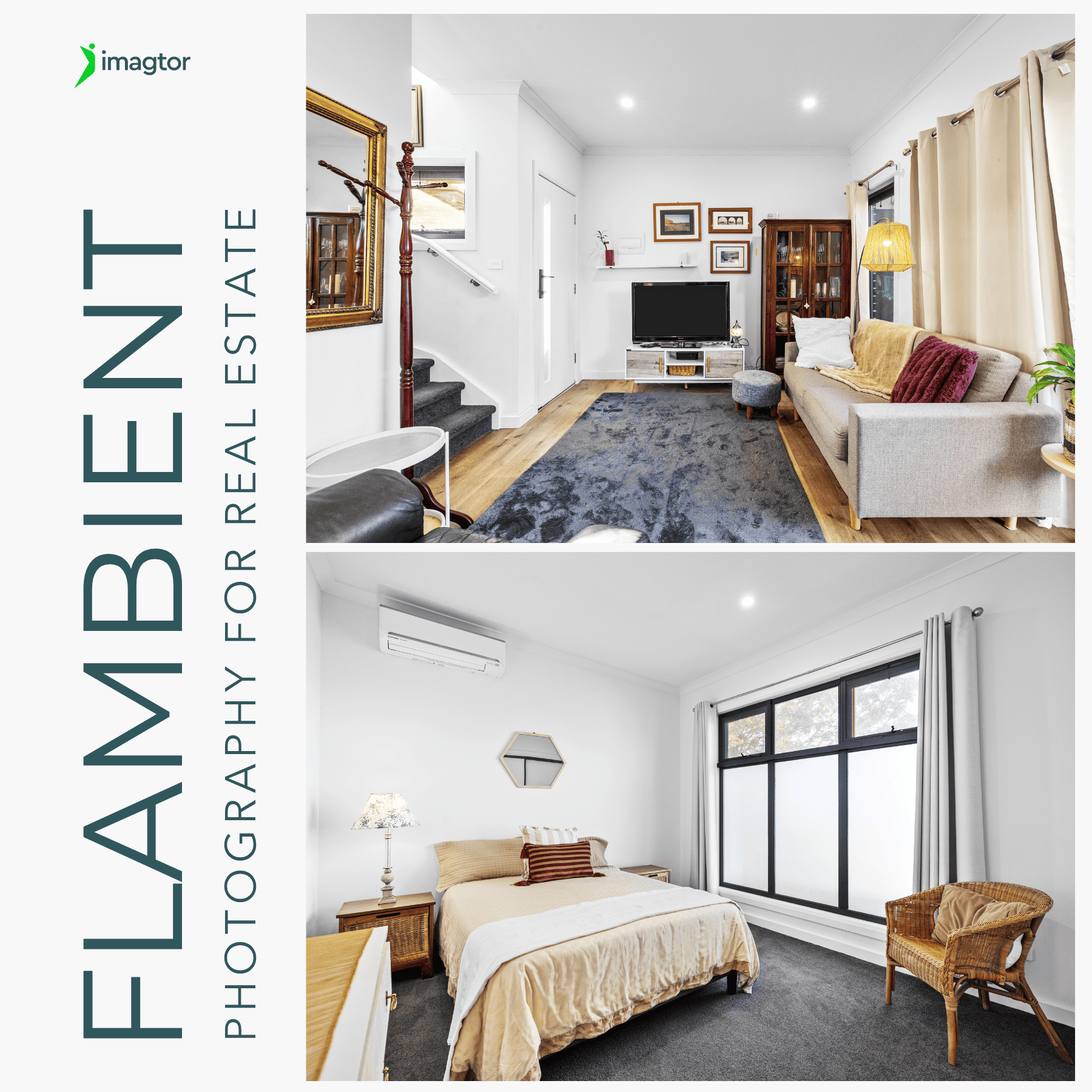
Flambient photography has become the go-to lighting technique for serious real estate photographers in 2026. It combines the natural light range of HDR with the color accuracy of flash, producing interior images that look clean, warm, and genuinely believable without the over-processed look that heavy HDR editing creates. This guide covers what flambient photography actually …
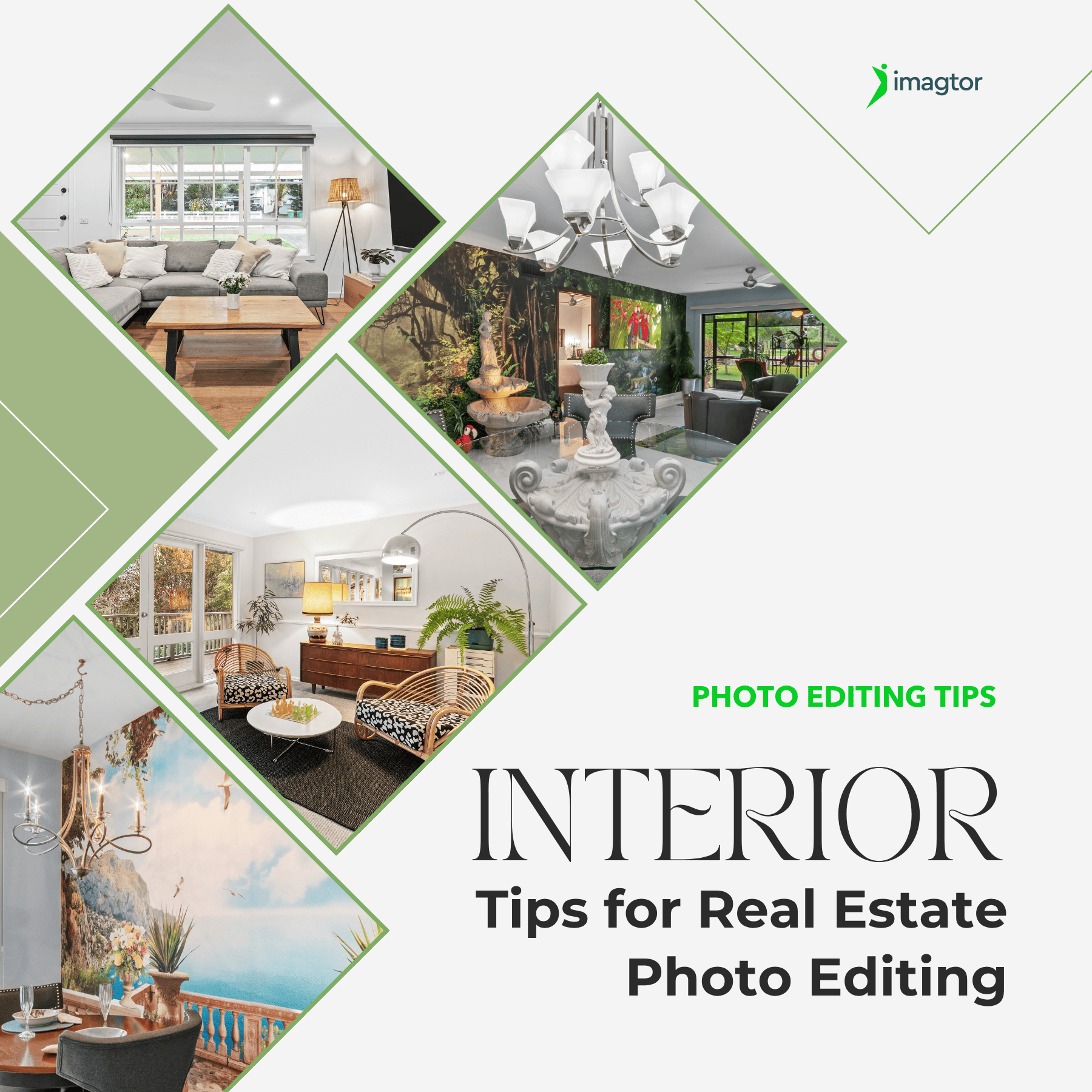
Interior real estate photo editing is where most of the work happens after a shoot. Getting exposure, color, and detail right across a full gallery is what separates listings that actually get clicks from ones that get skipped past. This guide covers the core techniques professionals use, in the order they actually matter, so every …