

Real estate photographers do more than just take pictures of houses. Their work combines technical skill, artistic vision, and insight into what attracts buyers and satisfies agents. As the property market continues to evolve – especially with the rise of luxury and high-end listings, every real estate photographer needs to stay sharp, refine their craft, and keep pace with the latest industry trends.
1. Mastering Camera Settings and Equipment
At the core of real estate photography is the camera itself. The ability to confidently adjust settings and use the right gear directly affects the quality of your images. Real estate photos often involve wide spaces, tricky lighting, and the need for sharp detail throughout the frame.
Key settings for real estate photographers:
- Aperture (f/8–f/11): Ensures depth of field and sharp focus across the room.
- Shutter speed (1/60s or slower indoors): Captures more light but requires a tripod to avoid blur.
- ISO (100–400): Keeps images clean with minimal noise; use a tripod or lights instead of pushing ISO too high.
Pro Tip: Use bracketed exposures for HDR photography to balance bright windows with darker interiors.
Essential gear for real estate photographers:
- Wide-angle lens (14–24mm full-frame): Captures more of the room without distortion.
- Sturdy tripod: Guarantees stability for sharp indoor and twilight shots.
- External lighting (LED panels, flashes): Balances shadows and improves dark interiors.
Skilled real estate photographers know how to combine gear and technique to produce images that sell.
2. Perfecting Composition and Framing
Composition is what makes photos stand out. In real estate photography, it guides buyers’ eyes through the space and highlights the property’s best features.
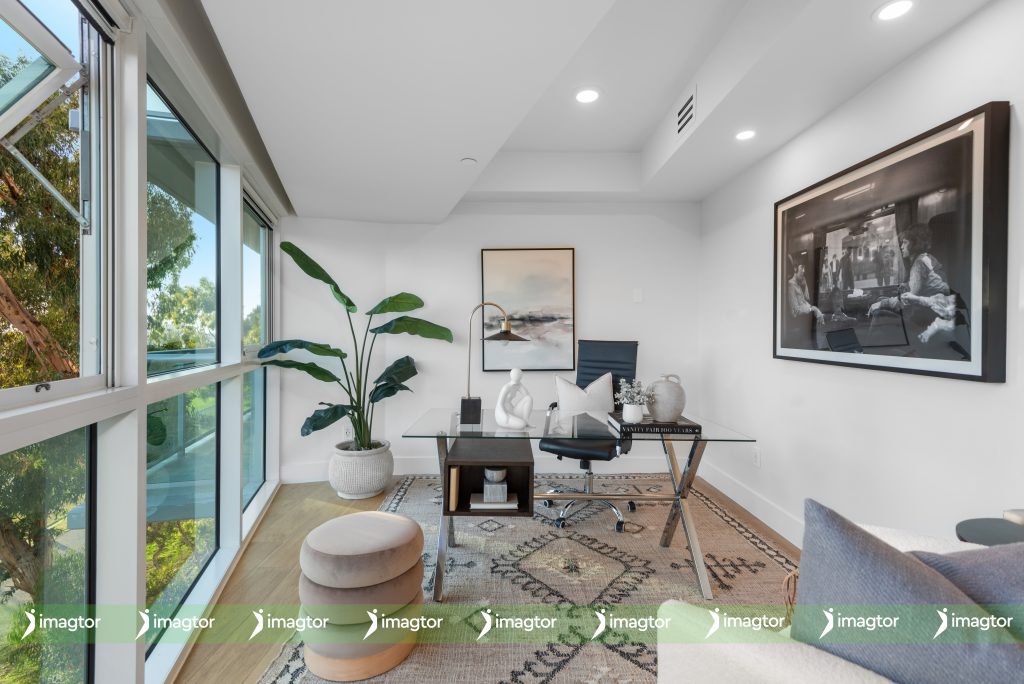
Techniques to improve composition:
- Rule of thirds: Align key elements along grid lines for balanced, dynamic images.
- Leading lines: Use hallways, windows, or furniture to draw viewers into the frame.
- Symmetry: Balanced shots enhance exteriors, kitchens, and architectural details.
- Declutter: A tidy room looks more spacious and welcoming.
Pro Tip: Shoot from the corners of rooms to capture depth and multiple features in a single frame. This helps buyers visualize the layout and flow of the property.
A well-framed photo doesn’t just document a room. It inspires buyers to imagine themselves living there.
>>> Read more: Mastering Composition in Real Estate Photography
3. Mastering Lighting Techniques
Lighting can make or break a real estate photo. A top real estate photographer understands how to balance natural and artificial light for bright, inviting images.
Lighting strategies:
- Natural light: Shoot interiors during the day and exteriors in the morning or late afternoon for softer shadows.
- Windows: Use HDR techniques to balance bright exteriors with darker interiors.
- Artificial light: Use softbox or LED lighting to fill dark spaces naturally.
- Twilight photography: Capture exteriors at dusk to showcase both glowing interiors and dramatic skies.
Pro Tip: Always check white balance, especially at night, to avoid unnatural yellow or blue tones.
Lighting isn’t just technical. It creates moods and atmosphere that makes buyers want to step inside.
>>> Read more: How to Highlight Property Details for Stunning Real Estate Photos
4. Understanding Market Trends and Client Needs
Successful real estate photographers do more than capture great images. They understand the market. Every property type demands a slightly different approach.
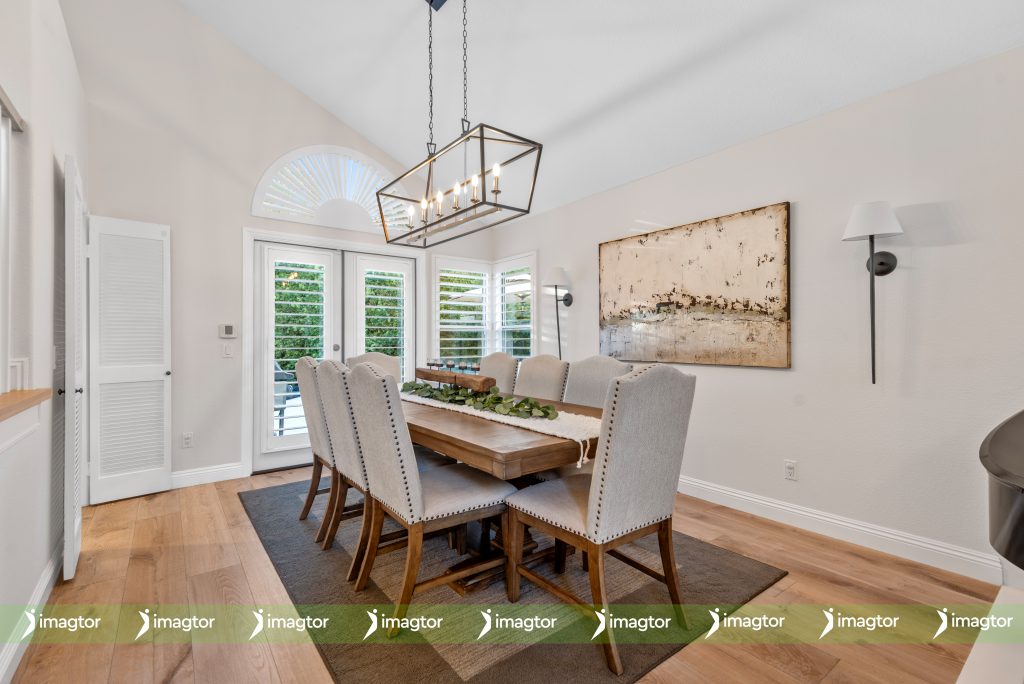
For example:
- Luxury properties: Highlight grand spaces, architectural details, and amenities.
- Commercial real estate: Showcase layout, functionality, and professional spaces.
- Vacation rentals/Airbnb: Focus on warmth, comfort, and lifestyle appeal.
Pro Tip: Ask clients what features they want emphasized. Tailoring your shots to client goals strengthens trust and increases repeat business.
Knowing how to align photography with market expectations sets you apart from competitors.
>>> Read more: Real Estate Photography Trends for 2025 Industry Insights
5. Networking and Building Client Relationships
Photography skill opens doors, but relationships keep them open. For any real estate photographer, networking with agents, developers, and property managers builds a steady flow of work.
Ways to grow your client base:
- Custom packages: Offer services tailored to agents, developers, or rental hosts.
- Follow-up: Ask for feedback after delivering photos to build rapport.
- Referral programs: Reward clients for recommending you to others.
- Testimonials: Use satisfied clients’ reviews to attract new business.
Pro Tip: Consistent professionalism and communication are as important as photography itself.
When real estate professionals trust your reliability, they’ll return again and again.
6. Visual Storytelling and Brand Consistency
In today’s market, real estate photography is not just about sharpness and lighting. It’s about telling a story. Buyers don’t just want to see a property; they want to experience it.
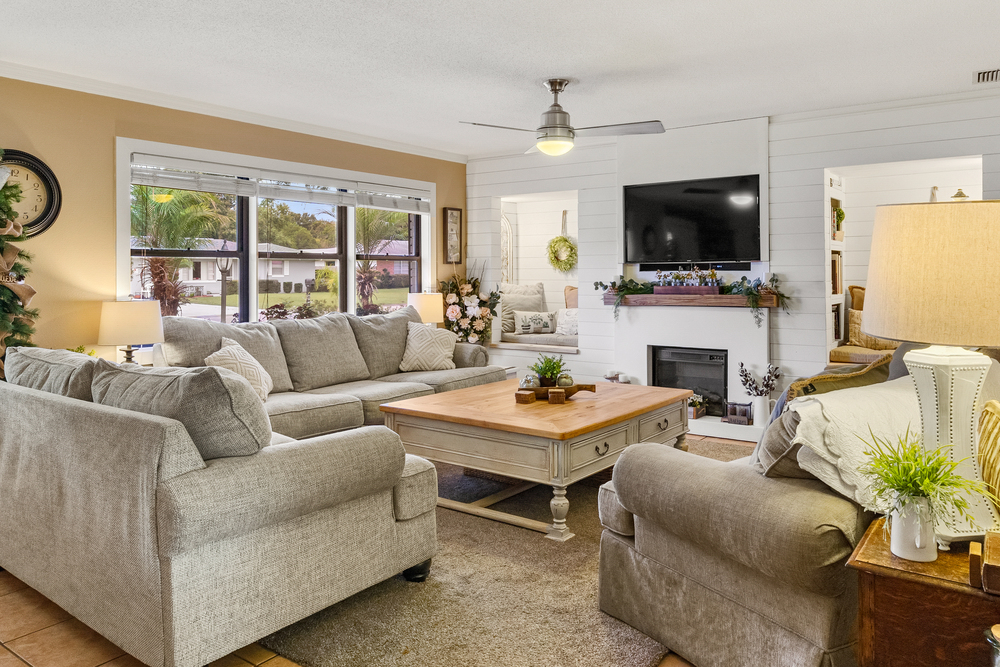
Storytelling techniques:
- Plan the journey: Sequence images from exterior curb appeal to interior flow.
- Highlight uniqueness: Showcase design features, cozy corners, or outdoor living.
- Maintain style consistency: Editing, framing, and tones should reflect your brand.
Pro Tip: Avoid over-editing. Realistic, polished photos build trust, while overly staged images may mislead buyers and hurt your reputation.
When your portfolio reflects both technical mastery and consistent storytelling, you establish yourself as premium real estate photographers.
>>> Read more: Personal Branding for Real Estate Photographers
7. Adapting to New Technology and Industry Trends
The world of real estate photography is fast-changing. Staying current with new tools and trends is essential for long-term success.
Trends to embrace:
- Drone photography: Aerial views showcase surroundings and add a premium feel.
- 3D tours & virtual walkthroughs: Essential for remote buyers and luxury listings.
- AI editing tools: Speed up retouching without sacrificing quality.
- Short-form video/Reels: Social media-ready content helps agents market faster.
Pro Tip: Stay tuned to your local market. In some areas, buyers expect 3D tours; in others, high-quality stills remain the priority.
Adapting to technology doesn’t mean abandoning your style. It means adding value and staying competitive.
Final Thoughts
Being real estate photographers today requires more than owning a camera. It takes technical skill, an artistic eye, strong client relationships, and adaptability. By mastering these seven skills, you’ll create images that not only impress real estate agents but also captivate buyers and sell properties faster.
Want to focus on shooting while leaving the editing to professionals? Imagtor helps real estate photographers save time with expert editing, decluttering, virtual staging, and retouching services. Our fast turnaround and consistent quality ensure your portfolio stands out, your clients stay impressed, and your business grows stronger. Partner with Imagtor today and take your real estate photography to the next level with FREE TRIAL and 10% BULK DISCOUNT.
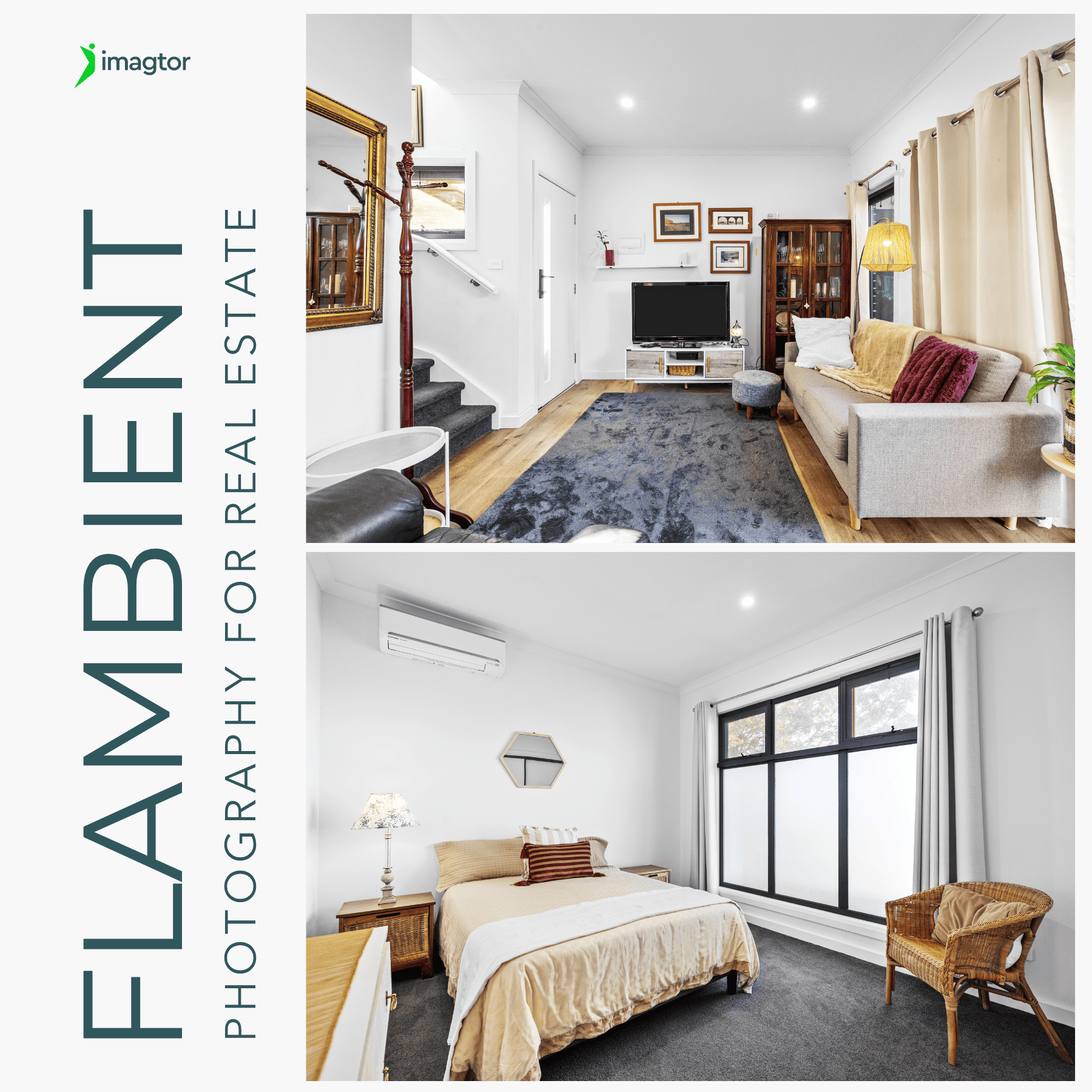
Flambient photography has become the go-to lighting technique for serious real estate photographers in 2026. It combines the natural light range of HDR with the color accuracy of flash, producing interior images that look clean, warm, and genuinely believable without the over-processed look that heavy HDR editing creates. This guide covers what flambient photography actually …
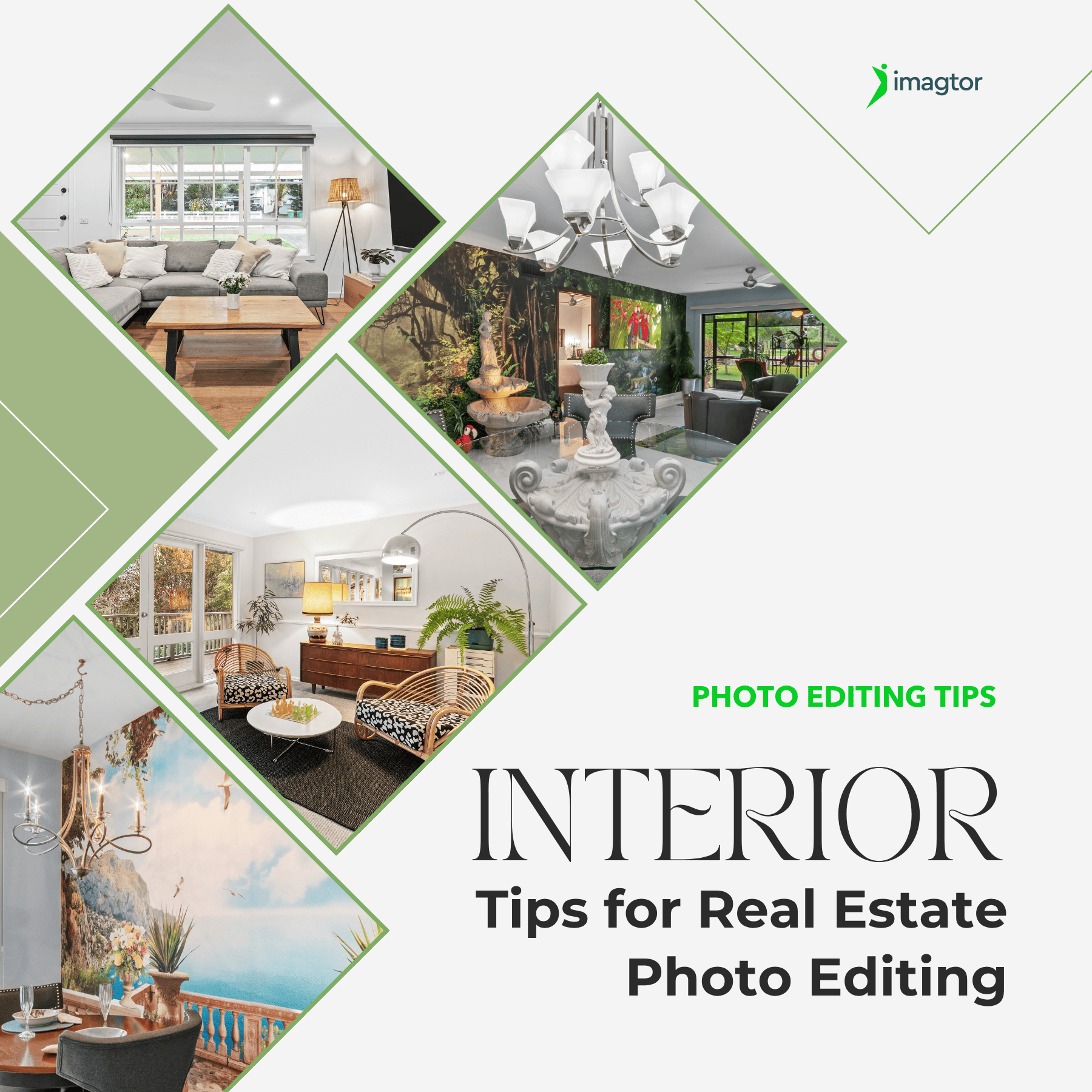
Interior real estate photo editing is where most of the work happens after a shoot. Getting exposure, color, and detail right across a full gallery is what separates listings that actually get clicks from ones that get skipped past. This guide covers the core techniques professionals use, in the order they actually matter, so every …