
2026 Tips for Real Estate Photographers to Stay Competitive


Real estate photographers entering 2026 are facing higher expectations from clients who want faster delivery, consistent quality, and visuals that support modern real estate marketing. As listing standards continue to rise, photographers must balance creative skill with efficiency, technology, and business decisions that protect their time. Preparing early helps photographers adapt to market changes without sacrificing quality or profitability.
Real Estate Marketing Trends That Affect Photographers in 2026
Real estate marketing continues to move toward a visual-first approach. Buyers now evaluate listings online before engaging with agents, which places real estate photographers at the center of the marketing process. As a result, photographers are no longer judged only on image quality but also on reliability, turnaround time, and consistency across projects.
Additionally, agents expect photography to support broader marketing strategies. Images must align with branding, match listing descriptions accurately, and perform well across multiple platforms. This means photographers must think beyond single shoots and consider how their work fits into complete marketing packages.
Because of these real estate marketing trends, real estate photographers who understand client goals and adapt their services accordingly are better positioned to retain long-term partnerships.
Rising Visual Standards and Buyer Expectations
Buyer expectations continue to influence how properties are photographed and presented. Clean compositions, accurate lighting, and realistic color balance matter more than dramatic edits. Over-processed images can reduce trust and lead to wasted time for both agents and buyers.

Furthermore, listings increasingly include supporting visuals such as floor plans, aerial images, and virtual walkthroughs. While photographers may not produce all assets themselves, they are often responsible for coordinating or integrating these visuals into a cohesive set.
Because of this shift, real estate photographers must deliver images that feel professional, consistent, and truthful. Quality is no longer defined by creativity alone but by how well images support decision-making.
Camera and Equipment Choices That Still Matter
Technology continues to evolve, yet some fundamentals remain unchanged. Full-frame and advanced mirrorless cameras remain the preferred choice for real estate photographers due to their dynamic range and low-light performance. Wide-angle lenses, when used responsibly, continue to define interior photography standards.
At the same time, drones remain relevant for properties where location, land size, or surroundings add value. However, aerial shots should be purposeful rather than included by default. Stabilization tools, tripods, and remote triggers also remain essential for maintaining sharpness and consistency.
While upgrading equipment can be tempting, real estate photographers should prioritize tools that improve efficiency and reliability rather than chasing specifications that offer minimal real-world benefits.
Software and Technology That Improve Workflow
In 2026, real estate photographers need tools that save time and reduce repetitive work. The goal is simple: work faster without lowering quality.
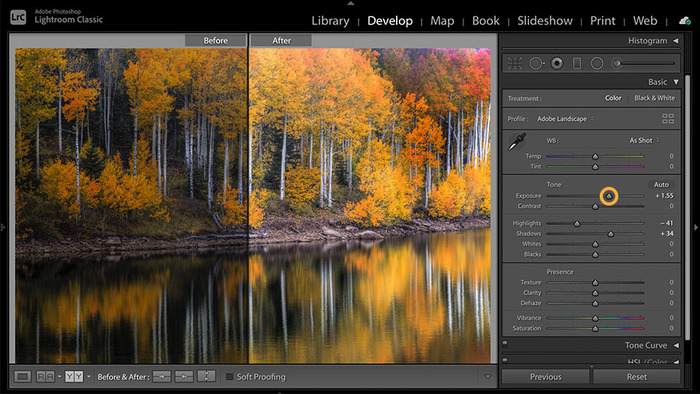
Editing and post-processing
- Adobe Lightroom Classic helps photographers edit many images at once and keep colors consistent.
- Adobe Photoshop is useful for detailed fixes like windows, reflections, or small distractions.
- Luminar Neo speeds up basic corrections with AI tools, although results should always be reviewed.
Photo selection and organization
- Photo Mechanic allows photographers to quickly select the best images before editing begins.
- Clear folder systems reduce mistakes and save time during delivery.
Delivery and file management
- Imagecloud fully integrates workflow system from photography projects, storage, asset management through to client delivery, with an embedded marketplace. Imagecloud is strategic partner of professional real estate editors like Imagtor.
- Pixieset and ShootProof make it easy to deliver images through professional online galleries.
- Dropbox Business supports file backup and sharing, which protects data and improves reliability.
Overall, real estate photographers should choose tools that simplify daily work. When software supports speed and consistency, they can focus more on shooting and serving clients.
Time Pressure and the Reality of Daily Work
As expectations increase, real estate photographers face greater time pressure. Agents want faster turnaround, often within 24 hours, while still expecting consistent quality. This creates a challenge, especially for photographers handling multiple shoots per day.

Editing time is often the bottleneck. While shooting may take a few hours, post-processing can consume evenings and weekends. Over time, this workload can lead to fatigue, rushed edits, and inconsistent results.
Because of these pressures, photographers must rethink how they allocate their time. Protecting shooting hours and client communication becomes increasingly important as businesses grow.
Why Outsourcing Real Estate Photo Editing Makes Sense in 2026
Outsourcing real estate photo editing has shifted from an optional solution to a practical business decision. By delegating editing tasks, photographers can focus on shooting, scheduling, and client relationships.
Reliable outsourcing helps maintain consistent quality, even during peak seasons. It also allows photographers to scale without hiring in-house staff or sacrificing turnaround time. For many photographers, outsourcing reduces burnout and supports long-term sustainability.
However, choosing the right partner matters. Real estate photographers should look for editing services that understand real estate standards, communicate clearly, and deliver predictable results. Outsourcing should feel like an extension of the photographer’s workflow, not a disruption.
>> Read more: How professional photographers achieve 24-hour photo delivery
How Imagtor Supports Real Estate Photographers Moving Into 2026
Imagtor works with real estate photographers who want to streamline their workflow without compromising quality. By handling post-processing tasks professionally and consistently, Imagtor helps photographers meet tight deadlines while maintaining high standards.

The service integrates smoothly into existing workflows, allowing photographers to upload, review, and deliver images efficiently. This support becomes especially valuable as client expectations continue to rise and workloads increase.
Rather than acting as a one-time solution, Imagtor positions itself as a long-term partner for real estate photographers who want to grow sustainably and focus on what they do best.
Preparing for a Competitive Year Ahead
Looking ahead, 2026 rewards photographers who invest in systems, not just tools. Understanding marketing trends, maintaining efficient workflows, and building reliable partnerships help real estate photographers remain competitive in a demanding market.
Instead of working longer hours, successful photographers will work smarter. Preparation, consistency, and clear processes will define success more than constant upgrades or last-minute solutions.
If you want to start 2026 with a faster, more reliable workflow, Imagtor supports photographers with professional real estate photo editing designed for consistency and speed. Try the service today with a FREE TRIAL + 10% DISCOUNT and focus more time on shooting and growing your business.

Flambient photography has become the go-to lighting technique for serious real estate photographers in 2026. It combines the natural light range of HDR with the color accuracy of flash, producing interior images that look clean, warm, and genuinely believable without the over-processed look that heavy HDR editing creates. This guide covers what flambient photography actually …

Interior real estate photo editing is where most of the work happens after a shoot. Getting exposure, color, and detail right across a full gallery is what separates listings that actually get clicks from ones that get skipped past. This guide covers the core techniques professionals use, in the order they actually matter, so every …