

Real estate trends entering 2026 point to a market focused on stability, clarity, and informed decision-making. After years of rapid change, buyers and professionals are moving more carefully, relying on data, visuals, and context rather than speed alone. These shifts are redefining how properties are presented and evaluated, making preparation and consistency essential as the new year begins.
1. Moderate Price Growth and Market Stability
In 2025, many markets rebalanced after years of rapid price increases and rising interest rates. Australia’s housing sector provides a clear example, with residential prices rising 8.6% in 2025 and forecasts projecting at least 5% growth into 2026 under stable economic conditions, despite affordability challenges and supply constraints. Experts attribute continued upward movement to demand outpacing new supply and persistent rental price growth across major cities (The Guardian, 2026).
Australian forecasts also suggest strong regional performance, with cities such as Perth and Brisbane expected to see double-digit growth (10% – 15%) while larger capitals like Sydney and Melbourne may grow 3% – 7% (The Australian, 2026).
Meanwhile, in many North European countries, forecasts show moderate growth rather than sharp increases. For example, residential property prices in Germany and the UK are predicted to rise modestly in 2026 as macroeconomic conditions and mortgage pricing stabilize. This steady gain reflects broader real estate trends of cautious optimism rather than intense expansion.
In the United States, home price growth has slowed compared with the highs of the early 2020s, and many economists project a more measured pace in 2026. Buyers benefit from slight improvements in affordability as wage growth outpaces price increases in certain regions, though overall affordability remains a challenge.
Taken together, these patterns suggest 2026 will be a year of stability rather than breakout growth. Professionals should align expectations with incremental movement rather than dramatic swings.
2. Digital Expectations and Buyer Behavior
One of the clearest real estate trends for 2026 is the continued growth of buyer expectations shaped by online search behavior. Recent data from the Zillow Consumer Housing Trends Report shows that 33% of prospective buyers rank floor plans as the most important listing feature, even ahead of high-resolution photos and virtual tours (Zillow, 2025).

This reflects a broader shift in how buyers evaluate properties online. Listings with strong digital content not only attract attention but also help buyers self-qualify before booking in-person tours. Interactive visuals, clear data points, and structured layout representations have become baseline expectations. Another data point shows that 79% of online buyers engage with a floor plan on a listing, and 67% want to see a floor plan included (Gitnux, 2025).
This shift affects real estate professionals in tangible ways:
- Listings without rich visuals are more likely to be ignored.
- Prospects spend more time on listings that include floor plans, high-quality photos, and virtual content.
- Mobile viewing dominates early property search behavior.
For agents and marketers, this means visual content must work together with accurate information to build trust and reduce uncertainty. These are not fleeting preferences but structural elements of buying behavior that continue to shape real estate trends in 2026.
>> Read more: Why character-rich homes are getting more attention in 2026
3. Capital Flows and Investment Shifts
Capital allocation across real estate markets is shifting in response to global economic patterns. Recent investment data shows that by the third quarter of 2025 global real estate funds had raised US$165 billion, matching the total raised in 2024. However, North America’s share of that capital fell from 50% to 40%, while Europe’s fundraising volume grew by 50% and the Asia-Pacific region’s share jumped 130% (International Investment, 2025).
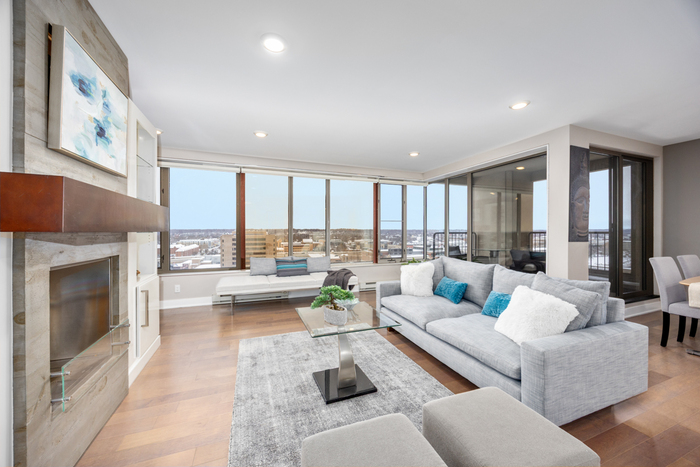
This redistribution reflects investor strategies that value diversification and opportunity over traditional concentration in single markets. Investors are increasingly targeting regions where transactions are easier to structure, returns are attractive, and assets are suitable for upgrades or repurposing.
For example, secondary cities in Europe and parts of Australia are attracting interest due to stronger relative returns and growth potential. In the US, investors are moving beyond coastal markets toward inland urban centers with tighter supply and stronger demographic momentum.
Understanding capital flows helps professionals anticipate where demand may rise and where competition may intensify in 2026.
4. Supply Challenges and Sector Variances
Supply constraints remain a defining feature of real estate trends in 2026. In many advanced economies, development activity slowed in 2025, leading to projected shortages of top-quality space in both commercial and residential segments.
Global real estate reports indicate that office space completions in North America and Europe could fall sharply in 2026, with new projects delayed by high financing costs and economic uncertainty. This tightening of supply, particularly for modern space, will likely maintain upward pressure on rents, lease rates, and investor interest in core assets (JLL, 2025).
Residential supply also remains constrained in many key markets. Limited new construction, combined with continued demand from buyers and investors, suggests price support will continue even if growth moderates. These conditions emphasize the importance of clear positioning and marketing to attract buyers in a competitive environment.
5. Evolving Professional Roles and Skill Sets
Another persistent real estate trend for 2026 is the evolution of professional roles. Buyers are entering the market better informed and more selective, which places new demands on agents and photographers alike.
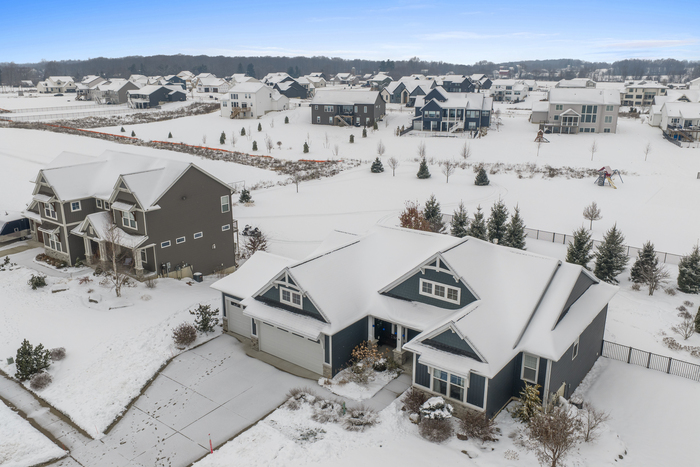
Instead of simply listing properties, agents are increasingly acting as advisors, interpreters of data, and facilitators of trust. They help buyers understand not just price and features but context, neighborhood dynamics, future value, and comparative analysis.
Photographers and visual marketers also play a growing role, not just in capturing attractive images, but in presenting structured visuals that align with online search behavior. This includes floor plans, 3D tours, accurate aerial shots, and concise visual summaries that help buyers make quicker, more confident decisions.
As buyers spend more time researching online before contacting agents, professionals who integrate data and visuals effectively will gain strategic advantages – not just in visibility, but in conversion.
6. Looking Ahead: Strategic Priorities for 2026
Stepping into 2026, real estate professionals should adopt a strategic mindset that balances stability with innovation. The following priorities will help teams align with major market drivers:
- Emphasize data transparency and quality: accurate pricing, clear visuals, and contextual insights.
- Leverage digital content that reflects buyer behavior and expectations.
- Monitor capital flows and demographic shifts that influence demand.
- Prepare for nuanced market pacing – change is incremental, not explosive.
- Use analytics to refine targeting and reporting.
By focusing on these areas, professionals will not only respond to current trends but also build resilient practices that anticipate future market developments.
As the 2026 market demands clarity, quality, and structured presentation, your visual strategy matters more than ever. Imagtor helps real estate professionals elevate listings with reliable floor plans, professional photography, and integrated visuals designed for today’s competitive market. Start with a FREE TRIAL + 10% DISCOUNT and see the difference high-quality marketing makes.
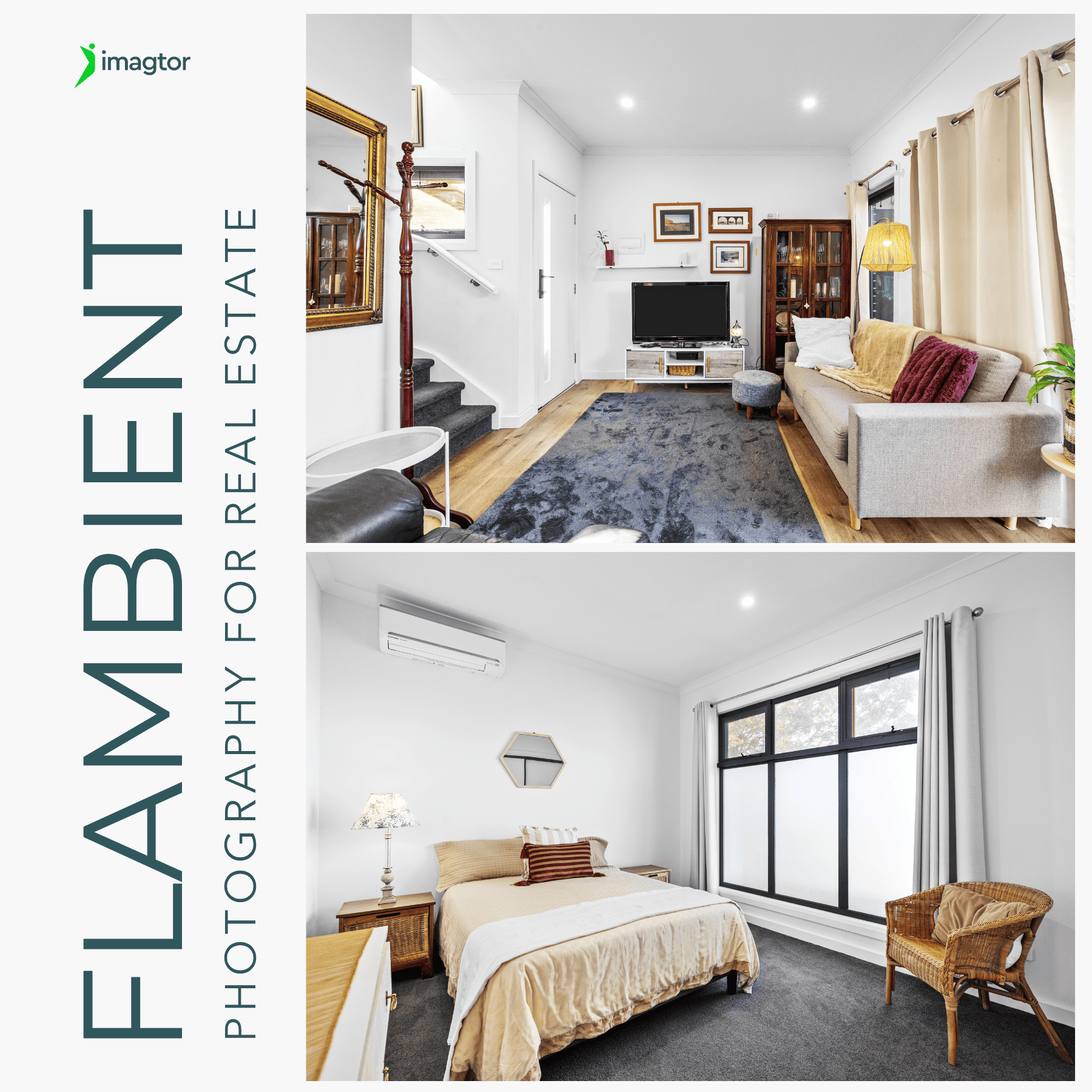
Flambient photography has become the go-to lighting technique for serious real estate photographers in 2026. It combines the natural light range of HDR with the color accuracy of flash, producing interior images that look clean, warm, and genuinely believable without the over-processed look that heavy HDR editing creates. This guide covers what flambient photography actually …

Interior real estate photo editing is where most of the work happens after a shoot. Getting exposure, color, and detail right across a full gallery is what separates listings that actually get clicks from ones that get skipped past. This guide covers the core techniques professionals use, in the order they actually matter, so every …