

Choosing the right camera body can make a big difference in real estate photography. A good camera helps you shoot cleaner interiors, handle difficult lighting, and work more efficiently during busy property shoots. The best option is not always the most expensive one. Instead, photographers should focus on features that support real estate photography workflows and long-term reliability.
What Real Estate Photographers Need from a Camera Body
Real estate photography is different from portrait or sports photography. You are often shooting:
- Bright windows and dark interiors at the same time
- Tight rooms with limited space
- Multiple properties in one day
- Long HDR exposure brackets
Because of this, the right camera body should support efficiency and image quality instead of simply offering high megapixel numbers.
Here are some of the most important things to look for.
Strong Dynamic Range
Dynamic range is extremely important in property photography. It helps your camera capture details in both shadows and highlights. This becomes useful when photographing bright windows, dark kitchens and rooms with mixed lighting.
A camera with better dynamic range gives editors more flexibility during post-processing.
Reliable HDR Bracketing
Most real estate photographers use HDR workflows. Your camera body should make exposure bracketing easy and reliable.
Fast bracketing helps photographers work faster on-site, reduce shooting time and capture more consistent exposures.
This is especially important during high-volume shooting days.
Good Low-Light Performance
Not every property has ideal lighting. Some interiors may rely heavily on natural light or have darker rooms.
A good real estate photography camera should handle low-light situations without producing excessive noise or soft images.
Comfortable Workflow and Reliability
Real estate photographers often carry equipment for several hours each day. A reliable and comfortable camera body matters more than many people expect.
Important workflow factors include:
- Battery life
- Menu system
- File handling speed
- Comfortable grip
- Lightweight design
A camera that slows down your workflow eventually becomes frustrating during busy schedules.
>>Read more: DSLR or Mirrorless for Real Estate Photography?
Why Full-Frame Cameras Work Best for Real Estate Photography
Most professional photographers use a full-frame camera body for real estate photography because it performs better in several key areas.
Benefits include:
- Better dynamic range
- Cleaner shadow detail
- Improved low-light performance
- Better ultra-wide lens compatibility
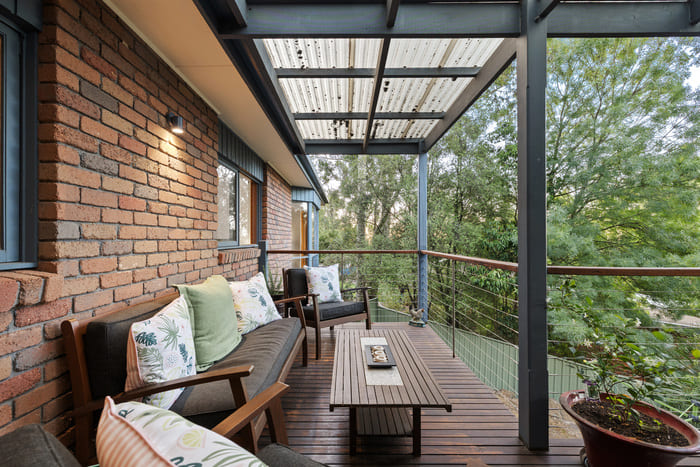
Full-frame sensors also help photographers capture rooms more naturally, especially when using wide-angle lenses.
APS-C cameras can still work well for beginners or lower-volume photographers. However, many professionals eventually move to full-frame systems for more flexibility and stronger image quality.
Important Camera Body Features for HDR Real Estate Photography
HDR photography is one of the most common workflows in real estate photography. Because of this, your camera body should support HDR shooting efficiently.
Fast Auto Exposure Bracketing
A camera that can quickly capture multiple exposures improves workflow speed significantly.
This helps photographers shoot faster, reduce missed shots, and keep property visits efficient.
Stable Sensor Performance
Consistent image quality matters when combining multiple exposures later during editing.
Good sensor performance helps maintain natural colors, clean shadows and better highlight recovery.
High Resolution Without Overkill
Higher resolution helps capture details, but extremely high megapixel counts are not always necessary.
For most photographers, cameras between 24MP to 45MP provide more than enough detail for listing platforms and marketing materials.
Best Camera Body Options for Professional Real Estate Photography
Several cameras work especially well for modern real estate photography workflows.
Canon R6 Mark II
The Canon R6 Mark II is one of the most balanced choices for real estate photographers.
Strengths include:
- Excellent low-light performance
- Reliable autofocus
- Fast HDR shooting
- Comfortable handling
It works especially well for photographers who also shoot video content.
Sony A7 IV
The Sony A7 IV is popular because of its strong image quality and flexible workflow.
Key advantages:
- Excellent dynamic range
- Sharp detail
- Strong lens ecosystem
- Reliable hybrid photo/video features
This camera body is a strong all-around option for professional work.
Nikon Z8
The Nikon Z8 is designed for higher-end professional workflows.
It performs especially well for:
- Luxury real estate photography
- Large commercial spaces
- High-detail marketing projects
Main strengths include:
- High resolution
- Excellent dynamic range
- Strong image quality
For photographers handling premium listings regularly, the Z8 offers impressive performance.
Canon R8
The Canon R8 is a practical choice for photographers moving into full-frame systems.
Benefits include:
- Lightweight design
- Affordable pricing
- Good image quality
- Easy workflow
This camera works well for photographers building their business without investing heavily right away.
Sony A7 III
Even several years after release, the Sony A7 III remains a reliable camera body for real estate photography.
It continues to perform well because of:
- Good low-light capability
- Reliable battery life
- Strong full-frame performance
- Affordable pricing compared to newer models
Many photographers still use this camera successfully for daily property shoots.
Choosing a Camera Body Based on Your Workflow
Not every photographer needs the same type of camera. Your workflow should help guide your decision.
High-Volume Real Estate Photographers
If you shoot several properties per week, focus on:
- Reliability
- Fast workflow
- Good battery life
- Efficient HDR bracketing
Luxury Real Estate Photographers
If you focus on luxury properties, higher resolution and stronger dynamic range become more important.
These projects often require:
- Detailed marketing images
- Larger prints
- Premium presentation quality
Hybrid Photo and Video Shooters
Many photographers now offer both photography and video services.
If you create:
- Listing videos
- Reels
- Social media content
then video features become more valuable when choosing a camera body.
Lens Ecosystem Matters More Than Many Photographers Expect
The camera itself is important, but lens selection often matters even more in real estate photography.
Most photographers rely heavily on ultra-wide lenses such as:
- 14–24mm
- 16–35mm
A strong lens ecosystem gives photographers more flexibility as their business grows.
Some photographers also use:
- Tilt-shift lenses
- Prime lenses for detail shots
- Hybrid video lenses
When choosing a camera body, it is smart to think about future lens options as well.
>>Read more: Best Lens for Property Photography
Camera Body Alone Does Not Create Professional Results
Even the best camera body cannot replace good photography fundamentals.
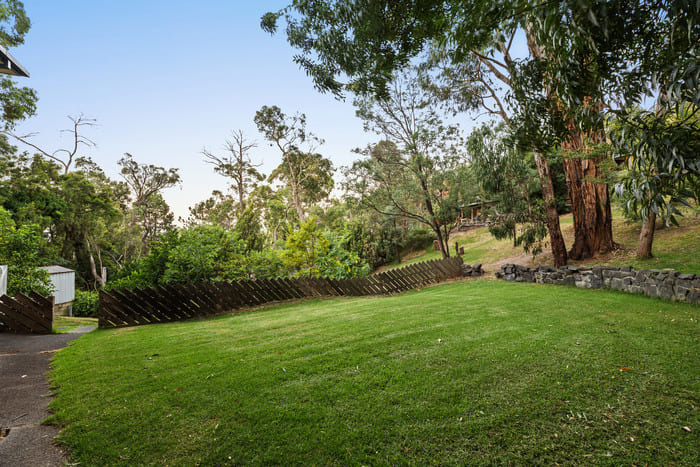
Professional results still depend on:
- Lighting
- Composition
- Editing
- Workflow consistency
Many photographers upgrade gear expecting dramatic improvements, but image quality often depends just as much on post-processing and shooting technique.
Clean editing, balanced exposure, and straight vertical lines remain essential in real estate photography.
Building a Professional Workflow Beyond the Camera Body
A strong workflow combines good photography equipment with reliable editing and fast delivery.
After shooting, photographers still need to handle:
- HDR blending
- Perspective correction
- Color balancing
- Window pull editing
This is why many photographers outsource editing to maintain consistent quality while managing larger workloads.
Professional editing helps your images look polished and ready for listing platforms, regardless of which camera body you use.
Choosing the Right Camera Body for Long-Term Growth
The best camera body for real estate photography is the one that supports your workflow, shooting style, and long-term business goals.
Instead of focusing only on specifications, think about:
- Reliability during busy schedules
- HDR workflow efficiency
- Lens compatibility
- Editing flexibility
- Future scalability
A practical and dependable camera system will support your business much better over time than simply chasing the newest gear release.
A strong workflow goes beyond choosing the right camera body. Professional editing also plays a major role in delivering clean and consistent property images.
Imagtor helps real estate photographers streamline post-processing with reliable photo enhancement and fast turnaround.
Start today with a FREE TRIAL and 10% DISCOUNT.
Professional photo editing software is basically the backbone of every photographer’s post-production work. Knowing what tools others are actually using, and why they stick with them, helps you make better decisions for your own setup without going through the trial-and-error yourself. Why your choice of photo editing software matters It is not just about features. …
Real estate video editing for Reels and Shorts follows different rules from a standard listing walkthrough. Pacing, format, and visual clarity all need to match how people actually watch on mobile. This guide covers what makes short-form property videos work on Instagram, YouTube, Tiktok and Facebook. Why Reels and Shorts work differently from listing videos …