

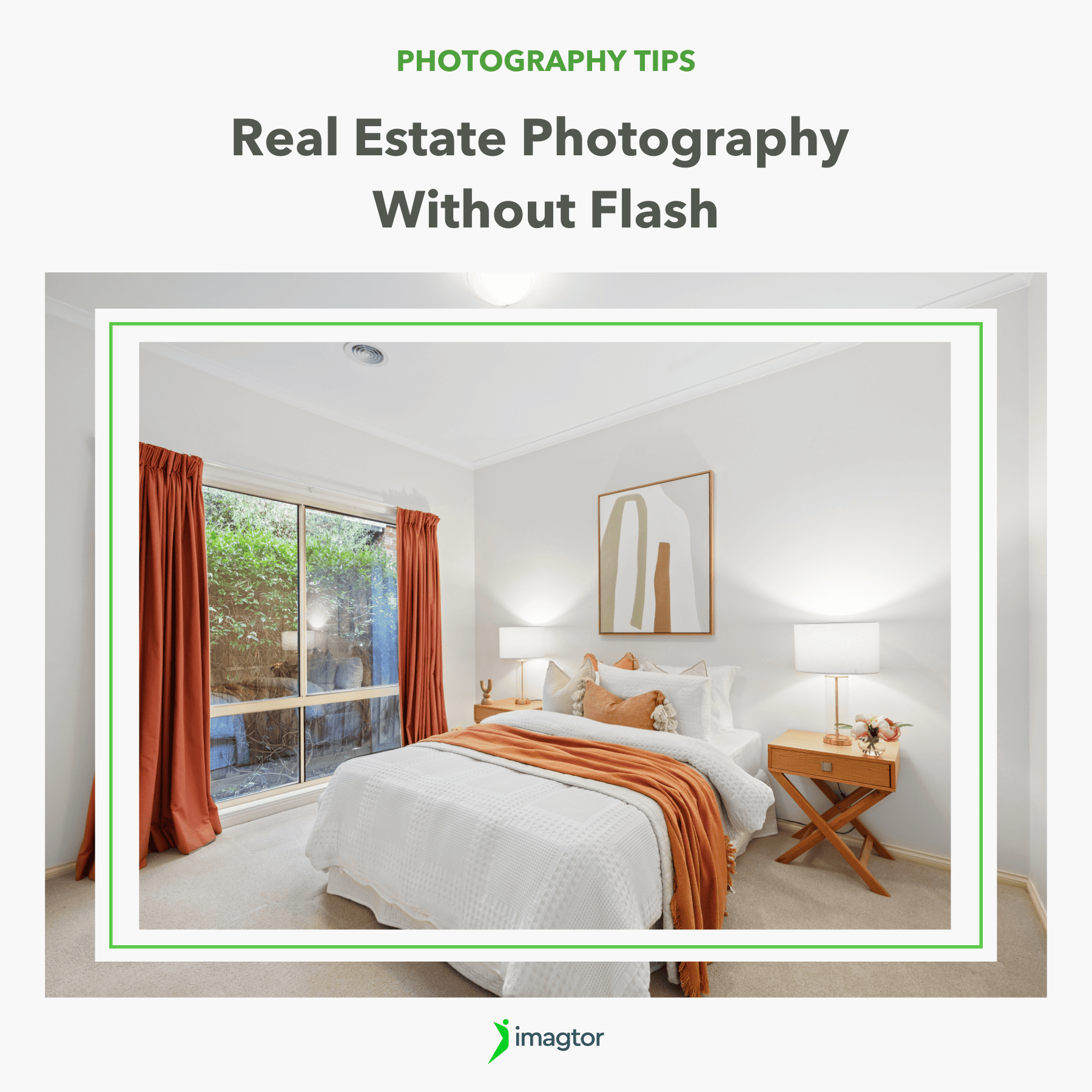
Real estate photography without flash has become increasingly popular as photographers aim for a more natural and realistic look. Buyers today expect property images to feel authentic, bright, and comfortable, not overly staged or harshly lit. While flash still has its place, shooting without it can simplify workflows and create images that better reflect how a space feels in real life.
Why Many Photographers Choose Real Estate Photography Without Flash
Many photographers move away from flash because it often introduces more problems than it solves. Direct flash can create hard shadows, uneven lighting, and color inconsistencies across rooms. These issues require extra time to fix during editing.
Natural-light real estate photography tends to look softer and more inviting. Rooms appear closer to how buyers will actually experience them, which helps build trust. In addition, shooting without flash reduces setup time, making it easier to move quickly through a property and stay efficient on tight schedules.
When Real Estate Photography Without Flash Works Best
Flash-free shooting is not suitable for every property, but it works well in many common scenarios. Homes with large windows, open layouts, and neutral interiors are ideal candidates. Apartments, condominiums, and modern houses often benefit the most from natural light.
Time of day also matters. Mid-morning and late afternoon usually provide balanced light without harsh shadows. Overcast days can be especially helpful, since clouds act as a natural diffuser and soften contrast throughout the space.
Camera Settings for Real Estate Photography Without Flash
Without flash, camera settings become more important. Photographers need to carefully balance exposure while keeping images clean and sharp.
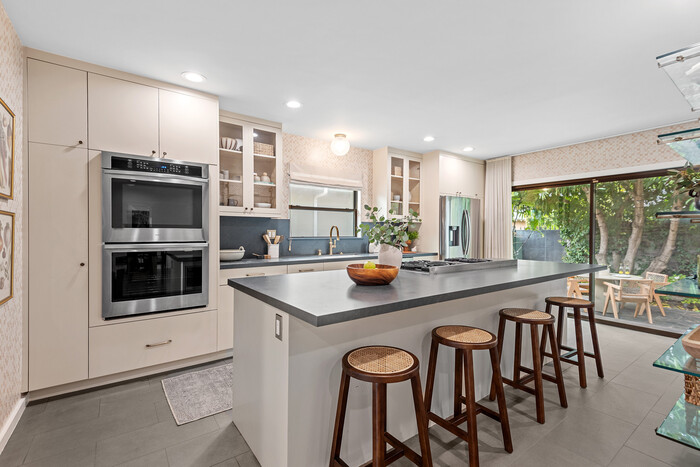
Key considerations include:
- Using a lower ISO to reduce noise, especially in darker rooms
- Slowing the shutter speed while stabilizing the camera
- Choosing an aperture that keeps the room sharp from front to back
A tripod is essential in real estate photography without flash. It allows slower shutter speeds while maintaining sharpness, which helps preserve image quality in low-light areas.
Using Natural Light Effectively in Real Estate Photography
Natural light is your main tool when flash is removed from the equation. Understanding how light moves through a space can dramatically improve results.
Start by identifying the primary light sources, usually windows and glass doors. Position the camera so light enters from the side rather than directly behind the lens. This approach adds depth and avoids flat-looking images.
It is also important to control contrast. Bright windows and darker interiors can challenge real estate photography, so careful positioning and exposure choices are key to keeping details visible in both areas.
Composition Tips for Flash-Free Real Estate Photography
Strong composition becomes even more important when relying on available light. Small framing mistakes are harder to hide without controlled lighting.
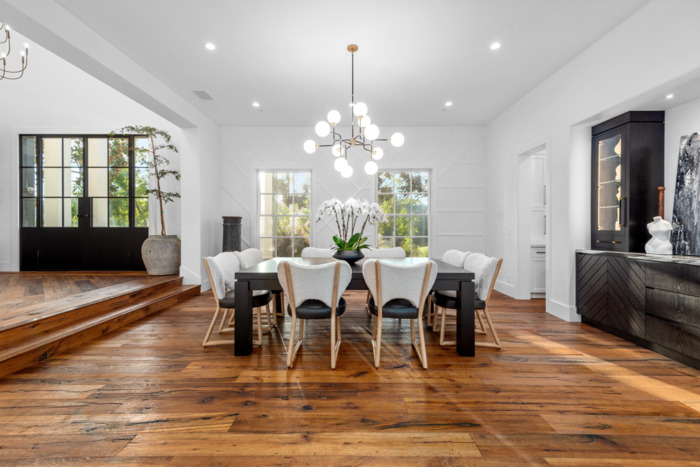
Effective composition tips include:
- Shooting at chest height to maintain natural proportions
- Keeping vertical lines straight to avoid distortion
- Framing rooms to highlight light flow and space
These habits help real estate photography look clean and professional, even without added lighting.
Common Lighting Challenges Without Flash
Shooting without flash introduces several challenges that photographers must anticipate. Mixed lighting is one of the most common issues. Daylight from windows often clashes with warm indoor lighting, causing color shifts across the image.
Dark corners are another frequent problem. Some areas may receive little natural light, resulting in uneven exposure. Photographers often address this by capturing multiple exposures and blending them during editing, rather than adding artificial light on location.
>> Read more: Composition & Lighting Mistakes in Real Estate Photography
Post-Processing for Real Estate Photography Without Flash
Editing plays a critical role in flash-free workflows. Since images rely on natural light, post-processing helps balance exposure while preserving a realistic look.
Editing typically focuses on:
- Adjusting brightness and contrast
- Correcting white balance across rooms
- Recovering details in shadows and highlights
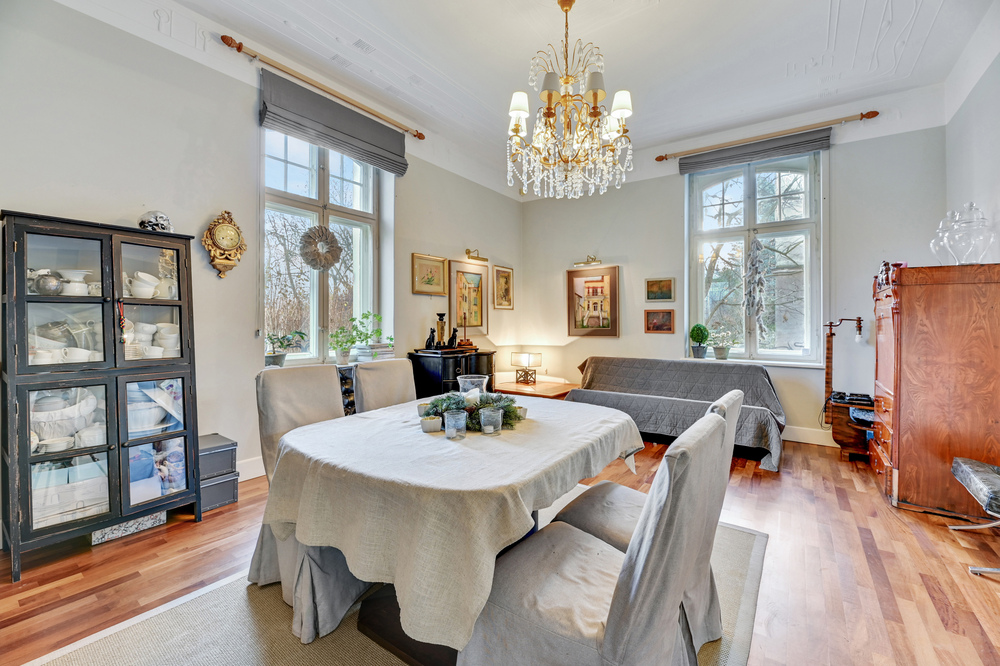
Manual editing is especially important in real estate photography without flash. Automated or AI-based tools often struggle with window light and mixed color temperatures, producing inconsistent results that reduce listing quality.
Flash-Free Shooting vs Flash Photography
Both approaches have advantages, and the choice depends on the project. Flash photography provides more control in difficult lighting situations, especially in darker homes. However, it requires more setup time and technical skill.
Flash-free real estate photography offers faster shooting, simpler workflows, and a more natural appearance. For many listings, especially mid-range properties, this approach aligns better with buyer expectations and marketing trends.
>> Read more: HDR vs Flambient For Real Estate Photography
When to Outsource Editing for Flash-Free Real Estate Photography
Without flash, editing becomes more time-consuming and detail-oriented. This is why many photographers choose to outsource post-processing once their workload increases.
Outsourcing helps:
- Maintain consistent image quality
- Reduce turnaround time
- Allow photographers to focus on shooting and clients
Many professionals outsource editing to Vietnam because of skilled editors, structured workflows, and reliable quality control. Imagtor specializes in real estate photography editing, applying careful manual adjustments that enhance natural-light images without making them look artificial.
Building a Reliable Workflow Without Flash
Success with flash-free shooting depends on consistency. Photographers should set clear expectations with clients about lighting conditions and results. Not every space will look perfect, but honest representation builds long-term trust.
By combining solid shooting techniques with professional editing support, real estate photography without flash becomes a sustainable and scalable approach for modern photographers.
Natural-light photos deserve careful, professional editing. Imagtor helps photographers refine flash-free real estate photography with manual adjustments, consistent quality, and fast turnaround. Start today with a FREE TRIAL + 10% DISCOUNT and deliver cleaner, more natural property images with confidence.
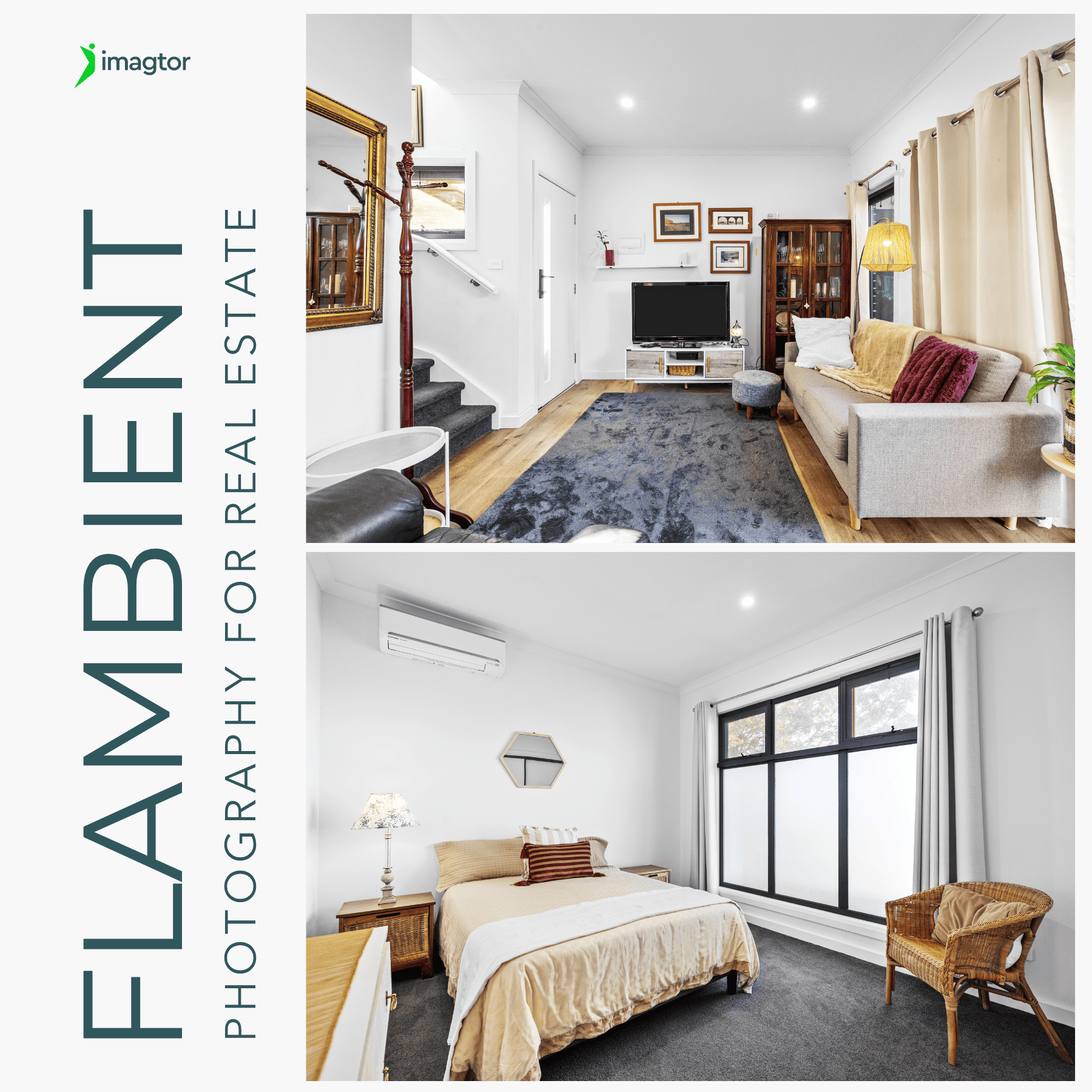
Flambient photography has become the go-to lighting technique for serious real estate photographers in 2026. It combines the natural light range of HDR with the color accuracy of flash, producing interior images that look clean, warm, and genuinely believable without the over-processed look that heavy HDR editing creates. This guide covers what flambient photography actually …

Interior real estate photo editing is where most of the work happens after a shoot. Getting exposure, color, and detail right across a full gallery is what separates listings that actually get clicks from ones that get skipped past. This guide covers the core techniques professionals use, in the order they actually matter, so every …