
Lighting Equipment Experts Use for Indoor Property Photography

Lighting equipment plays a defining role in how indoor property photos look, feel, and perform in the market. While composition and editing matter, professional photographers rely on carefully chosen lighting tools to control brightness, color, and depth inside a space. This guide breaks down the lighting equipment experts actually use for indoor property photography, why each tool matters, and how technology shapes modern workflows.
Why Lighting Equipment Matters in Indoor Property Photography
Indoor spaces rarely offer ideal lighting conditions. Rooms often combine window light, ceiling fixtures, and shadows, which creates uneven exposure and color inconsistencies. Because of this, lighting becomes essential for photographers who want reliable and repeatable results.
Proper lighting helps define room dimensions, highlight textures, and prevent dark corners. More importantly, it ensures that property images feel balanced and realistic, rather than flat or overly dramatic. As a result, professional lighting setups are less about brightness and more about control.
Natural Light and Artificial Lighting Work Together
Many photographers start with natural light, since it creates a familiar and inviting atmosphere. However, natural light alone is unpredictable. Weather, time of day, and window direction all affect results.
That is why experts combine natural light with artificial lighting equipment. Artificial lights fill shadows, balance window exposure, and maintain consistency across rooms. When used correctly, artificial lighting supports natural light instead of overpowering it, which is a key principle in property photography lighting.
>> Read more: Natural Light vs. Artificial Light in Real Estate Photography
Core Types of Lighting Equipment Used by Professionals
Professional indoor shoots rely on a few main categories of lighting equipment. Each serves a specific purpose, and together they form a flexible system that adapts to different properties.
The most common categories include:
- Continuous lighting systems
- Flash and strobe lighting
- Light modifiers and accessories
- Wireless control and color management tools
Understanding how these tools work together helps photographers choose the right setup for their business.
Continuous Lighting Equipment for Indoor Shoots
Continuous lights are popular because photographers can see exactly how light falls on a room before taking the shot. This makes them especially useful for beginners and for fast-paced shoots.
Common continuous lighting equipment includes:
- LED panels with adjustable brightness
- LED light bars for even wall coverage
- Bi-color LEDs that switch between warm and cool tones
These lights are energy efficient and portable. Moreover, adjustable color temperature helps photographers match indoor fixtures or daylight, which reduces color correction work later.
Flash and Strobe Lighting Equipment
Flash-based lighting equipment offers more power and precision. While it requires more technical skill, it delivers consistent results even in challenging spaces.
Professionals commonly use:
- Speedlights for compact rooms
- Off-camera flash systems for flexibility
- Studio strobes for large interiors
Flash lighting allows photographers to freeze motion, control highlights, and evenly light larger spaces. However, careful positioning and diffusion are necessary to avoid harsh shadows.
Wireless Triggers and Lighting Control Technology
Modern lighting equipment relies heavily on wireless technology. Radio triggers allow photographers to fire multiple lights simultaneously without physical connections.
Advanced trigger systems offer:
- Remote power adjustment
- Group control for multiple lights
- Stable signals through walls and furniture
This technology speeds up workflows and reduces physical movement during shoots, which improves efficiency and consistency.
Light Modifiers That Shape Indoor Lighting
Raw light is rarely ideal on its own. That is why experts use light modifiers to shape and soften illumination.
Essential modifiers include:
- Softboxes for diffused, even light
- Umbrellas for quick setup and broad coverage
- Diffusers to reduce harsh highlights
- Reflectors to bounce light into dark areas
These tools help lighting mimic natural light, which is crucial for realistic property photography lighting.
Managing Color Temperature Indoors
Color accuracy is one of the biggest challenges in indoor photography. Mixed lighting sources often create unwanted color casts that distract viewers.
Professionals manage this by using:
- Bi-color lighting equipments
- Color gels to match room lighting
- Consistent white balance settings
By controlling color temperature on-site, photographers reduce editing time and deliver cleaner images.
Typical Indoor Lighting Setups Used by Experts
Lighting setups vary based on room size and layout. However, experts often follow a few proven approaches.
For small rooms, a single diffused light paired with window light may be enough. For larger or open-plan spaces, photographers use multiple lights to balance exposure across zones. In both cases, lighting equipment is positioned to enhance depth rather than flatten the image.
Common Mistakes When Using Lighting Equipment
Even high-quality lighting equipment can produce poor results if used incorrectly. Over lighting is a frequent issue, as it removes natural shadows and makes rooms feel artificial.
Other common mistakes include:
- Ignoring color consistency
- Placing lights too close to walls
- Using too much power instead of diffusion
Avoiding these mistakes keeps images natural and market-ready.
Lighting Equipment vs Post-Processing
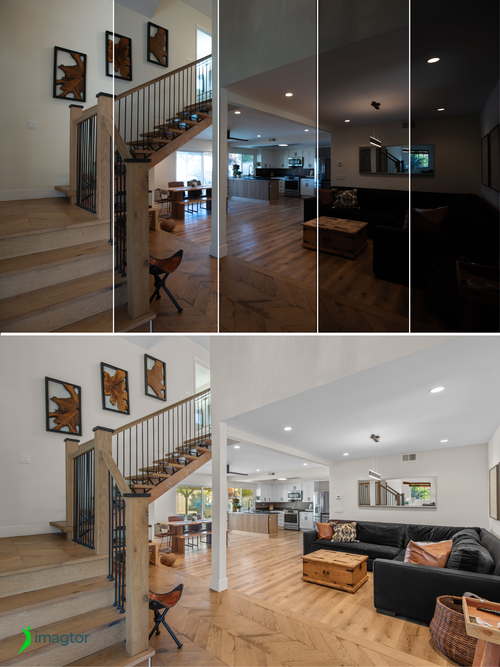
Lighting and editing should work together, not compete. Good lighting solves exposure and color problems at the source, while editing refines details and balances the final image.
In property photography lighting workflows, professionals aim to capture clean base images on-site. Then, editing focuses on fine adjustments rather than heavy corrections. This balance leads to more consistent and realistic results.
Choosing the Right Lighting Equipment for Your Business
Not every photographer needs the most advanced setup. The right lighting equipment depends on budget, property type, and shooting volume.
Photographers should consider:
- Portability and setup time
- Power output and control
- Compatibility with existing gear
As workloads increase, efficiency becomes more important than complexity.
Scaling Workflows With Professional Editing Support
As lighting setups become more advanced, editing demands also increase. Many photographers choose to outsource post-processing to maintain quality while scaling their business.
Outsourcing allows photographers to focus on shooting and client relationships, while experienced editors handle exposure blending, color correction, and consistency. For property photography lighting workflows, this combination delivers professional results at scale.
Professional lighting equipment creates strong images, but expert editing completes the job. Imagtor supports property photographers with precise manual editing, consistent quality, and fast turnaround. Start today with a FREE TRIAL + 10% DISCOUNT and turn well-lit interiors into polished, market-ready visuals.
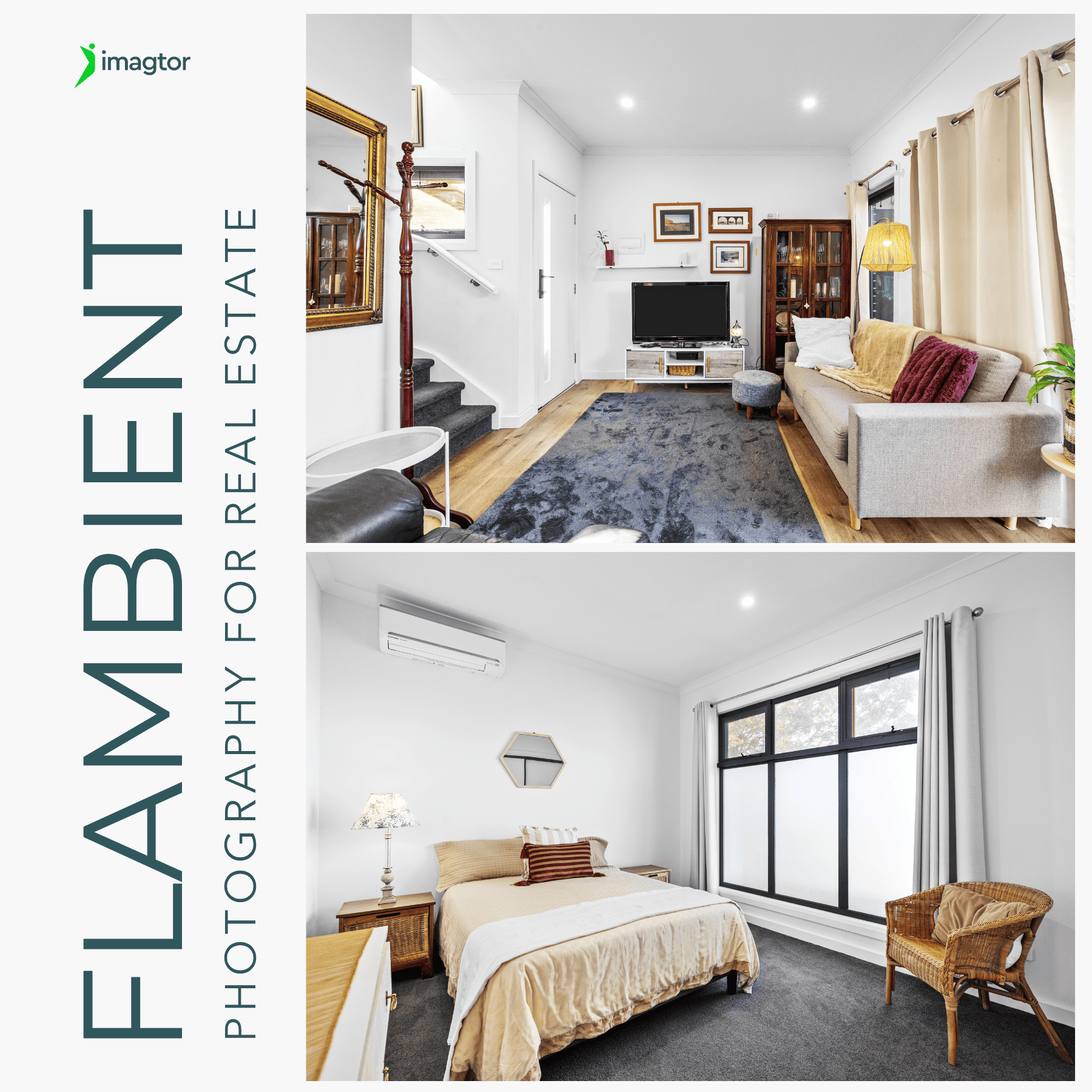
Flambient photography has become the go-to lighting technique for serious real estate photographers in 2026. It combines the natural light range of HDR with the color accuracy of flash, producing interior images that look clean, warm, and genuinely believable without the over-processed look that heavy HDR editing creates. This guide covers what flambient photography actually …
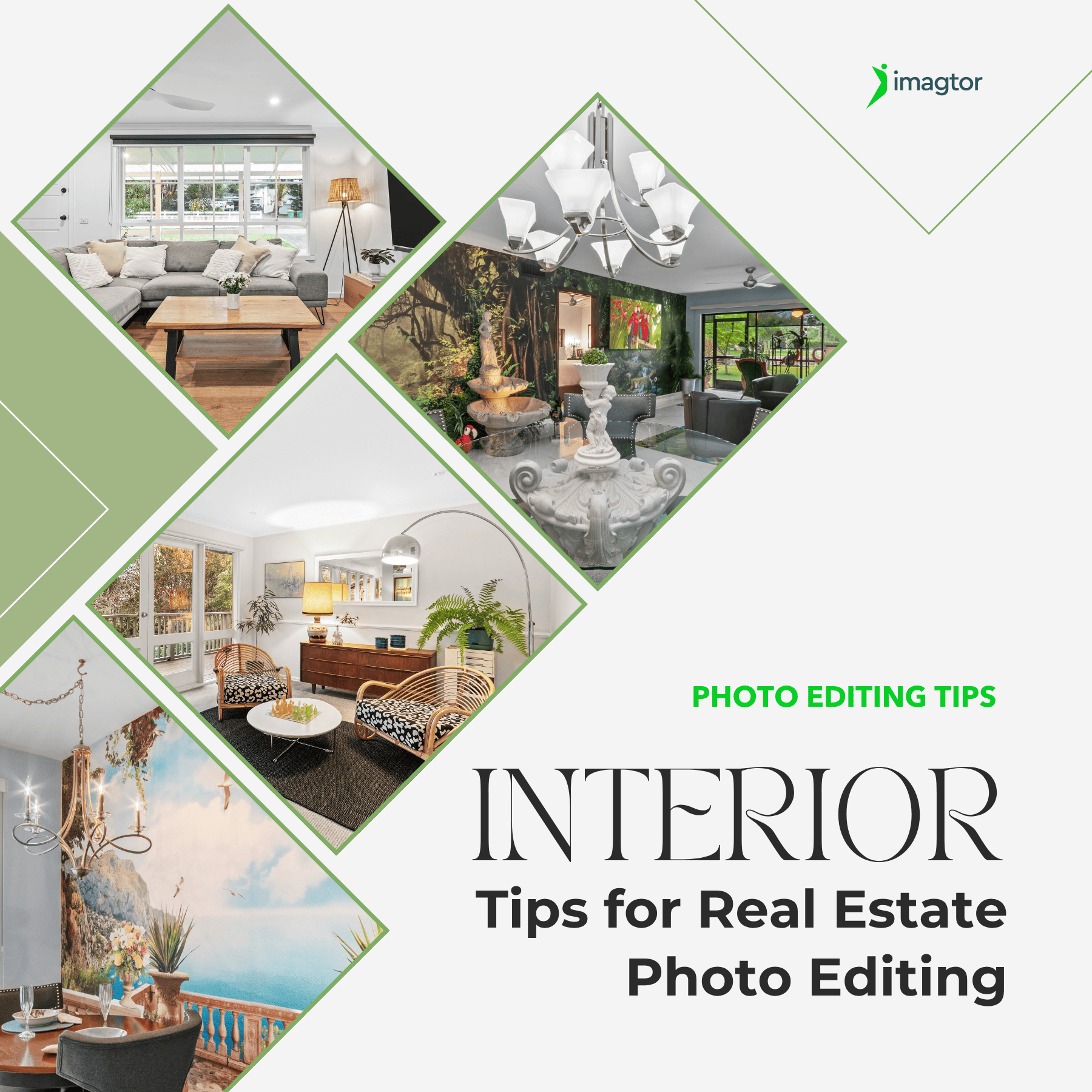
Interior real estate photo editing is where most of the work happens after a shoot. Getting exposure, color, and detail right across a full gallery is what separates listings that actually get clicks from ones that get skipped past. This guide covers the core techniques professionals use, in the order they actually matter, so every …