

The rise of eco-friendly homes is no longer just a passing trend. It’s a defining shift in how we design, build, and live. As environmental concerns intensify and consumers grow more conscious of their carbon footprint, the real estate industry is undergoing a sustainable transformation. Buyers now seek properties that not only offer comfort and beauty but also reduce energy costs, conserve resources, and promote healthier living.
According to Fortune Business Insights, the global market for single-family green buildings reached $156.76 billion in 2024 and is projected to grow to $179.09 billion in 2025, reflecting a 14.2% compound annual growth rate (CAGR). This surge is driven by environmental awareness, financial incentives, and technological innovation – proof that sustainability has become both a moral and economic imperative in modern real estate.
Market Growth and Consumer Demand
Demand for eco-friendly homes continues to accelerate. A global IBM survey found that 78% of consumers consider environmental sustainability important in their buying decisions. Homeowners are increasingly prioritizing energy efficiency, renewable energy integration, and sustainable materials.
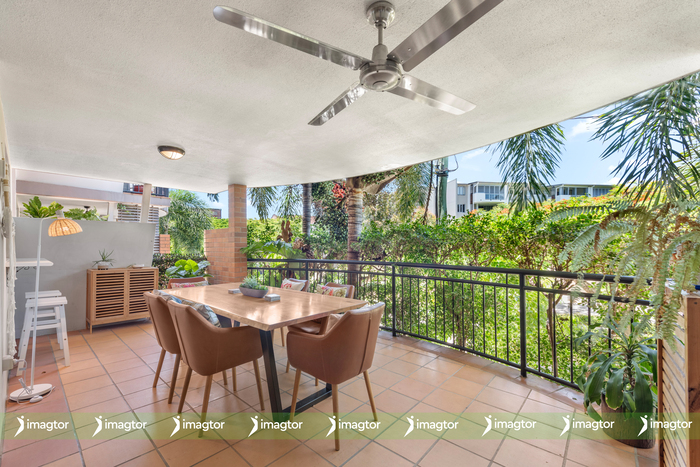
Financially, the benefits are clear. Energy-efficient homes don’t just save on monthly utilities. They also command 2.7% higher resale values compared to standard properties. Furthermore, properties with solar panels can sell for 4.1% more than those without. These numbers confirm what many real estate professionals already see: sustainability sells.
Health and well-being also play a crucial role. Many eco-friendly homes feature non-toxic materials and improved ventilation systems, providing cleaner indoor air – a major draw for families seeking safer living environments.
Key Features of Eco-Friendly Homes
Modern sustainable homes blend cutting-edge technology with mindful design. The following elements define today’s leading eco-friendly properties:
1. Energy Efficiency
- High-Performance Insulation: Reduces heating and cooling costs by up to 50%, improving comfort and energy savings.
- Energy-Efficient Windows: Low-emissivity (Low-E) coatings help households save an average of 13% on annual energy bills.
- LED Lighting: Consumes at least 75% less energy than traditional bulbs and lasts significantly longer.
2. Renewable Energy Integration
- Solar Panels: Homeowners can offset electricity bills and boost resale value. A Zillow analysis found solar-equipped homes sell for 4.1% more.
- Wind Turbines: Suitable for open, rural locations, they can dramatically reduce reliance on the power grid.
3. Sustainable Building Materials
- Recycled and Reclaimed Materials: Using reclaimed wood or recycled metal reduces waste and lowers carbon emissions.
- Bio-Based Materials: Bamboo and hemp regenerate quickly, offering eco-friendly alternatives to traditional construction resources.
4. Water Conservation
- Low-Flow Fixtures: Reduce water use by up to 60%, with minimal impact on performance.
- Rainwater Harvesting Systems: Capture and reuse water for irrigation or household cleaning, easing pressure on municipal supplies.
Economic Benefits of Eco-Friendly Homes
For investors and homeowners alike, eco-friendly homes make solid financial sense.
- Reduced Operating Costs: Energy-efficient HVAC systems can lower heating and cooling expenses by up to 50% (source: This Old House).
- Increased Property Value: Green certifications and sustainable features enhance resale appeal and pricing power.
- Government Incentives: Tax credits, rebates, and grants in many regions help offset upfront costs of green upgrades.
In short, what once seemed like an added expense has become a smart long-term investment.
Challenges and Considerations
Despite clear advantages, the path to widespread adoption isn’t without hurdles:
- Upfront Costs: Sustainable technologies and materials can be more expensive initially.
- Knowledge Gaps: Builders and homeowners may lack technical understanding of implementing green systems efficiently.
- Regulatory Complexity: Building codes and zoning restrictions sometimes slow innovation and adaptation.
Still, the long-term savings and environmental benefits continue to outweigh these challenges, especially as awareness grows and costs decrease.
The Future of Eco-Friendly Homes
The outlook for eco-friendly real estate is overwhelmingly positive. Market forecasts predict the global green building sector will soar to $314.58 billion by 2029, fueled by innovation and policy support. From smart thermostats that optimize energy use to carbon-neutral construction materials, sustainability is fast becoming the new industry standard.
Governments across the globe are also stepping in – offering tax incentives, funding for retrofits, and tighter building efficiency codes. Together, these factors point to a future where every home is designed with sustainability in mind.
Conclusion
The shift toward eco-friendly homes represents more than an environmental choice. It’s a commitment to smarter living, stronger investments, and a sustainable legacy. As a real estate photographer, agent, or developer, understanding and showcasing these green features helps you meet rising buyer expectations while standing out in a competitive market.
If you’re ready to elevate your real estate visuals and highlight sustainable design through expert editing and presentation, Imagtor can help. Transform your property photos into stunning, professional images that bring every eco-conscious detail to life. Start now with a FREE TRIAL + 10% DISCOUNT and make your next listing shine sustainably.
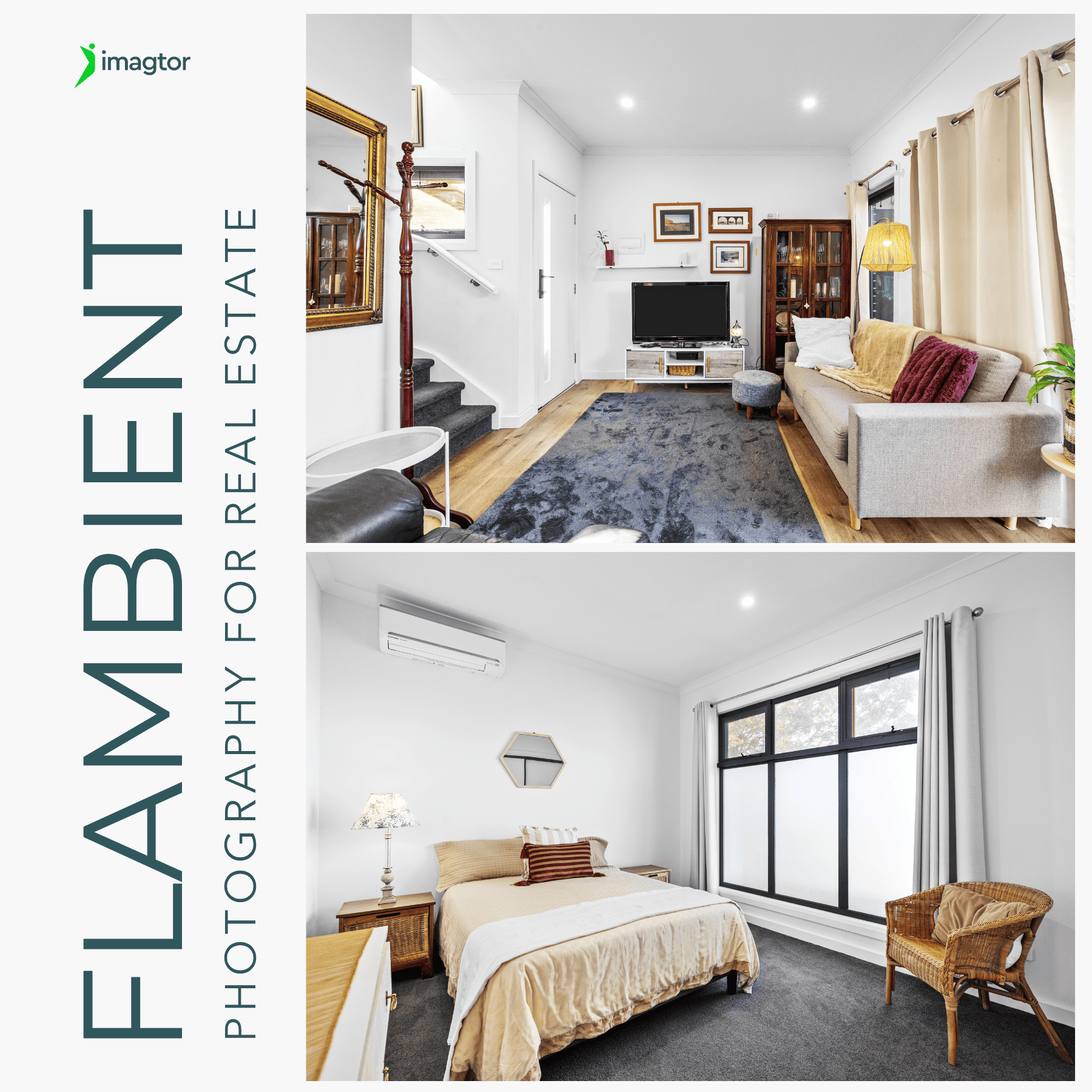
Flambient photography has become the go-to lighting technique for serious real estate photographers in 2026. It combines the natural light range of HDR with the color accuracy of flash, producing interior images that look clean, warm, and genuinely believable without the over-processed look that heavy HDR editing creates. This guide covers what flambient photography actually …

Interior real estate photo editing is where most of the work happens after a shoot. Getting exposure, color, and detail right across a full gallery is what separates listings that actually get clicks from ones that get skipped past. This guide covers the core techniques professionals use, in the order they actually matter, so every …