

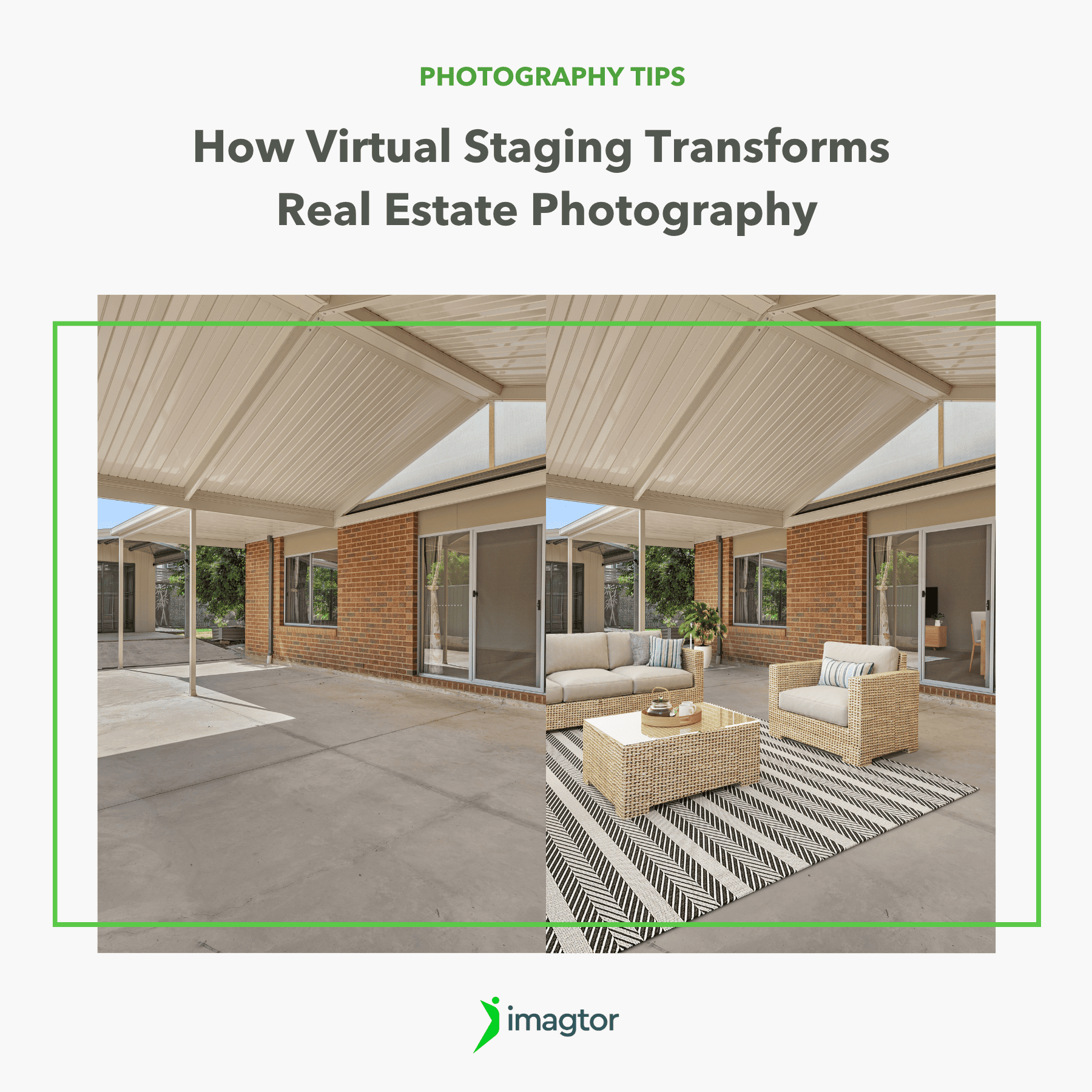
Virtual staging has become a game-changing tool in real estate photography. It allows agents and sellers to present empty or outdated spaces as stylish, move-in-ready homes. By combining creativity and advanced real estate photo editing techniques, virtual staging makes listings stand out, attract more buyers, and sell faster – without the high cost or hassle of physical staging.
Learn how virtual staging is reshaping real estate photography. Discover its benefits, cost savings, and marketing power.
Why Virtual Staging is Changing the Game in Real Estate Photography
In the competitive real estate industry, standing out is no longer optional. It’s essential. With most buyers starting their search online, real estate photography has evolved from simple snapshots into a full-fledged marketing strategy. One of the most impactful innovations in recent years is virtual staging, a real estate photo editing technique that digitally furnishes and decorates empty rooms to make them look inviting, functional, and stylish.
Whether it’s an unfurnished apartment, a newly built home, or a property in need of a facelift, virtual staging offers a fast, affordable, and highly effective way to showcase its full potential. Let’s explore why this trend has become a must-have for agents, sellers, and photographers.
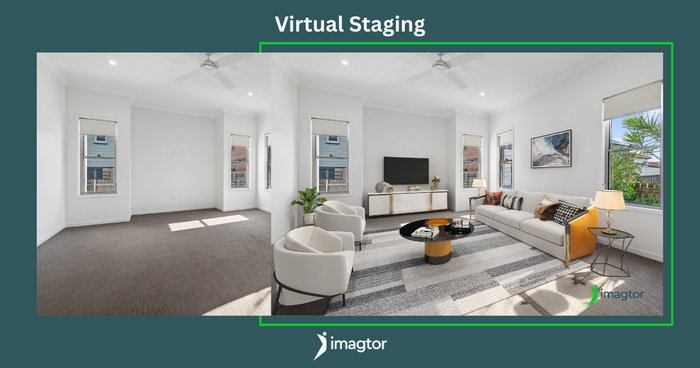
1. Making Empty Spaces Feel Like Home
An empty room can feel cold, lifeless, and hard for buyers to visualize. Virtual staging solves this by adding realistic furniture, decor, and even lighting effects to create a warm and inviting atmosphere.
In real estate photography, this helps potential buyers see the scale of a room, understand its layout, and imagine how they could use the space. This emotional connection is critical. Buyers are far more likely to remember and be drawn to a property that “feels” like home.
With professional real estate photo editing, virtual staging can match the style of the property and target market – whether that’s modern and minimalist for a city loft, or cozy and rustic for a countryside home.
>> Read more: Virtual staging vs Empty rooms: Which sells better?
2. Cost-Effective Alternative to Physical Staging
Physical staging can be expensive and time-consuming. Renting furniture, hiring movers, and coordinating set-up can take days and cost thousands of dollars. Virtual staging, on the other hand, can deliver stunning results in a fraction of the time and at a fraction of the cost.
Instead of waiting for furniture deliveries, real estate photography professionals can shoot the empty space, and editors can digitally add everything needed – sofa sets, artwork, rugs, even plants – to create a picture-perfect listing.
This affordability allows agents to use staging on more listings, not just high-end properties, making virtual staging a valuable tool for any price point.
3. Flexible and Customizable for Any Buyer Profile
Every property appeals to a different type of buyer, and virtual staging allows sellers to tailor the presentation accordingly. A downtown condo might be staged with sleek, modern furniture to attract young professionals. A suburban home could be staged with family-friendly layouts and cozy accents.
Through real estate photo editing, it’s easy to adjust styles, colors, and arrangements to match the target audience – something physical staging can’t do without a major time and cost investment. This customization can significantly improve the effectiveness of your real estate photography marketing efforts.
4. Faster Turnaround for Listings
In today’s fast-paced market, timing matters. Virtual staging allows properties to be photographed, edited, and listed within days, instead of waiting weeks for physical staging.
For agents juggling multiple listings, this means more properties can go live faster, catching the attention of buyers before competing homes do. Combined with professional real estate photography, staging gives listings a polished, high-end look without the wait.
5. Driving More Online Engagement
Listings with virtual staging consistently receive more clicks, shares, and inquiries than those with empty or poorly staged photos. The vibrant, well-designed interiors grab attention on listing sites, social media, and marketing brochures.
In a world where buyers often browse dozens of homes in a single sitting, that extra attention can make all the difference. With strong real estate photo editing, the final images look so realistic that many viewers don’t even realize the staging is virtual – yet it still sparks the same emotional appeal as a physically staged property.
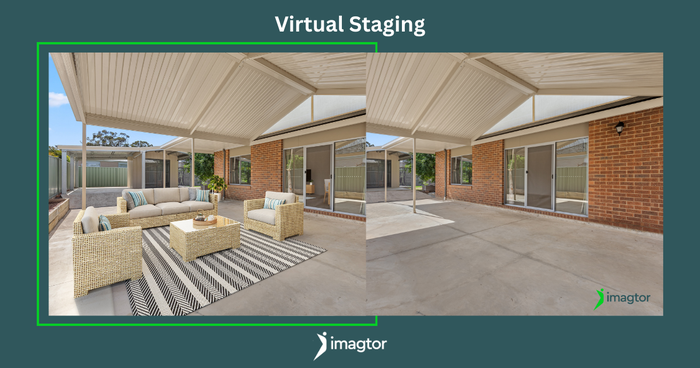
The Psychology Behind Virtual Staging’s Success
At its core, virtual staging works because it bridges the gap between imagination and reality. Many buyers struggle to see the potential of an empty or outdated space. By presenting a fully furnished version, real estate photography taps into the buyer’s emotions, helping them envision their future life there.
When combined with high-quality real estate photo editing, the transformation can be dramatic – turning an overlooked listing into a must-see property.
Best Practices for Effective Virtual Staging
To get the most out of virtual staging, keep these tips in mind:
- Start with high-resolution images for crisp, realistic results.
- Match the style to the property and target buyer demographic.
- Avoid over-staging – too much furniture can make spaces look smaller.
- Maintain realism – lighting, shadows, and proportions should be natural.
When done correctly, staging enhances rather than distracts, making the property’s true features shine.
Virtual staging is more than a passing trend. It’s a powerful tool in modern real estate photography that helps properties sell faster, for better prices, and with greater buyer interest. By leveraging advanced real estate photo editing, sellers and agents can present their listings in the best possible light without the expense and hassle of traditional staging.
Want to give your listings a competitive edge? Imagtor provides professional virtual staging services that bring empty spaces to life with stunning, realistic designs. Our expert team combines creativity with precision real estate photo editing to deliver results that attract more buyers and close deals faster. Contact us to get your FREE TRIAL and 10% BULK DISCOUNT!
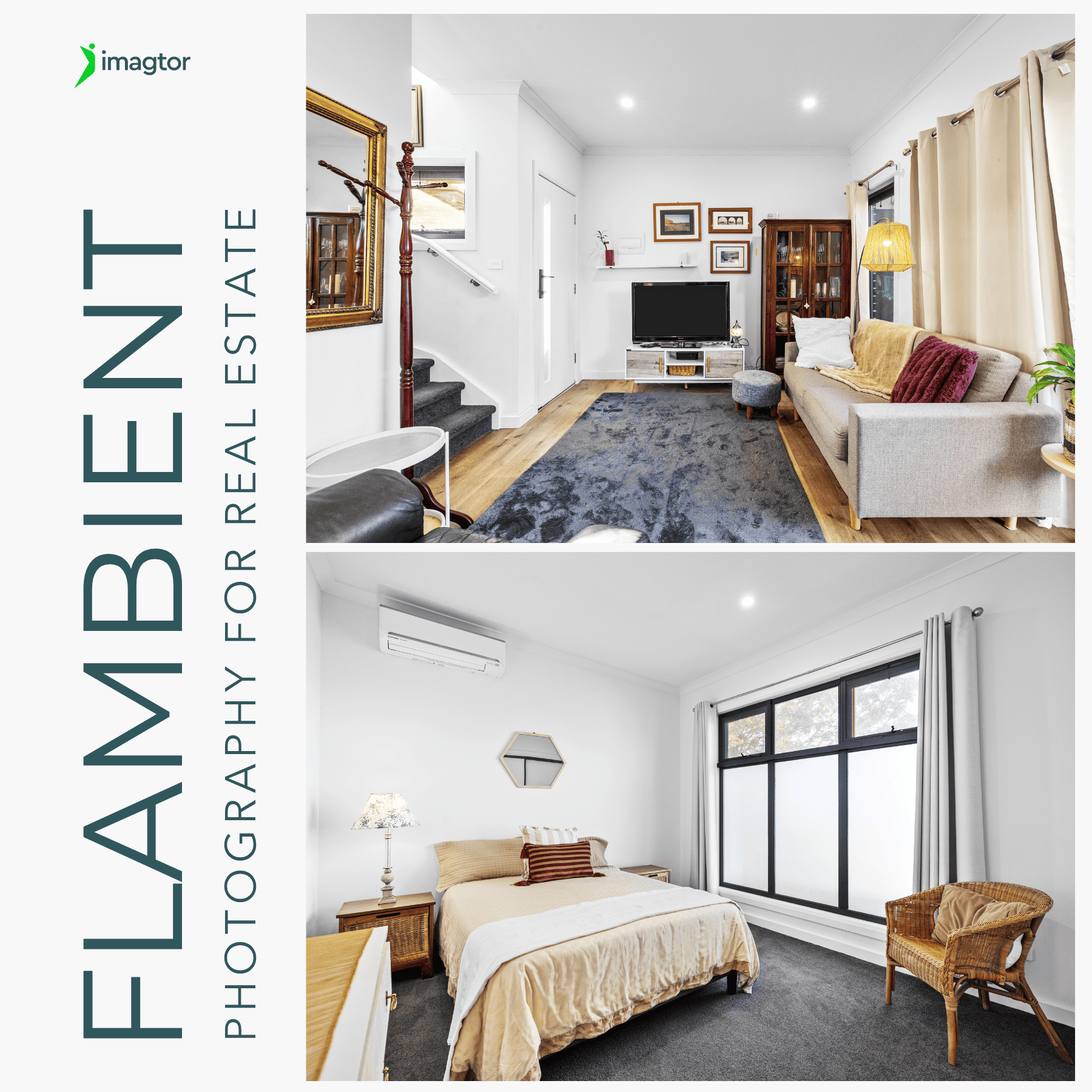
Flambient photography has become the go-to lighting technique for serious real estate photographers in 2026. It combines the natural light range of HDR with the color accuracy of flash, producing interior images that look clean, warm, and genuinely believable without the over-processed look that heavy HDR editing creates. This guide covers what flambient photography actually …

Interior real estate photo editing is where most of the work happens after a shoot. Getting exposure, color, and detail right across a full gallery is what separates listings that actually get clicks from ones that get skipped past. This guide covers the core techniques professionals use, in the order they actually matter, so every …