

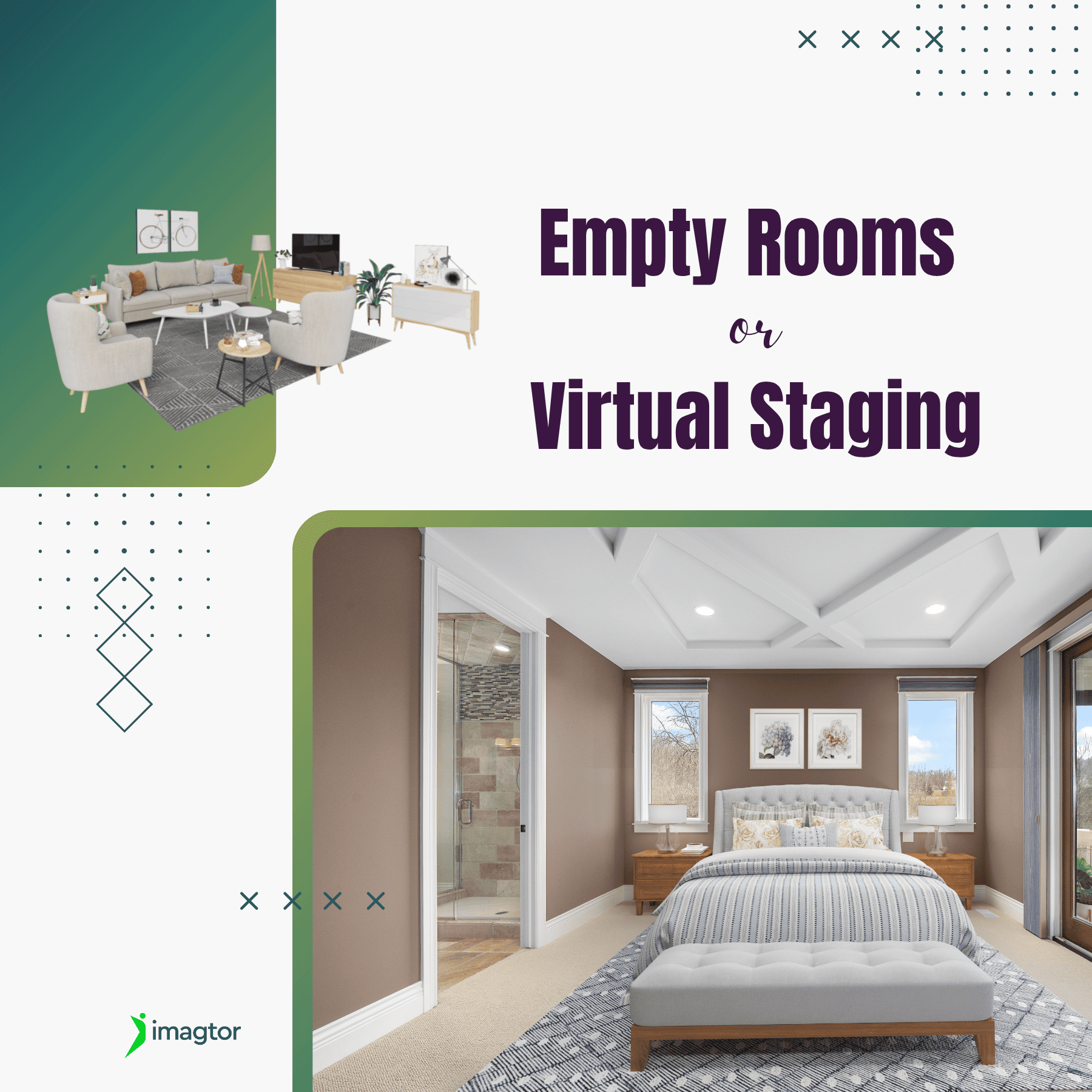
Virtual staging has become one of the most practical tools in property marketing, helping vacant spaces feel warmer and easier for buyers to connect with. But empty room photos still have their place. Knowing when to use each approach can make a real difference to how a listing performs.
Why empty rooms can be challenging for property listings
An empty room gives buyers a clear view of the space, but it leaves a lot to the imagination.
Most buyers struggle to judge room size without furniture as a reference. A generous living area can look smaller than it really is, and a bare bedroom gives little sense of how the space actually works. Online, this matters even more. Buyers scroll through listings fast, and empty rooms rarely hold attention the way furnished spaces do. A room that looks beautiful in person can fall flat in photos if there is nothing to give it warmth or context.
Why some agents still use empty room photos
Even with the rise of virtual staging, many agents still choose to list with empty rooms, and there are good reasons for that.
Cost is one. Shooting an empty property is straightforward and does not require any extra preparation. Some recently renovated homes also look strong without furniture because the finishes and architecture carry the photos on their own.
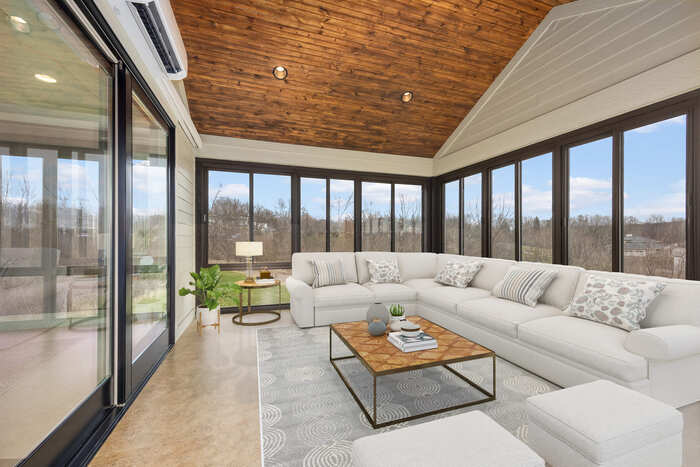
There are also buyers who prefer seeing the raw space. Investors and developers in particular often want to assess the room without any visual additions. For them, empty room photos are the more useful option.
Empty rooms are not the wrong choice by default. The question is whether they are the right choice for that specific property and buyer.
How virtual staging changes the way buyers see a property
This is where virtual staging earns its place.
Furniture, decor, and accessories help buyers understand how a room could be used. A vacant corner becomes a reading nook. A bare bedroom becomes a space someone can actually picture sleeping in. According to NAR’s 2025 Profile of Home Staging, 83% of buyers’ agents say staging helps buyers visualise a property as a future home.
Virtual furniture also gives rooms a clear sense of scale. Buyers can judge how large the space is and whether their own furniture would fit comfortably.
For online listings, the impact shows up in the numbers. Listings with virtual staging achieve a click-through rate of 3.5% to 4.5%, compared to 1.8% to 2.2% for empty room listings. That is nearly 90% higher. On portals that factor engagement into search rankings, that difference compounds over time.
A well-staged image can make a room feel:
- More inviting and easier to imagine living in
- Better proportioned and easier to read
- More functional, with a clear purpose for each space
Comparing empty rooms and virtual staging
| Factor | Empty rooms | Virtual staging |
|---|---|---|
| Visual appeal | Moderate | High |
| Helps buyers imagine the space | Limited | Strong |
| Cost | Lower | Affordable ($15–$30 per image) |
| Flexibility | Limited | High |
| Online engagement | Moderate | Up to 90% higher CTR |
| Best for | Investors, premium architecture | Most vacant residential listings |
Which rooms benefit most from virtual staging
Some rooms respond to virtual staging much better than others.
Living rooms benefit the most. NAR data shows that 46% of buyers consider the living room the most important room to be staged, more than any other space. Without furniture, large living areas can feel cold and directionless.
Bedrooms are the second priority. Once a bed and basic furniture are added, buyers immediately understand the size and function of the room. An empty bedroom gives very little of that context.
Home offices have become a strong selling point for many buyers. An empty spare room with no clear purpose is a missed opportunity. Staged as a workspace, it can become one of the more compelling rooms in the listing.
Dining areas and open-plan spaces also benefit significantly. Furniture defines zones and helps buyers understand how different areas within the same space connect and flow.
>> Read more: The Ultimate Guide to Virtual Staging Styles That Sell Homes
When empty rooms may still be the better choice
Virtual staging is not always the right call.
Luxury properties with high-end finishes, custom joinery, or exceptional architecture can hold attention on their own. Adding generic staged furniture to these homes can actually distract from what makes them stand out.
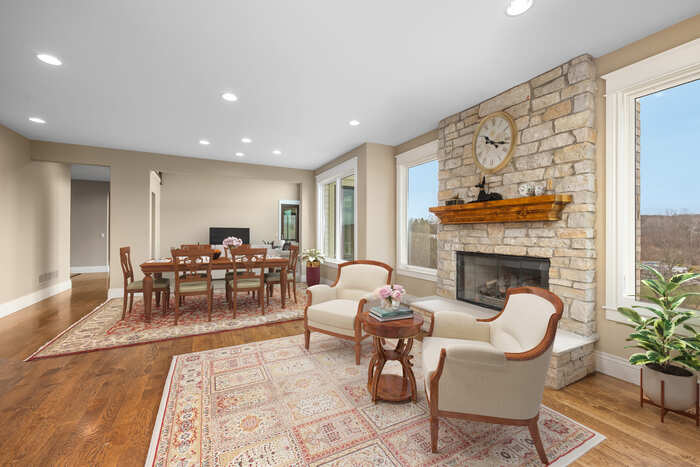
Recently renovated homes are similar. If the renovation is the selling point, buyers often want to see the results clearly without anything added on top.
Investor and developer buyers are another case. They are assessing structure, floor space, and potential return, not trying to picture living there. Empty photos serve this audience better.
The right choice depends on the property and who is most likely to buy it.
Virtual staging mistakes that can hurt a listing
Poor virtual staging can do more harm than good. Buyers may not always pinpoint what feels off, but they notice when something looks unnatural, and it reduces trust in the listing.
The most common problems:
- Wrong furniture scale. Pieces that are too large or too small make the room feel distorted and the staging feels fake.
- Mismatched style. Industrial furniture in a heritage home, or rustic timber in a sleek city apartment, creates a disconnect that buyers pick up on immediately.
- Overcrowded rooms. Filling every corner with furniture makes spaces feel smaller, not larger.
- Shadows that do not match. If the light direction on the furniture does not match the light in the original photo, the staging looks pasted in rather than placed there.
- Furniture blocking key features. Staged pieces should draw attention to the room, not cover the fireplace, window view, or architectural detail that makes it worth looking at.
Good virtual staging should feel like the room was always furnished that way.
Getting the best results from virtual staging
Realistic virtual staging starts with the quality of the original photo.
The source image needs to be properly exposed, with straight verticals and no clutter left in the frame. The better the base photo, the more natural the staged furniture looks in the final image. A dark, distorted, or poorly composed photo makes it much harder for editors to produce a convincing result.
Furniture style matters too. A modern apartment and a family home in the suburbs need completely different staging approaches. The goal is to help buyers imagine themselves in the space, not to create something that looks like a catalogue shoot.
>> Read more: Best virtual staging software for real estate in 2026
Why professionally edited photos make virtual staging look more realistic
Virtual staging works best when the base photos are already professionally edited. This is a step that often gets skipped, and it shows in the final result.
Common problems in the source image, such as blown-out windows, crooked walls, inconsistent colour, or leftover clutter, make it harder for staged furniture to blend naturally. When these are fixed first, the staged images look like they belong in the room rather than sitting on top of it.
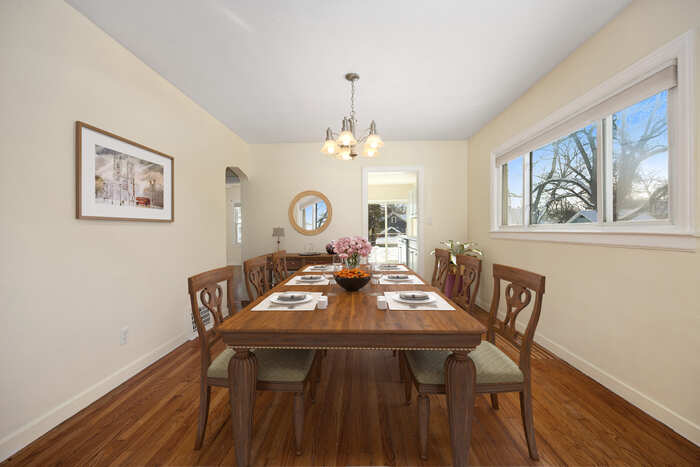
Professional editing that supports good virtual staging includes:
- Exposure correction and HDR blending
- Perspective correction for straight verticals
- Window pull editing for natural-looking outdoor views
- Colour grading for consistency across the gallery
- Object and clutter removal before staging is applied
At Imagtor, properly edited base photos consistently produce more realistic staging results and a more polished final gallery.
Helping buyers connect with empty spaces
Empty rooms are not always a problem, but for most vacant residential listings, they make it harder for buyers to picture themselves living in the home.
Virtual staging bridges that gap. It adds warmth, scale, and function to spaces that would otherwise feel unfinished, and it does so at a fraction of the cost of physical staging. When the base photography is solid, virtually staged photos are one of the most effective ways to improve how a vacant listing performs online.
Empty rooms do not always show a property’s full potential. Imagtor helps photographers and agents create realistic virtual staging and professional photo edits that make vacant spaces feel more inviting.
Start today with a FREE TRIAL and get a 10% BULK DISCOUNT on your first order.
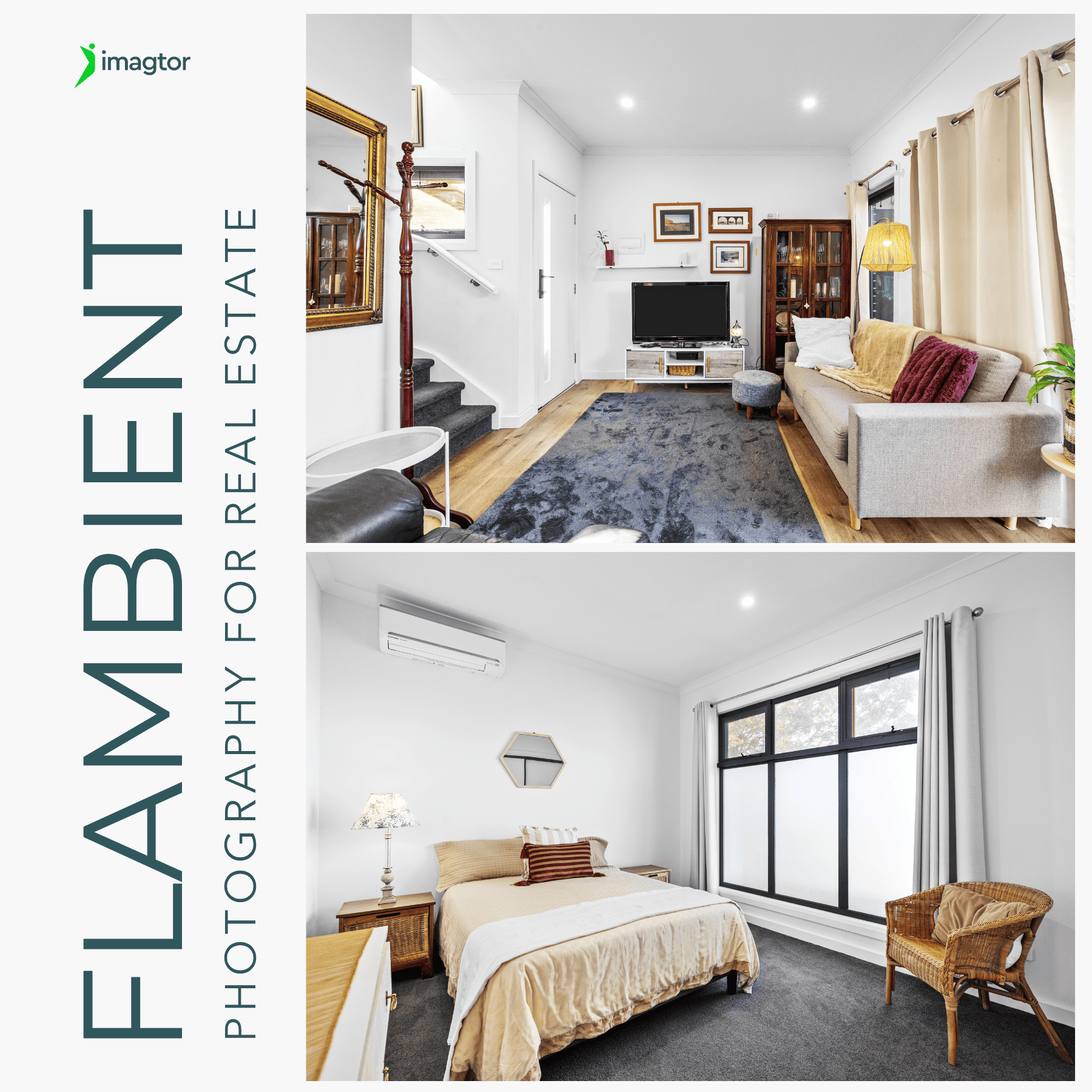
Flambient photography has become the go-to lighting technique for serious real estate photographers in 2026. It combines the natural light range of HDR with the color accuracy of flash, producing interior images that look clean, warm, and genuinely believable without the over-processed look that heavy HDR editing creates. This guide covers what flambient photography actually …

Interior real estate photo editing is where most of the work happens after a shoot. Getting exposure, color, and detail right across a full gallery is what separates listings that actually get clicks from ones that get skipped past. This guide covers the core techniques professionals use, in the order they actually matter, so every …