

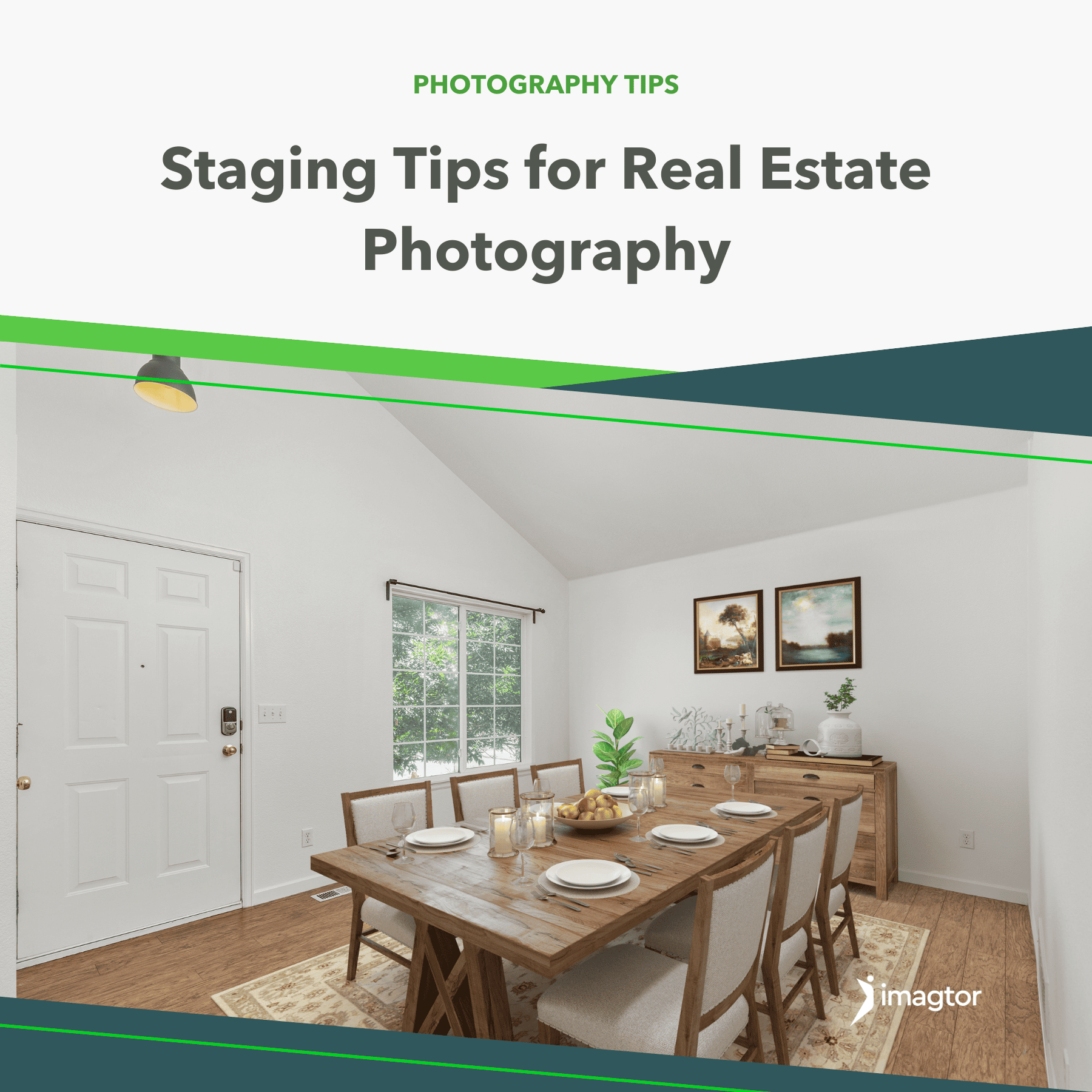
In real estate photography, staging is what transforms an ordinary property into a standout listing. According to the National Association of Realtors (NAR), 83% of buyers’ agents say staging helps clients visualize a property as their future home, and staged homes sell 73% faster on average. It’s more than décor – it’s psychology. The right setup allows buyers to picture themselves living in the space. For real estate photographers, mastering staging techniques means delivering photos that are not only beautiful but also drive faster, higher-value sales.
1. Declutter and Depersonalize for Maximum Appeal
Before a single photo is taken, the property must be stripped of clutter and personal items. Clutter makes spaces feel cramped and chaotic, while personal items prevent potential buyers from mentally moving in. A clean, neutral space allows viewers to focus on the property itself rather than the current homeowner’s belongings.
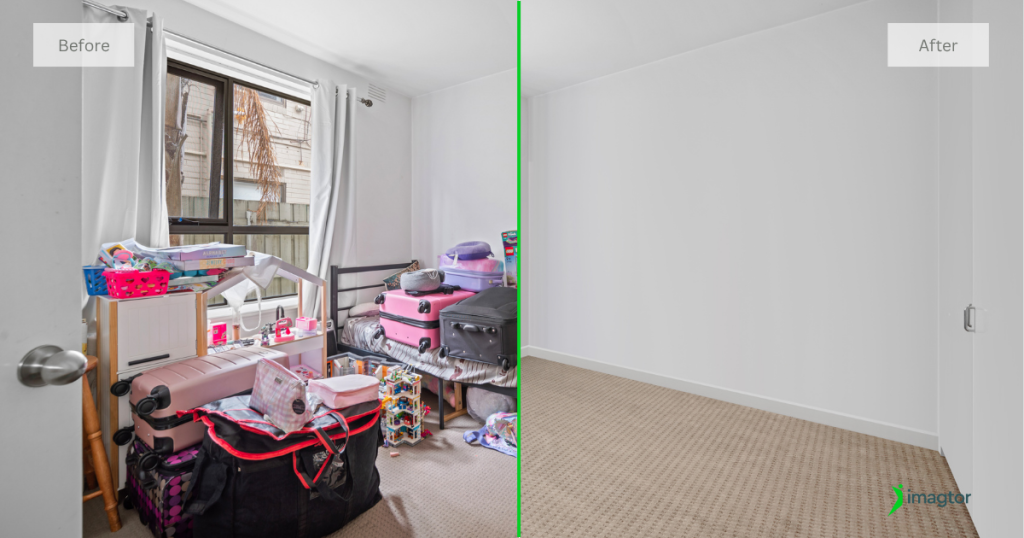
Actionable Steps to Declutter and Depersonalize:
- Remove oversized and excess furniture – If a room feels crowded, it looks smaller in photos. Temporarily remove bulky items to create a sense of openness.
- Keep surfaces minimal – Kitchen countertops should have only essential decorative elements, like a stylish bowl of fresh fruit or a neatly arranged coffee station.
- Pack away personal memorabilia – Family photos, diplomas, trophies, and kids’ artwork can make a home feel too lived-in. Store them away to create a neutral, inviting atmosphere.
- Declutter shelves and closets – Overstuffed bookshelves and overflowing closets suggest inadequate storage space. Neatly arrange books, reduce decorative items, and organize closets to showcase spaciousness.
- Conceal electronics and cables – Visible wires, game consoles, and multiple remote controls create visual noise. Hide cables behind furniture and remove excessive tech gadgets from sight.
- Eliminate pet-related items – While many buyers love animals, pet beds, food bowls, and litter boxes can be off-putting in photos. Ensure they are stored away before the shoot.
These staging techniques make homes feel open and move-in ready, exactly what buyers want to see in listing photos.
>>> Read more: Decluttering Photo Editing: Why a Clean Image Sells Homes Faster
2. Harness Natural Light to Enhance the Space
Lighting is one of the most critical elements in real estate photography. The way natural light interacts with a room affects its perceived size, warmth, and overall appeal. Natural light brings a welcoming ambiance and makes interiors appear larger and more inviting, while balanced artificial light ensures even illumination in darker spaces.
Techniques for Optimal Lighting:
- Open all curtains and blinds – Natural light floods a room with warmth, making it feel more inviting. Sheer curtains can help diffuse harsh sunlight while still allowing brightness.
- Turn on all interior lights – Even in daylight shots, turning on artificial light sources like lamps and ceiling lights ensures even lighting and eliminates dark corners.
- Replace outdated lightbulbs – Use daylight-balanced bulbs (5000K) to create a bright, neutral white light that enhances natural tones in the space.
- Strategically position lamps – If certain areas appear dim, place floor or table lamps to balance natural and artificial light distribution.
- Avoid overly bright or dark contrasts – Harsh direct sunlight can create unflattering shadows, so adjust blinds or use diffusers to soften the natural light.
Professional real estate photographers know that lighting can make or break a shot. Combining natural and artificial light effectively brings warmth and realism to every room.
3. Elevate Curb Appeal for Captivating Exterior Shots
The exterior is often the first thing potential buyers see in listings, making curb appeal a major factor in first impressions. A well-maintained exterior signals that the property has been cared for and invites buyers to explore further.
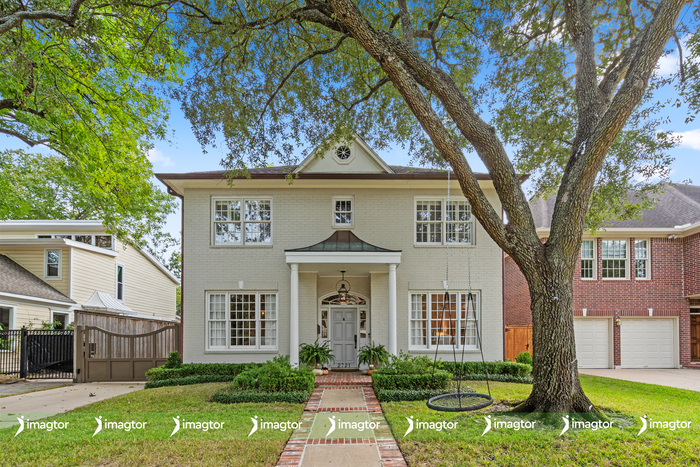
Steps to Improve Exterior Appeal:
- Mow the lawn and trim hedges – Overgrown landscaping makes a home look neglected. A manicured lawn enhances the home’s overall appearance.
- Clear driveways and pathways – Remove cars, bicycles, trash bins, and any obstructions from the driveway and front entrance to maintain a clean, open look.
- Power wash walkways and siding – Dirt and grime buildup can make a home appear dull. A quick power wash refreshes surfaces and adds vibrancy.
- Upgrade the front door area – A fresh coat of paint on the door, a stylish welcome mat, and potted plants by the entrance create an inviting atmosphere.
- Ensure outdoor lighting is functional – Proper artificial light enhances evening shots and improves security appeal. Replace any burned-out bulbs in porch or landscape lighting.
Well-composed exterior real estate photos can significantly boost online engagement. Buyers often make snap decisions based on these first few images, so capturing strong curb appeal is essential.
4. Arrange Furniture Strategically for Optimal Composition
The way furniture is arranged impacts how a room is perceived. Thoughtful placement guides the viewer’s eye and enhances a room’s spaciousness. Proper staging through strategic furniture layout makes real estate photography look polished and inviting.
Best Practices for Furniture Staging:
- Maintain open pathways – Ensure furniture placement doesn’t obstruct walkways or create a cramped look.
- Position chairs and sofas at angles – Angled seating arrangements add dimension and lead the viewer’s gaze through the room.
- Remove unnecessary furniture – If a room feels cluttered, take out excess seating, tables, or décor to create an airy feel.
- Use symmetry for balance – Matching lamps, nightstands, or chairs create a sense of order and harmony in real estate photos.
When furniture is arranged with care, rooms appear larger, more functional, and more desirable – exactly what helps listings stand out.
5. Perfect Every Small Detail Before the Shoot
Tiny imperfections can detract from the overall impression of a home. Attention to detail ensures the final real estate photography looks flawless and professional.
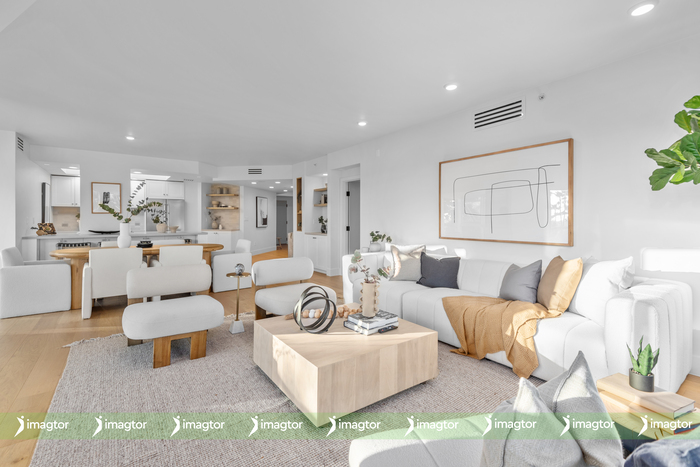
Detail-Oriented Staging Tips:
- Fluff pillows and smooth bedding – Wrinkled sheets or lumpy pillows can make a bedroom look untidy.
- Align blinds and curtains evenly – Uneven window coverings can make a room look sloppy and unbalanced.
- Close all toilet seats – This small but important detail enhances the professionalism of bathroom shots.
- Wipe down all surfaces – Dust, fingerprints, and smudges on countertops, mirrors, or glass surfaces are highly visible in high-resolution real estate photos.
Buyers notice small things, even in photos. Maintaining these details makes your work as a real estate photographer appear meticulous and high-end.
6. Enhance the Space with Natural Elements
Adding fresh, natural elements such as plants and flowers can breathe life into a space and make it feel more welcoming.
How to Use Greenery Effectively:
- Place fresh flowers in key areas – Dining tables, kitchen counters, and coffee tables benefit from a touch of floral elegance.
- Use small potted plants for warmth – Succulents, ferns, or orchids make spaces feel fresh without overwhelming the décor.
- Avoid artificial plants that look overly fake – Real or high-quality faux plants are preferable over cheap plastic ones.
Greenery brings texture, color, and warmth – helping every real estate photo feel vibrant and inviting.
Conclusion
Staging is one of the most powerful tools a real estate photographer can use to elevate listings and attract buyers. When done right – through decluttering, optimizing natural and artificial light, and focusing on every detail – it helps homes sell faster and at better prices.
Strong real estate photography staging isn’t just about aesthetics; it’s about understanding what inspires buyers and delivering visuals that help them imagine their future home.
Ready to create listing photos that capture attention and drive faster sales? Partner with Imagtor for expertly edited real estate photography that brings out every property’s best features. Start your FREE TRIAL + 10% DISCOUNT today and see how professional photo enhancement transforms your listings.
Professional photo editing software is basically the backbone of every photographer’s post-production work. Knowing what tools others are actually using, and why they stick with them, helps you make better decisions for your own setup without going through the trial-and-error yourself. Why your choice of photo editing software matters It is not just about features. …
Real estate video editing for Reels and Shorts follows different rules from a standard listing walkthrough. Pacing, format, and visual clarity all need to match how people actually watch on mobile. This guide covers what makes short-form property videos work on Instagram, YouTube, Tiktok and Facebook. Why Reels and Shorts work differently from listing videos …