


In the competitive world of real estate photography, your portfolio is the first handshake with potential clients – and for real estate agents, it’s the deciding factor in choosing who can best represent their listings. A strong portfolio not only highlights your technical skill and artistic style but also proves that you understand what real estate agents need: clear, compelling, and high-converting visuals. By curating your best work, aligning it with agent expectations, and keeping your portfolio current, you position yourself as a trusted photography partner who helps real estate agents sell faster and stand out in a crowded market.
Here’s a step-by-step guide to building a portfolio that wins over real estate agents and keeps them coming back for more.
1. Understand What Real Estate Agents Look For
Before you start assembling your portfolio, it’s essential to understand your audience. Real estate agents want photographs that:
- Highlight the property’s best features.
- Make spaces look bright, spacious, and inviting.
- Accurately represent the property while enhancing its appeal.
- Follow industry standards for composition and editing.
Take time to research the style and preferences of agents in your target market. Look at listings in your area and take note of the common trends in real estate photography.
2. Focus on Quality Over Quantity
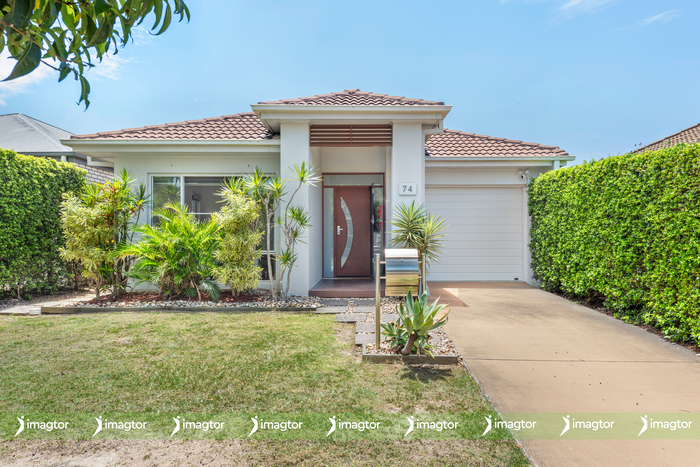
Your portfolio should highlight your best work, not all your work. A handful of stunning, well-edited images will impress potential clients far more than dozens of average photos. Include 15-20 high-quality images that represent a variety of property types and styles, such as:
- Luxury homes.
- Apartments or condos.
- Commercial spaces.
- Exteriors, interiors, and twilight shots.
This variety demonstrates your versatility and ability to adapt to different projects.
3. Showcase Your Technical Skills
Real estate agents want to see that you’re skilled in key areas of photography. Include images that demonstrate:
- Proper lighting: Showcase your ability to handle natural light, artificial light, and HDR techniques.
- Strong composition: Highlight your understanding of angles, framing, and leading lines to create visually appealing shots.
- Attention to detail: Ensure everything in the frame is clean and well-staged, with no distracting clutter or imperfections.
If you have experience with advanced techniques like aerial drone photography or virtual staging, include examples to further enhance your portfolio.
4. Highlight Before-and-After Comparisons
Real estate agents appreciate seeing how your photography can transform a property. Include a few before-and-after comparisons to showcase the difference your skills make. For example, you can demonstrate how proper lighting, editing, and staging bring a space to life.
5. Include Twilight and Aerial Shots
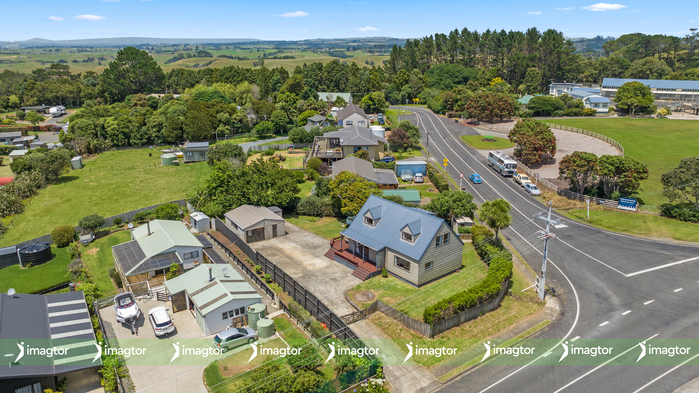
Twilight photography and drone shots are highly sought-after services in real estate. They add a dramatic and unique perspective to listings, making properties stand out. Adding these types of images to your portfolio can set you apart from competitors and position you as a full-service photographer.
>>> Read more: Day to Dusk Is a Game-Changer for Real Estate Photography
>>> Read more: Drone Photography: Capturing More Than Just Homes
6. Organize Your Portfolio Strategically
Your portfolio should be easy to navigate and visually engaging. Organize it into categories or sections, such as:
- Interiors.
- Exteriors.
- Drone Photography.
- Twilight Shots.
A clean, well-structured portfolio helps potential clients quickly find what they’re looking for and leaves a professional impression.
7. Optimize Your Online Portfolio

In today’s digital age, most real estate agents will view your portfolio online. Make sure your website or online portfolio platform is:
- Mobile-friendly: Many clients will browse your portfolio on their phones.
- Fast-loading: High-resolution images should load quickly without sacrificing quality.
- SEO-optimized: Use relevant keywords like “real estate photographer in [your city]” to attract local clients.
8. Include Client Testimonials and Case Studies
A winning portfolio doesn’t just showcase your work. It highlights the results you’ve delivered for clients. Include short testimonials from happy clients or brief case studies that explain how your photography helped sell a property faster or at a higher price.
9. Regularly Update Your Portfolio
Your portfolio is a living document that should evolve as your skills and experience grow. Regularly update it with your latest and best work, and remove older images that no longer represent your current abilities.
10. Create a PDF Version for Easy Sharing
In addition to your online portfolio, create a PDF version that’s easy to share via email or download. This ensures real estate agents can quickly review your work, even when offline. Keep it clean, professional, and branded with your logo and contact information.
Ready to turn your portfolio into a lead-generating machine? Partner with Imagtor for professional photo editing, consistent quality, and fast delivery. Start now with a FREE TRIAL + 10% DISCOUNT and let your best work shine.
Professional photo editing software is basically the backbone of every photographer’s post-production work. Knowing what tools others are actually using, and why they stick with them, helps you make better decisions for your own setup without going through the trial-and-error yourself. Why your choice of photo editing software matters It is not just about features. …
Real estate video editing for Reels and Shorts follows different rules from a standard listing walkthrough. Pacing, format, and visual clarity all need to match how people actually watch on mobile. This guide covers what makes short-form property videos work on Instagram, YouTube, Tiktok and Facebook. Why Reels and Shorts work differently from listing videos …