
What professional editors change in commercial photo editing before and after

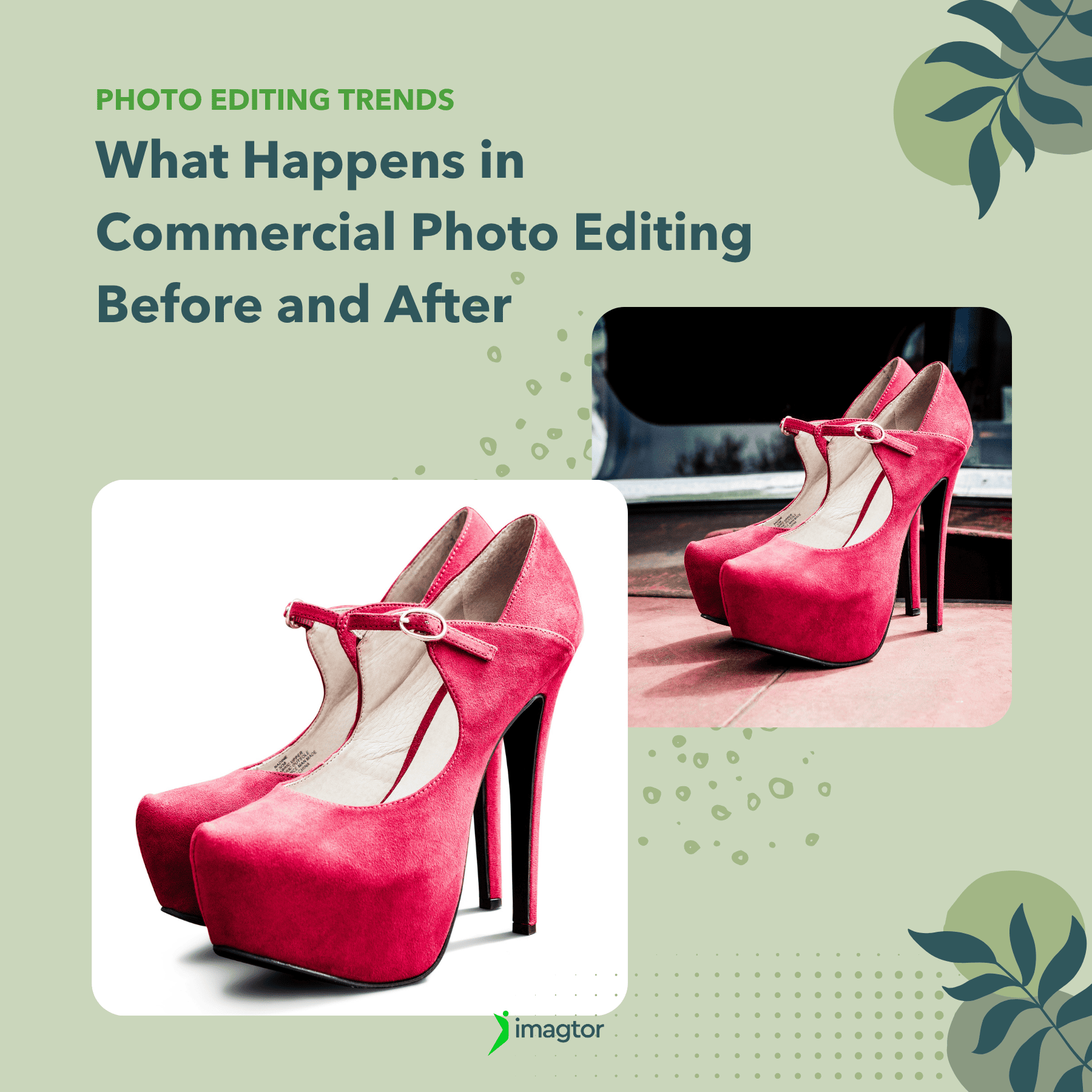
Many people look at before-and-after examples of commercial photo editing and assume the changes are simple. In reality, professional editors often make dozens of small adjustments that work together to improve the final image. From cleaning up distractions to matching brand colors, commercial photo editing plays a big role in how products and marketing visuals are presented online.
What makes before-and-after examples so powerful
Before-and-after images work because the difference is easy to see immediately. A product may look almost the same at first glance, but the edited version usually feels cleaner, sharper, and more polished.
That difference often comes from small adjustments rather than dramatic effects. Good commercial photo editing is designed to improve the image without making the edits obvious.
In many cases, viewers only notice the result. They do not notice the dust that was removed, the colors that were corrected, or the shadows that were balanced.
Cleaning up distractions viewers never notice
One of the first things professional editors do is remove distractions that pull attention away from the subject.
Common fixes include:
- Dust particles
- Scratches
- Fingerprints
- Sensor spots
- Packaging defects
These details may seem minor, but they can make products look less professional and lower perceived quality.
For example, a fingerprint on a cosmetic bottle or a small scratch on an electronics product can stand out once the image is viewed on a large screen or zoomed in on an e-commerce site.
Clean product images help brands look more polished and trustworthy.
Background removal and background cleanup
Background work is one of the most common forms of commercial photo editing. Many e-commerce platforms require clean, distraction-free backgrounds so the product remains the focus.
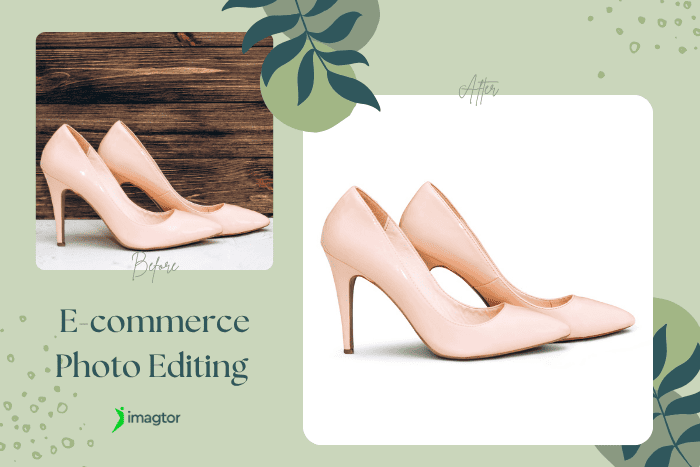
Editors often create:
- Pure white backgrounds
- Transparent backgrounds
- Consistent studio-style backgrounds
This is especially important for platforms like Amazon, Shopify, and product catalogs where uniform presentation matters.
Background cleanup also includes removing wrinkles, seams, unwanted shadows, or objects that accidentally appeared during the shoot. Even a small crease in a backdrop can make a product image look less professional.
Color correction and color matching
Color correction is one of the most important parts of product photo editing. Products need to look accurate and consistent across all images.
Without proper correction, products may appear:
- Too warm
- Too cool
- Overly saturated
- Different between images in the same catalog
This becomes a major issue for industries like fashion, furniture, cosmetics, and electronics where customers expect colors to match what they receive.
Professional editors adjust white balance, saturation, and tone carefully so products look natural and consistent. They also compare images within a catalog to ensure the same product color appears identical across multiple photos.
Improving lighting and exposure for commercial photo editing
Many before-and-after examples show brighter photos, but professional editing involves more than simply increasing brightness.
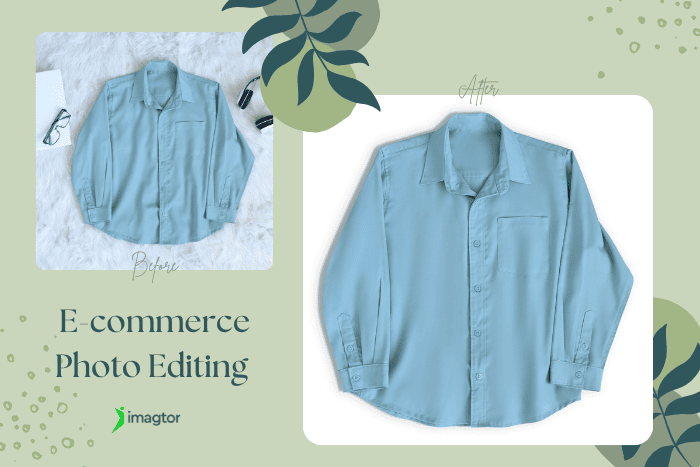
Editors balance:
- Shadows
- Highlights
- Contrast
- Midtones
- Overall visibility
The goal is to make the product clear and appealing while keeping the image realistic. Over-brightening can flatten textures and make products look artificial.
For example, a leather bag should still show texture and depth after editing. Good exposure correction enhances the product without removing its natural details.
Creating realistic shadows and reflections
A lot of people do not realize that shadows are often adjusted or recreated during commercial photo editing.
Natural-looking shadows help products feel grounded and realistic. Without them, items can appear flat or floating unnaturally against the background.
Editors may enhance:
- Soft shadows under products
- Subtle reflections on glossy surfaces
- Consistent shadow direction across a catalog
For luxury products and high-end catalogs, reflections and shadow control can significantly improve the premium feel of the image.
Retouching products without making them look fake
Retouching is important, but over-editing can create unrealistic expectations for customers.
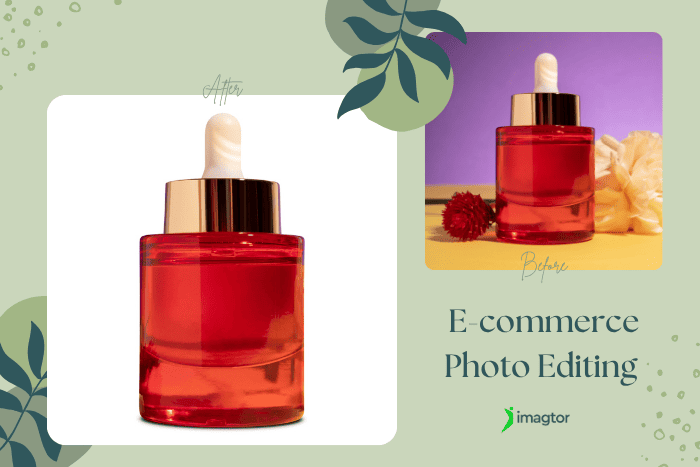
Professional editors usually remove temporary imperfections such as:
- Dust
- Minor wrinkles
- Lint
- Small manufacturing marks
However, they avoid changing the product so much that it no longer looks accurate. Customers expect online images to represent the real product, and overly retouched photos can lead to disappointment or returns.
Good commercial photo editing improves presentation while keeping the product believable.
Keeping product images consistent across a catalog
Consistency is one of the biggest challenges in e-commerce and commercial photography. A single brand may have hundreds or thousands of product images that need to look unified.
Professional editors maintain consistency by standardizing:
- Backgrounds
- Color tones
- Shadow style
- Image dimensions
- Product positioning
This is especially important for:
- Fashion collections
- Furniture stores
- Cosmetic brands
- Large e-commerce catalogs
Consistent images create a cleaner shopping experience and help strengthen brand identity.
Why commercial photo editing is not just about making images look better
Strong commercial photo editing is not only about aesthetics. It also supports business goals.

Well-edited images can help:
- Build brand trust
- Improve product presentation
- Increase customer confidence
- Support conversion performance
Customers are more likely to engage with products that look clean, clear, and professionally presented. In crowded online marketplaces, image quality can strongly influence first impressions.
What professional editors actually focus on
Professional editors usually focus on practical questions rather than dramatic transformations. They ask:
- Does the product look accurate?
- Is the image clean and distraction-free?
- Does it match the rest of the catalog?
- Will customers clearly understand what they are buying?
This approach often creates the strongest before-and-after results because the edits improve clarity and consistency without looking artificial.
Commercial photo editing is often about the small details
The best before-and-after examples are rarely the most dramatic. They are usually the ones where the product looks cleaner, more consistent, and more professional without obvious signs of editing.
Strong commercial photo editing helps brands present products clearly, maintain catalog consistency, and create a better shopping experience for customers.
Whether you are managing product catalogs, e-commerce listings, or marketing campaigns, professional commercial photo editing can help your images look cleaner, more consistent, and ready for customers.
Imagtor provides professional photo editing services for brands, retailers, and photographers.
Start today with a FREE TRIAL and 10% DISCOUNT.

Professional photo editing software is basically the backbone of every photographer’s post-production work. Knowing what tools others are actually using, and why they stick with them, helps you make better decisions for your own setup without going through the trial-and-error yourself. Why your choice of photo editing software matters It is not just about features. …

Real estate video editing for Reels and Shorts follows different rules from a standard listing walkthrough. Pacing, format, and visual clarity all need to match how people actually watch on mobile. This guide covers what makes short-form property videos work on Instagram, YouTube, Tiktok and Facebook. Why Reels and Shorts work differently from listing videos …