
How professional brands maintain consistent SKU product images

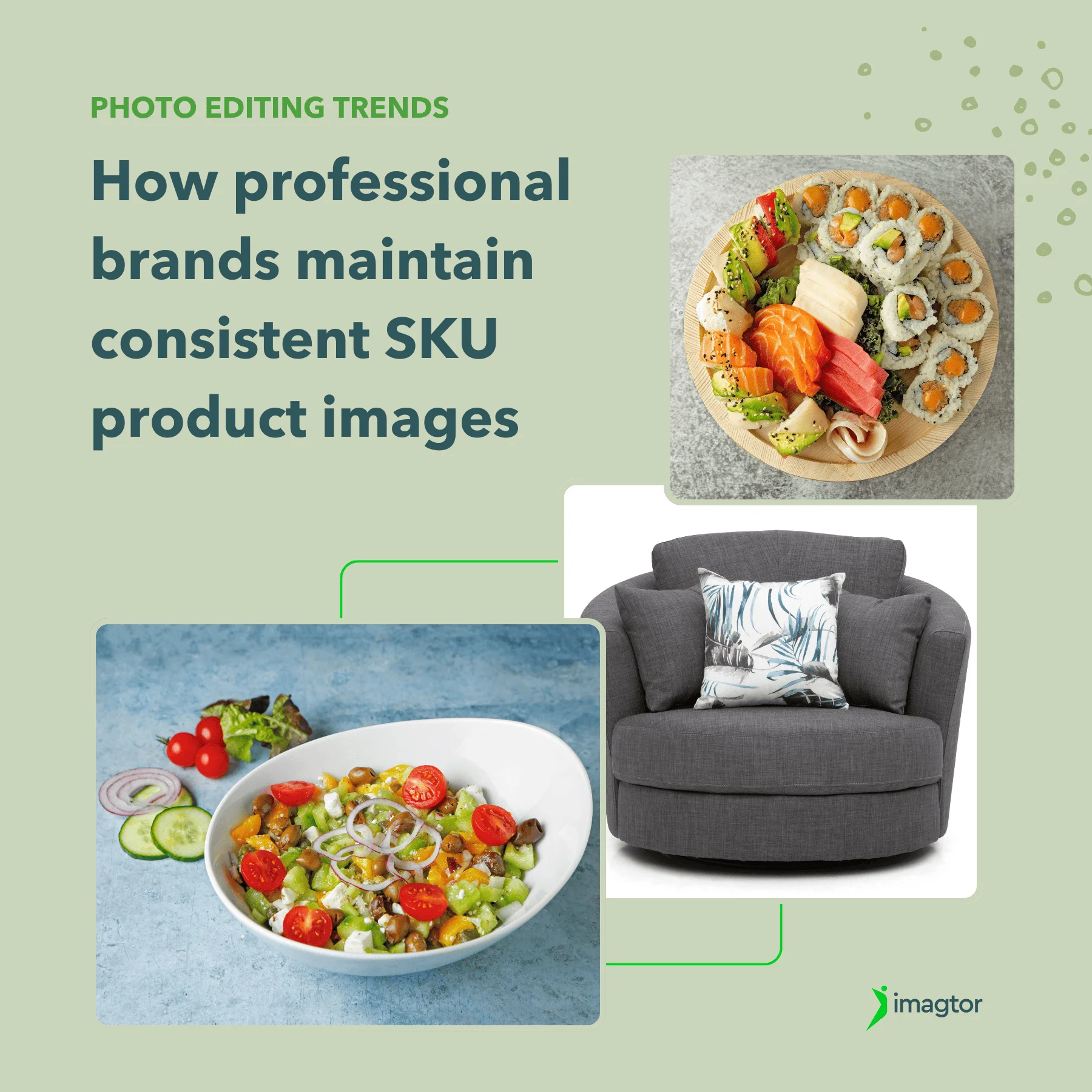
As product catalogs grow, maintaining product image consistency becomes harder than most brands expect. Different photographers, lighting setups, editing styles, and product categories can quickly make a catalog feel disconnected. The brands that scale successfully usually follow clear photography and editing standards that keep thousands of product images looking like they belong together.
Why product image consistency matters
Customers may not notice perfect consistency, but they often notice when something feels off.
Imagine browsing an online store where some products have bright white backgrounds, others have gray backgrounds, and a few look warmer or darker than the rest. Even if the products themselves are good, the overall shopping experience can feel less professional.
Strong product image consistency helps brands:
- Build trust
- Create a more polished storefront
- Strengthen brand identity
- Make products easier to compare
For growing e-commerce businesses, consistency is not just a design choice. It becomes part of the customer experience.
The challenges of managing thousands of SKUs
Maintaining product image consistency is fairly simple when you have 20 products. It becomes much harder when that number grows to hundreds or thousands.

As catalogs expand, brands often deal with:
- Multiple photographers
- Different studios
- Seasonal product launches
- New product categories
- Large image volumes
A clothing brand might photograph products over several months. A furniture retailer may work with different photographers in different locations. Over time, small differences start adding up.
Without clear standards, product images can begin to look like they came from completely different brands.
Creating product image standards
The easiest way to improve product image consistency is to create clear image standards before production begins.
These standards often include:
- Background color requirements
- Image dimensions
- Product positioning
- Cropping rules
- Lighting style
- Shadow treatment
For example, a brand may decide that every product should be centered, photographed against a pure white background, and cropped with the same amount of space around the item.
When everyone follows the same guidelines, maintaining consistency becomes much easier.
Many successful e-commerce brands treat these standards like a rulebook. Photographers, editors, and marketing teams all work from the same reference.
Keeping colors consistent across products
Color is one of the biggest challenges in product image consistency.
Even when products are photographed in the same studio, colors can shift because of lighting conditions, camera settings, or editing decisions.
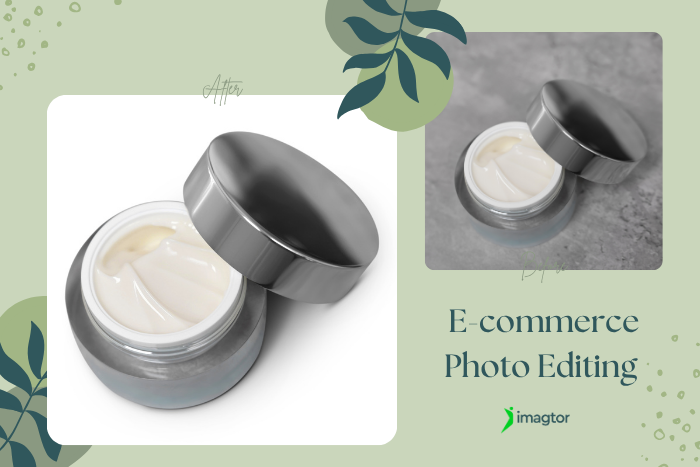
This becomes especially important for:
- Fashion products
- Furniture
- Cosmetics
- Home decor
- Consumer electronics
Customers expect the product they receive to match what they saw online. If colors vary too much between images, trust can suffer.
Professional editors spend a lot of time making sure colors remain accurate and consistent across an entire catalog. The goal is not to make products look more colorful. The goal is to make them look correct.
Standardizing product photography workflows
Many consistency problems actually begin during the photography stage.
If photographers use different camera settings, lighting setups, or shooting angles, editors will spend much more time trying to make images match later.
A standardized workflow often includes:
- Consistent camera settings
- Fixed lighting positions
- Defined shooting angles
- Standard lens choices
- Clear file naming systems
This creates a strong foundation for product image consistency before editing even begins.
Think of editing as refinement. It works best when the original images already follow a consistent approach.
The role of commercial photo editing
Even with good photography practices, editing still plays a major role in achieving product image consistency.
Products are rarely photographed under perfect conditions every single time. Editors help bridge those small differences and create a more unified catalog.
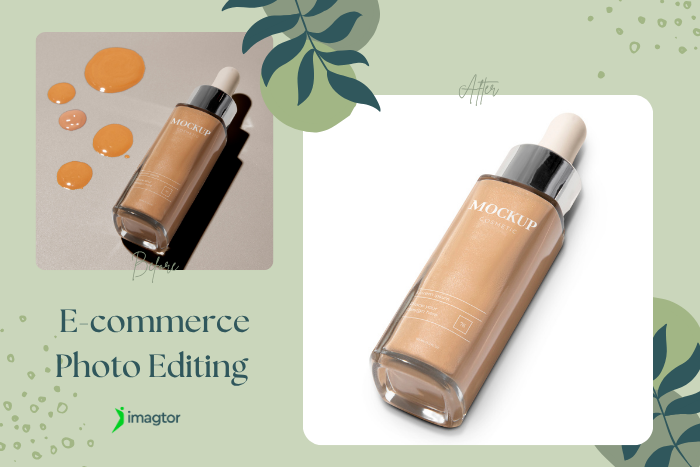
Common editing tasks include:
- Background cleanup
- Color correction
- Exposure balancing
- Dust and scratch removal
- Shadow adjustments
- Cropping and alignment
This is where commercial photo editing becomes valuable. Editors can bring images from different shoots together and make them look like part of the same collection.
Without this step, catalogs often feel uneven and inconsistent.
Managing image consistency across multiple teams
As businesses grow, maintaining product image consistency becomes less about individual images and more about managing people and processes.
Large brands often work with:
- Internal photography teams
- Freelance photographers
- External editing partners
- Marketing departments
- E-commerce managers
The more people involved, the more important documentation becomes.
Many brands create style guides that include:
- Sample images
- Color references
- Cropping examples
- Background standards
- Editing instructions
These guides help everyone work toward the same visual goal.
Instead of relying on personal preferences, teams can follow a shared standard.
>> Read more: What professional editors change in commercial photo editing before and after
Why automation alone is not enough
Automation tools have improved significantly in recent years. AI can remove backgrounds, adjust colors, and even perform basic retouching in seconds.
However, automation alone does not guarantee product image consistency.

AI tools are often good at handling repetitive tasks, but they may struggle with:
- Color accuracy
- Complex shadows
- Reflective surfaces
- Product-specific details
- Brand style requirements
Two products may receive slightly different treatment even though they belong in the same collection.
This is why many brands combine automation with human review. AI helps speed up production, while editors make sure the final images meet quality standards.
The combination usually produces better results than relying on automation alone.
Building a scalable product image workflow
Brands that maintain strong product image consistency usually focus on systems rather than individual projects.
A scalable workflow often includes:
- Photography guidelines
- Editing standards
- Quality control checks
- File organization procedures
- Team communication processes
These systems help maintain consistency even as product volume increases.
Instead of solving the same problems repeatedly, teams can follow established processes that keep production efficient.
This becomes especially important during major product launches or seasonal campaigns when image volume rises quickly.
Maintaining product image consistency as your catalog grows
Growth is exciting, but it often creates new challenges for image production.
More products usually mean more photographers, more editing, and more opportunities for inconsistency. Without clear standards, catalogs can become difficult to manage and harder for customers to navigate.
Strong product image consistency helps solve this problem. It creates a cleaner shopping experience, strengthens brand identity, and helps products look more professional across every channel.
The brands with the most polished catalogs are rarely the ones with the biggest budgets. More often, they are the ones with the most consistent workflows.
As your catalog grows, maintaining product image consistency becomes more challenging. Imagtor helps brands, retailers, and photographers create clean, consistent product images at scale.
Start today with a FREE TRIAL and 10% DISCOUNT.

Flambient photography has become the go-to lighting technique for serious real estate photographers in 2026. It combines the natural light range of HDR with the color accuracy of flash, producing interior images that look clean, warm, and genuinely believable without the over-processed look that heavy HDR editing creates. This guide covers what flambient photography actually …

Interior real estate photo editing is where most of the work happens after a shoot. Getting exposure, color, and detail right across a full gallery is what separates listings that actually get clicks from ones that get skipped past. This guide covers the core techniques professionals use, in the order they actually matter, so every …