


Real estate marketing has evolved quickly, and the 3D camera is now one of the most important tools shaping that evolution. Buyers no longer rely on static photos alone because they want a deeper understanding of a property before scheduling a visit. With a 3D camera, you can create immersive walk-throughs that present rooms, hallways, and entire floorplans with remarkable accuracy. This technology gives every listing a polished, modern feel, and it helps potential buyers imagine themselves inside the space long before they arrive in person.
Why 3D Camera Technology Matters in Real Estate
The industry has always valued clarity, and the rise of virtual tours reflects that expectation. When you use a 3D camera to capture a home, you provide viewers with a far more realistic experience. These tours offer a sense of movement that traditional photography cannot deliver.
- Immersive walk-throughs help buyers understand how each room connects to the next.
- Spatial accuracy builds trust because viewers can sense proportions and flow.
- Remote buyers benefit greatly, especially when they cannot attend in-person showings.
- Competitive markets reward listings that feel modern and interactive.
- Agents attract more attention when they include a 3D camera tour because it signals professional quality.
As a result, property owners and agents increasingly request 3D tour packages from photographers. The demand continues to grow, and those who master the workflow position themselves well for long-term success.
>>> Read more: The Rise of 3D Virtual Tours in 2025
Key Features of a Professional 3D Camera
Although many devices capture panoramic photos, a true 3D camera includes several advanced features that influence the final output. Understanding these features helps you choose the right tool.
- High-resolution depth capture, which ensures that room dimensions remain accurate.
- Precise spatial mapping, allowing the system to create a reliable floorplan.
- Low-light capability, which is important because many interiors include shadows or uneven lighting.
- Fast scanning and rendering, so your workflow stays efficient.
- Cloud syncing, which helps teams collaborate and edit tours quickly.
- Compatibility with major platforms, because you want your files to load smoothly in tools like Matterport or CloudPano.
When your camera supports these features, your tours look more polished and your work becomes easier to manage from shoot to delivery.
Top 3D Camera Options for Real Estate
Different projects call for different tools, and the following cameras represent the most reliable options in the industry.
1. Matterport Pro3
This model remains a favorite among real estate professionals because it was designed specifically for large and complex spaces.
- Long-range scanning that speeds up work in spacious homes
- Impressive outdoor performance, especially in shaded areas
- High accuracy when mapping walls and corners
- Rapid capture that reduces time on site
- Best suited for photographers handling high-volume real estate projects
The Matterport ecosystem also offers strong processing features, which helps you produce consistent results across all listings.
2. Ricoh Theta X
Although it is compact, this camera handles real estate tasks very well. It is particularly useful for beginners who want to learn efficient scanning techniques.
- Lightweight body that travels easily
- Quick capture, which saves time during multi-room shoots
- High-quality panoramic photos
- Lower overall investment for photographers entering the 3D camera market
- Mobile app support for easy review and upload
Because it captures quickly, it works well in furnished homes or tight rooms that require fast adjustments.
3. Insta360 One RS 1-Inch Edition
This camera appeals to photographers who want premium visual quality without investing in a large system.
- Dual 1-inch sensors that produce crisp, clean imagery
- Excellent low-light performance for moody interiors
- Strong stabilization that keeps movement smooth
- Modular design that offers flexibility
- Ideal for luxury interiors requiring high dynamic range
Interior designers and architects also use this device, which makes it a versatile part of any professional toolkit.
4. Leica BLK360 (premium tier)
This is one of the most advanced 3D scanning devices available today. Although it is expensive, it delivers exceptional precision.
- Highly accurate laser mapping
- Detailed capture suitable for commercial spaces
- Professional-grade software integrations
- Solid build quality for demanding environments
- Best for large developments, office buildings, and new construction
Photographers who cover commercial real estate often rely on this model when they need exact measurements and highly detailed 3D outputs.
How to Use a 3D Camera for Immersive Real Estate Listings
The most effective results come from a thoughtful process. Although each camera has its own interface, the general workflow remains similar across devices.
1. Prepare the Property
Clutter distracts from spatial clarity, so remove unnecessary items. Additionally, ensure lights are functioning and curtains are arranged neatly. Clean lines make scanning smoother, and they also make your final tour more appealing.
2. Capture the Space Methodically
Move from room to room in a logical sequence. Start from the entrance and continue through hallways, living areas, bedrooms, and utility spaces. Consistent order helps the system stitch the model more accurately.
3. Maintain Consistent Lighting
Lighting changes can confuse the software. Whenever possible, turn on all interior lights and keep them consistent throughout the process. Natural light is helpful, yet mixed lighting may cause uneven shadows, so balance both sources carefully.
4. Overlap Scans for Accuracy
Each scan point should overlap slightly with the previous one. This practice helps the software track spatial relationships correctly. Although it requires extra steps, overlapping improves accuracy and reduces stitching errors later.
5. Review Scans Before Moving On
Many photographers move too quickly, and this creates gaps in the final model. By checking your scans room by room, you avoid reshoots and save significant time during post-processing.
6. Upload and Stitch the Tour
After scanning, upload your files to your chosen platform. Most systems now optimize your model automatically, and this helps reduce manual editing. Once stitching is complete, you can reorder rooms, refine pathways, and add interface labels.
7. Add Notes, Labels, and Navigation Cues
Annotations help buyers understand key details. Highlight storage areas, ceiling heights, upgraded finishes, and outdoor features. These small touches improve viewer engagement and make your tour feel professional and comprehensive.
Workflow Tips for Faster 3D Capture
Experience plays a large role in efficiency, but clear habits help you finish jobs quickly and confidently.
- Create a predictable shooting path, because consistency keeps the model organized.
- Keep camera height similar across all scans, since this improves visual flow.
- Clear pathways before scanning, so you avoid moving objects repeatedly.
- Use a tripod for stability, especially in low-light areas.
- Check battery levels and memory before you begin, since interruptions slow down the entire workflow.
- Review the model while still on site, so you catch missing angles before packing up.
With practice, these habits shorten your scanning time and create cleaner results.
When to Use 3D Camera Tech in Real Estate
Although 3D tours add value to most listings, certain situations benefit even more from immersive capture.
- Luxury listings: Buyers expect a premium viewing experience.
- Homes with complex layouts: 3D tours help viewers understand flow and structure.
- Remote or international buyers: These clients often rely entirely on virtual experiences.
- New developments: Builders use 3D tours to present units before construction finishes.
- Commercial spaces: Accurate measurements help businesses plan occupancy and layout.
As the market continues to evolve, these situations will become even more common. Photographers who invest in a 3D camera today protect their relevance and expand their potential client base.
Final Thoughts
A 3D camera brings clarity, precision, and modern appeal to real estate marketing. When you use this technology with care and consistency, you deliver a viewing experience that feels natural and trustworthy. Although each project has unique challenges, the long-term value of mastering 3D capture remains significant for any working photographer.
If you want your 3D tours to look polished and ready for clients, pair your visuals with professional editing from Imagtor. Begin your next project with a FREE TRIAL and receive an added 10% DISCOUNT on your first order.
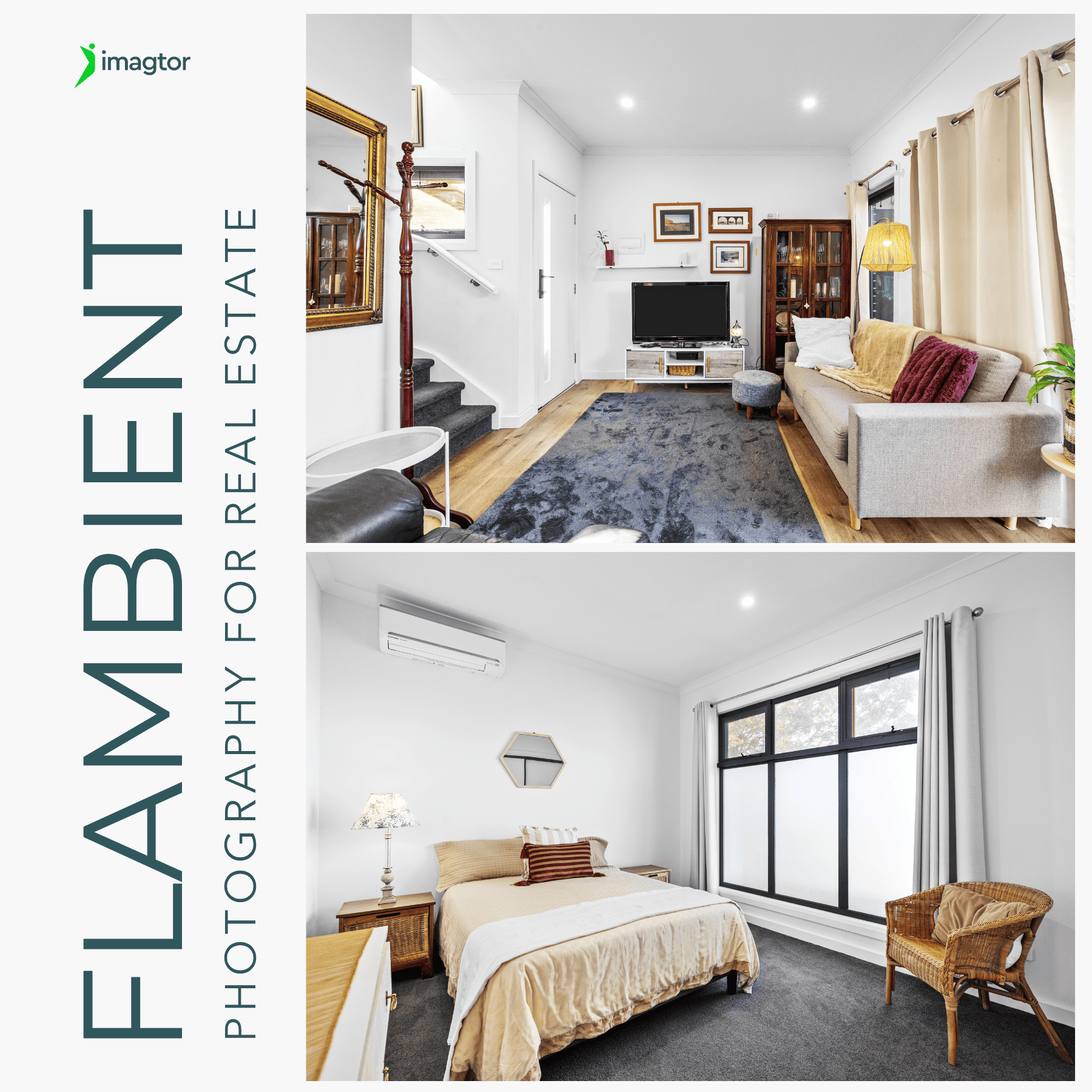
Flambient photography has become the go-to lighting technique for serious real estate photographers in 2026. It combines the natural light range of HDR with the color accuracy of flash, producing interior images that look clean, warm, and genuinely believable without the over-processed look that heavy HDR editing creates. This guide covers what flambient photography actually …
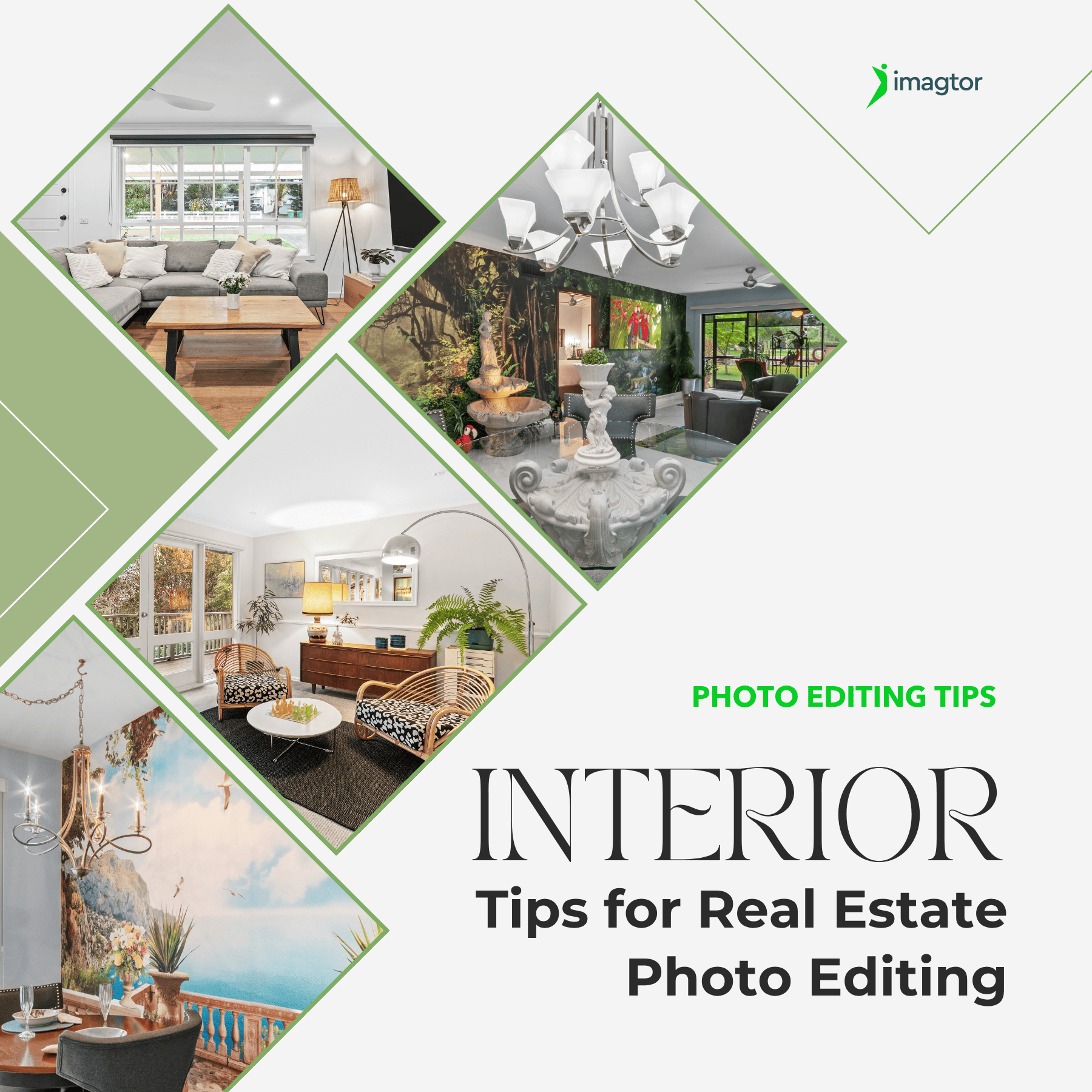
Interior real estate photo editing is where most of the work happens after a shoot. Getting exposure, color, and detail right across a full gallery is what separates listings that actually get clicks from ones that get skipped past. This guide covers the core techniques professionals use, in the order they actually matter, so every …