


In the world of real estate photography, choosing the right camera sensor can significantly influence image quality, workflow efficiency, and ultimately, how well your property listings perform online. As client expectations continue to rise in 2025, photographers must decide between full-frame and crop sensor (APS-C) cameras not just based on cost, but on real-world performance, post-production compatibility, and scalability for different job types. This guide is crafted for professional real estate photographers, photography studios, and content creators looking for a deep dive into which sensor type offers the best value and results.
I. Understanding Sensor Types
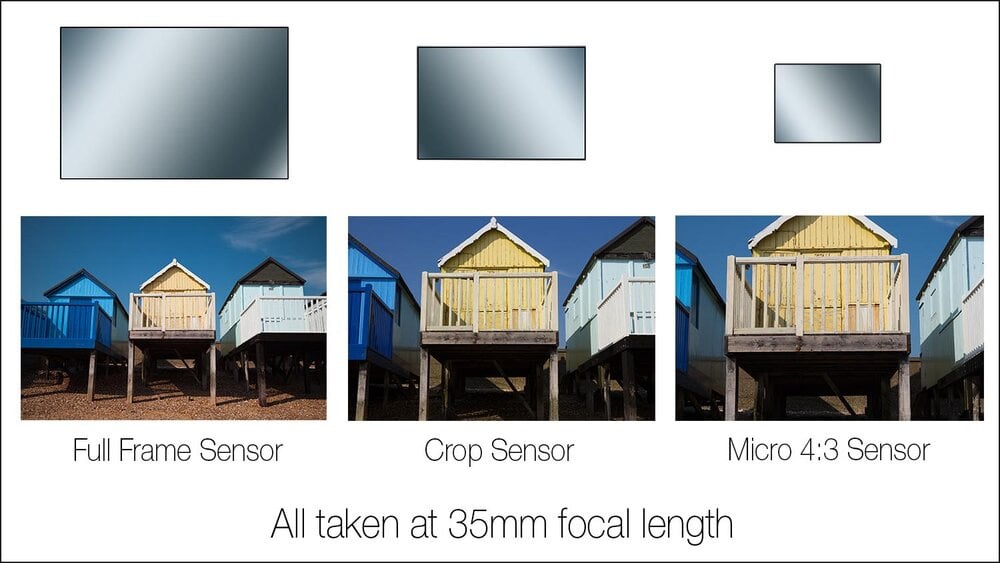
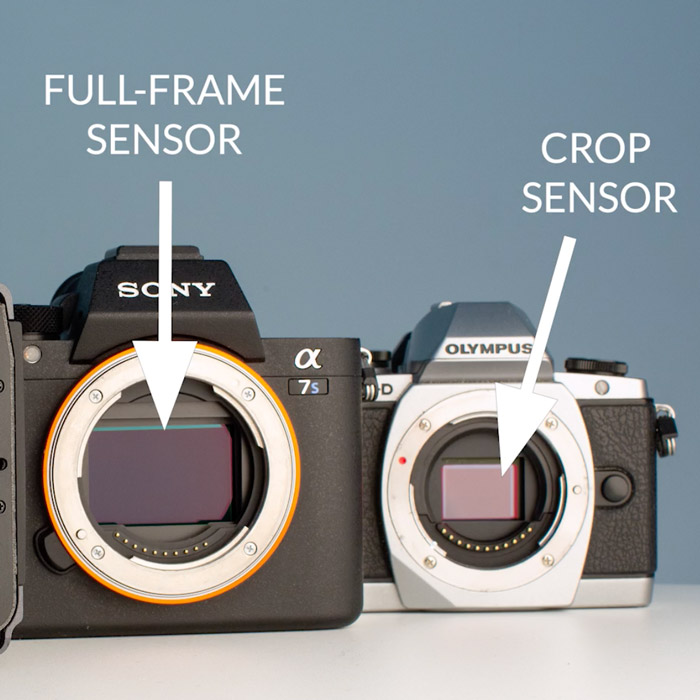
A full-frame sensor is equivalent in size to traditional 35mm film, measuring approximately 36mm x 24mm. This large sensor area allows more light to be captured, resulting in higher dynamic range, better low-light performance, and shallower depth of field. Full-frame sensors are typically found in professional and high-end mirrorless and DSLR cameras such as the Canon EOS R5, Sony A7IV, and Nikon Z7 II. These cameras are widely used in commercial photography, architecture, and high-resolution real estate shoots, where image quality and color accuracy are critical.
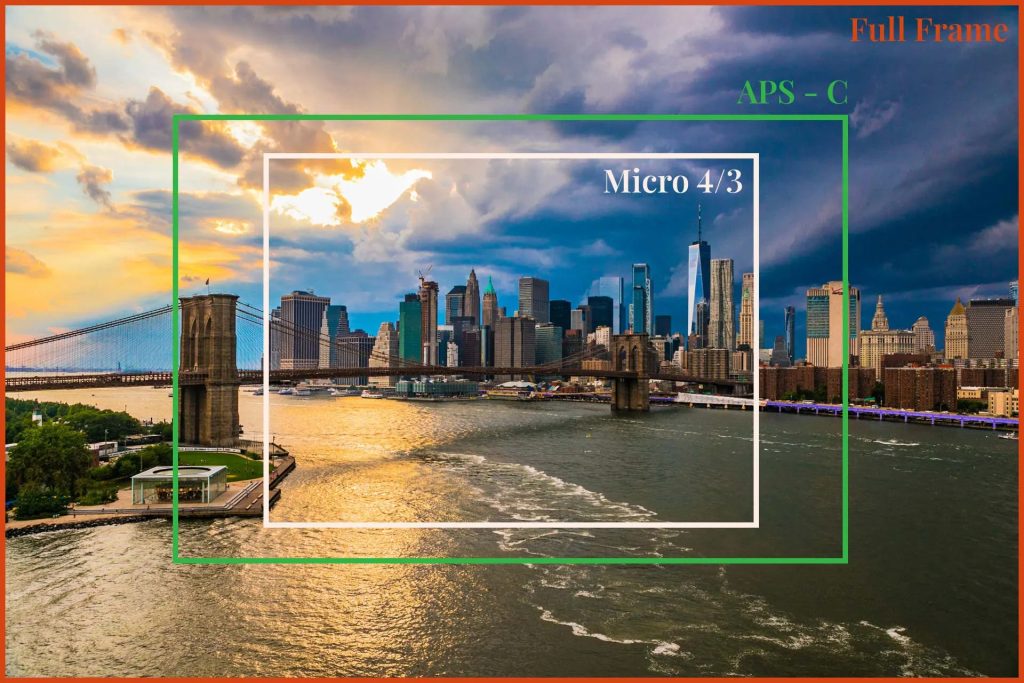
An APS-C, or crop sensor, is smaller than a full-frame sensor and usually measures around 22mm x 15mm. This reduction in size leads to a crop factor, typically 1.5x for Nikon, Sony, and Fujifilm, and 1.6x for Canon. This means a 24mm lens on a crop sensor behaves like a 36mm equivalent on a full-frame, narrowing the field of view. While smaller in size and generally more affordable, APS-C sensors can still produce high-quality images suitable for real estate photography, especially when paired with wide-angle lenses.
Micro Four Thirds sensors are even smaller, with a 2x crop factor and a sensor size of around 17mm x 13mm. Found in brands like Panasonic Lumix and Olympus, MFT systems offer portability and excellent video features. However, for real estate professionals focusing on interior spaces, dynamic range, and wide-angle coverage, APS-C and full-frame remain the more suitable choices.
II. Key Differences Explained: Technical Breakdown
The sensor size affects multiple aspects critical to real estate work. Here’s how:
1. Field of View and Lens Matching
A full-frame sensor captures a wider angle of view compared to an APS-C sensor using the same lens. For example, a 16mm lens on a full-frame camera gives a true 16mm field of view. On an APS-C camera with a 1.5x crop factor, that same lens behaves like a 24mm equivalent.
Impact: For real estate interiors where space is tight, wider angles are often essential to show the full room. This gives full-frame an edge unless crop shooters invest in ultra-wide APS-C-specific lenses.
2. Image Quality and Low-Light Performance
Full-frame sensors have larger individual pixels, which capture more light and generate less noise at high ISOs. This results in better dynamic range, cleaner shadows, and richer details, especially in mixed-light scenarios common in interior shots.
Stat: According to a 2024 DxOMark study, full-frame sensors offer up to 2 stops better dynamic range and 1.5 stops cleaner high ISO performance than APS-C sensors.
3. Depth of Field Control
Full-frame cameras naturally provide shallower depth of field at the same aperture, giving more flexibility to isolate subjects or creatively blur backgrounds. While this is not a top priority for most real estate images, it can be useful for lifestyle or detail shots.
4. Lens Compatibility and Options
Full-frame systems support a wide range of high-performance lenses. While APS-C cameras can use full-frame lenses, they do not take advantage of the full image circle and are limited in ultra-wide options unless using APS-C-specific lenses like the Sigma 10-20mm f/3.5 or Tokina 11-20mm f/2.8.
>>> Read more: DSLR or Mirrorless for Real Estate Photography?
III. Pros and Cons
1. Full-Frame Sensor
Pros:
- Superior Image Quality: The larger sensor allows for increased pixel size, resulting in better detail, color accuracy, and dynamic range.
- Better Low-Light Performance: Larger sensors capture more light, allowing for lower ISO settings and reduced noise. This is critical in twilight shoots or poorly lit interiors.
- Shallower Depth of Field: Excellent for creative compositions, subject isolation, and high-end staging photos that emphasize specific areas or objects.
- Lens Flexibility: Access to a broader range of high-quality professional lenses designed for full-frame systems.
Cons:
- Higher Cost: Both the camera body and lenses are significantly more expensive. A basic full-frame setup can easily exceed $4,000.
- Larger and Heavier Gear: Full-frame lenses and bodies are bulkier, impacting mobility, especially when photographing multiple properties in one day.
- Overkill for Some Jobs: For smaller listings or high-volume shoots, the added resolution and quality may not justify the time and cost.
2. Crop Sensor (APS-C)
Pros:
- Cost-Effective: APS-C systems provide a great balance between quality and price. Excellent for freelancers, new photographers, and agencies scaling teams.
- Compact and Lightweight: Easier to transport and use in tight interior spaces. Also beneficial for drone and handheld shots.
- Longer Effective Focal Length: A crop factor can help compress outdoor architecture shots and make certain compositions more accessible.
- Easier Depth of Field Control: Increased depth of field at same aperture values helps keep interiors sharp edge-to-edge without complex techniques.
Cons:
- Reduced Dynamic Range: Smaller sensors capture less light overall, making HDR blending and window pulls slightly more challenging.
- Lower Performance at High ISO: More noise at higher ISOs, which requires careful exposure management or noise reduction in post.
- Limited Lens Options: Fewer professional-grade wide-angle lenses specifically designed for APS-C compared to full-frame systems.
IV. Technical Comparison Table
| Feature | Full-Frame Sensor | Crop Sensor (APS-C) |
|---|---|---|
| Sensor Size | 36mm x 24mm | Approx. 22mm x 15mm |
| Crop Factor | 1.0x | 1.5x (Sony, Nikon) or 1.6x (Canon) |
| Image Quality | Higher dynamic range and detail | Good quality but slightly lower |
| Low Light Performance | Excellent | Moderate |
| Depth of Field | Shallower (better subject isolation) | Deeper (better for whole-room clarity) |
| Gear Size and Weight | Heavier | Lighter |
| Lens Compatibility | Broad, especially professional glass | Limited, fewer wide-angle APS-C lenses |
| Average Body Price | $2,500 to $4,500 | $800 to $1,500 |
| Use Case | Luxury, high-end listings, twilight | Mid-range listings, beginner setups |
V. Use Cases in Real Estate Photography
Choosing between full-frame and crop sensor cameras depends on your niche, budget, and workflow demands. Below are specific scenarios to guide your selection:
- High-End Residential and Luxury Listings: Full-frame sensors deliver superior image quality, detail, and dynamic range. Ideal for luxury real estate and architectural photography where every pixel counts.
- Mid-Range Listings and Volume Work: APS-C cameras provide excellent value, especially for high-volume shoots or freelance photographers covering multiple properties per day.
- Drone and Tight Space Work: Crop sensors or MFT are often better for aerial or handheld work in confined areas due to their compact form factor and lower weight.
- Twilight or Low-Light Photography: Full-frame sensors excel in low-light conditions and maintain cleaner images at high ISOs, reducing the need for extensive post-processing noise reduction.
VI. Cost and Gear Considerations in 2025
When planning your real estate photography business, sensor choice matters, not just for image quality, but for investment and efficiency. Let’s dive into what full-frame and APS-C systems cost in 2025 and how that affects your shooting and post-production workflow.
1. Full-Frame Sensor: Premium Output, Premium Investment
Full-frame cameras continue to dominate for professional real estate and architectural imagery, but they come with a significant upfront cost. In mid-2025, flagship mirrorless models like the Nikon Z6 III and Canon R6 Mark II are priced around $2,500, while higher-resolution or hybrid models may reach $4,500. These bodies deliver exceptional dynamic range, superior high-ISO performance, and robust build quality, ideal for ambitious HDR workflows and twilight shoots.
Lenses amplify the investment. A quality 16–35mm full-frame wide-angle zoom typically costs between $1,200 and $2,000, depending on the mount and features like optical stabilization or tilt-shift capabilities. Add essentials like a tripod, flashes, filters, and backup gear, and a complete full-frame kit can reach $5,000 to $6,000 before software, insurance, or accessories.
This high cost might cause hesitation, but full-frame delivers smoother shadows, richer mid tones, and sharper corners, advantages that translate directly into listing clicks and client satisfaction.
2. APS-C: Smart Value and Portability
APS-C systems have become compelling contenders for professionals on a tight budget or with streamlined operational needs. Bodies like the Sony a6700 (around $1,400) and Canon R50 V (targeted at enthusiasts around $700) offer compelling image quality, fast autofocus, and lightweight portability. Advanced entries like the Fujifilm X-T5 deliver up to 40MP with strong color output, a serious performer despite the smaller sensor.
Pairing such bodies with native APS-C wide-angle lenses typically costs just $300 to $600. When stabilized with a reliable tripod and essential flash triggers, an APS-C setup is ready for polished listings at a total investment between $1,200 and $2,000.
3. Scale and Team Impact
The financial stakes scale with team size or high-volume projects. Equipping a two-photographer team with full-frame bodies and pro lenses could exceed $12,000, before backups and accessories. The same investment in APS-C gear could outfit more than five shooters at comparable quality, making it an attractive proposition for emerging studios and fractional staffing models.
4. Pricing Snapshot
| Item | Full-Frame Price | APS-C Price |
|---|---|---|
| Camera Body | $2,500 – $4,500 | $700 – $1,400 |
| Wide-Angle Lens (16–35mm eq) | $1,200 – $2,000 | $300 – $600 |
| Basic Kit Total | $5,000 – $6,000+ | $1,200 – $2,000 |
VII. Tips for Choosing the Right Sensor for Real Estate Photography
Choosing between a full-frame and a crop sensor depends on your clients, workload, and future plans.
- Client expectations: If you work with luxury realtors or architects, full-frame cameras offer superior image quality and dynamic range that high-end clients expect. For standard listings, APS-C can deliver great results at a lower cost.
- Work volume: High-volume photographers may prefer APS-C for its efficiency. Smaller files speed up editing and delivery, which is ideal for fast-paced workflows.
- Future planning: Even if you start with a crop body, investing in full-frame lenses can save money long-term. These lenses work across systems and support upgrades later.
- Test and compare: Shoot the same space with both sensor types and review side-by-side in Lightroom. Compare detail, color, and how each handles highlights and shadows to find the right fit for your workflow.
Ready to take your real estate photography to the next level? No matter what gear you use – full-frame or crop sensor – the true difference comes from professional editing that makes your photos stand out in today’s competitive market. Imagtor provides high-quality real estate photo editing, day-to-dusk transformations, virtual staging, floor plans, and video tours that help photographers impress clients and win more business. Start today with a FREE TRIAL and enjoy 10% OFF your first order!
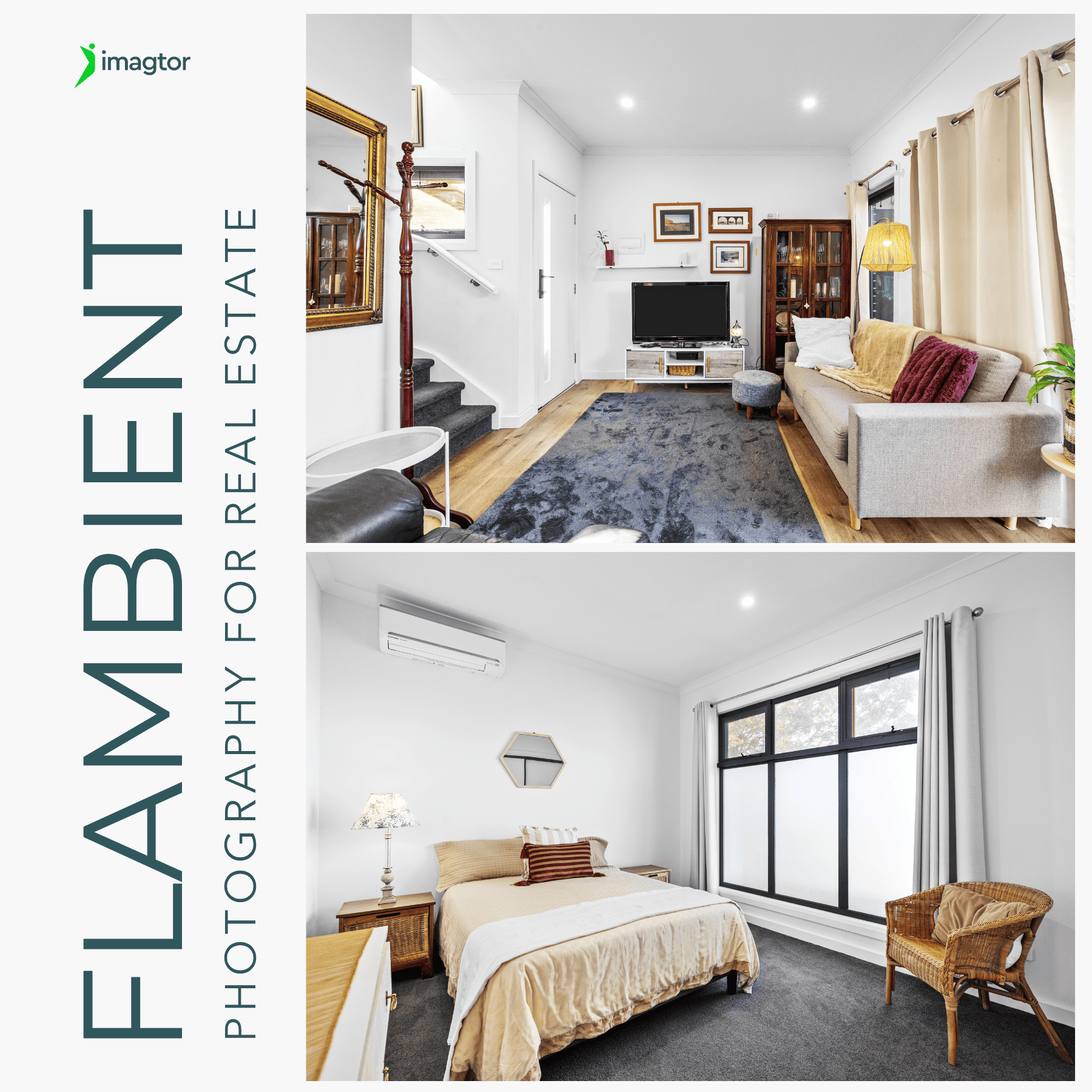
Flambient photography has become the go-to lighting technique for serious real estate photographers in 2026. It combines the natural light range of HDR with the color accuracy of flash, producing interior images that look clean, warm, and genuinely believable without the over-processed look that heavy HDR editing creates. This guide covers what flambient photography actually …

Interior real estate photo editing is where most of the work happens after a shoot. Getting exposure, color, and detail right across a full gallery is what separates listings that actually get clicks from ones that get skipped past. This guide covers the core techniques professionals use, in the order they actually matter, so every …