

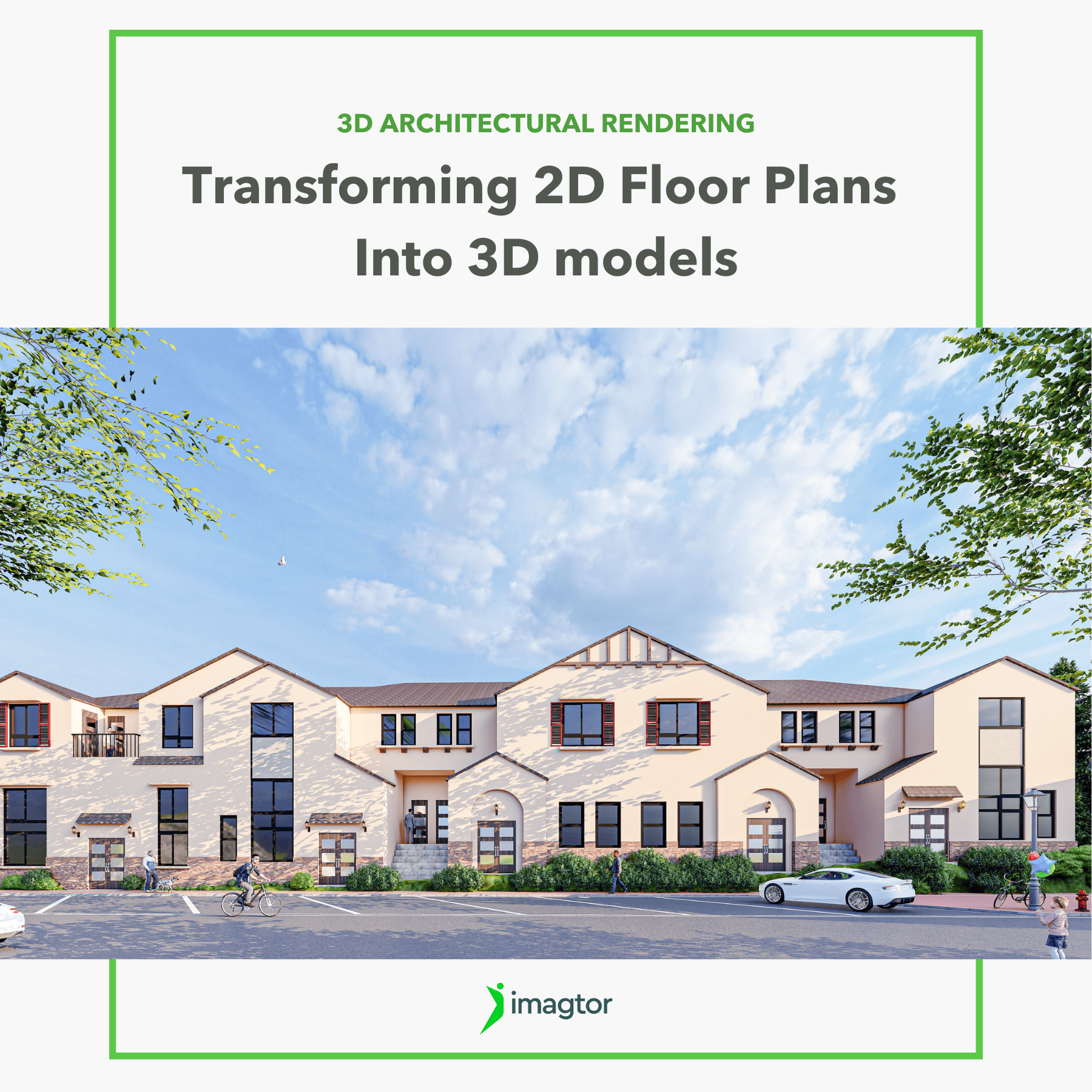
In today’s architecture world, communication is as critical as construction. Clients no longer settle for technical drawings or flat layouts. They want to see the future. That is why 3D rendering has become essential for architecture firms. It helps them stay competitive, improve client engagement, and win more projects. Turning 2D floor plans into 3D renderings allows firms to present designs with clarity. Every material, proportion, and space is shown with realism and detail. This makes ideas easy to understand, not only for architects but for every client.
At Imagtor, we transform static plans into accurate and visually striking 3D renderings. Our work captures both design intent and emotional impact. In this blog, we explore why 3D rendering is now vital in the architecture field. You will also learn how Imagtor delivers accuracy, industry expertise, affordable pricing, and fast turnaround.
The Rise of 3D Architectural Visualization: Numbers Behind the Trend
The demand for architectural 3D rendering services has surged significantly over the last decade, and this growth is set to accelerate even more in the years ahead. According to Grand View Research, the global architectural visualization market is projected to grow from USD 2.9 billion in 2023 to USD 6.4 billion by 2030, at a compound annual growth rate (CAGR) of 20.5%.
This growth is driven by several key factors:
- Increased use of Building Information Modeling (BIM)
- Greater emphasis on client-centered design presentations
- Rising popularity of real estate virtual tours and marketing materials
- More affordable and accessible visualization technology
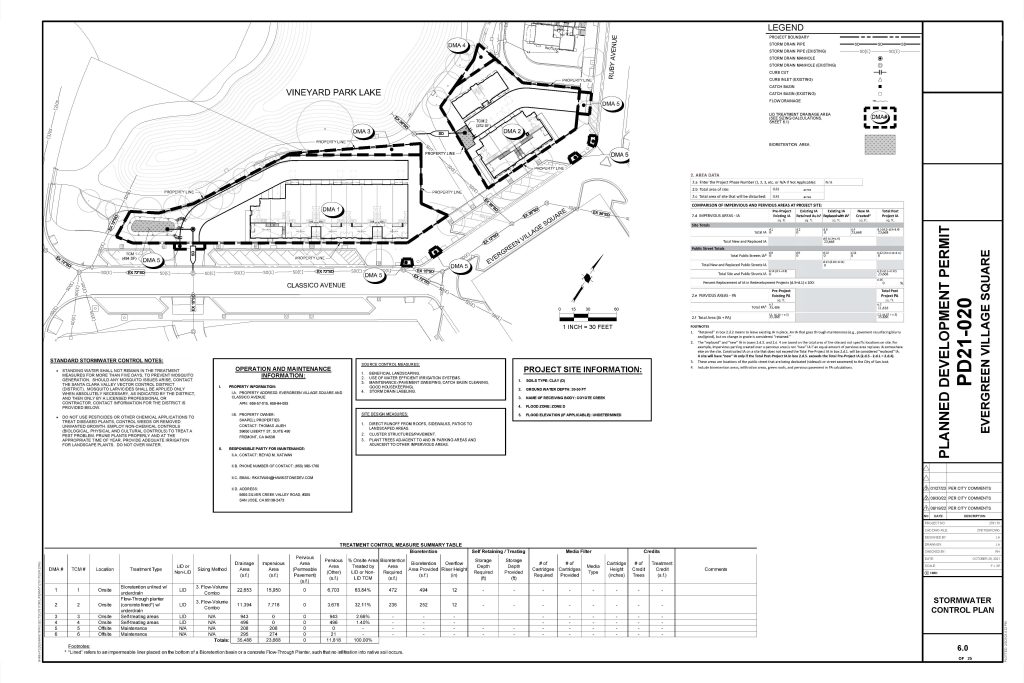
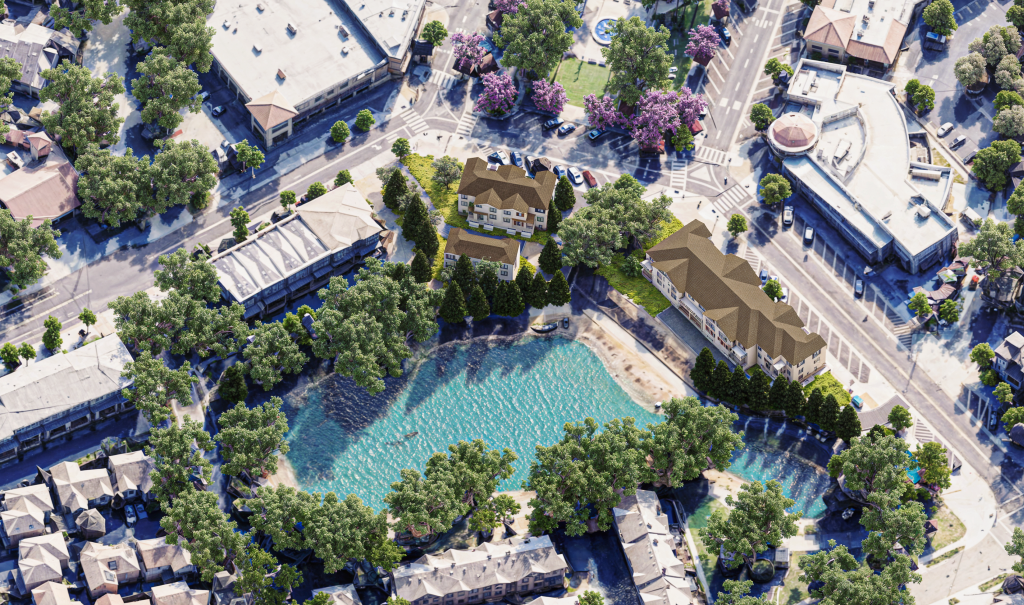
Firms that use professional 3D rendering services gain real advantages. Approvals move faster. Investor presentations become more persuasive. Clients are more satisfied with the clarity of what they see.
In many places, city planning boards now expect 3D visuals as part of proposals. This makes high-quality rendering not just a bonus but a requirement. It has shifted from being a differentiator to being a necessity for modern architecture firms.
Understanding 3D Rendering from 2D Floor Plans
3D rendering from a 2D floor plan involves translating technical architectural drawings into detailed three-dimensional models, complete with textures, lighting, furniture, and perspective. This process allows architecture firms to move beyond traditional schematics and present immersive, spatially accurate visuals to stakeholders.
The process typically includes:
- Reviewing the 2D floor plan and identifying spatial relationships, dimensions, and structural details
- Creating a wireframe or 3D base model using CAD or modeling software
- Applying textures, colors, and finishes to surfaces based on design specifications
- Incorporating lighting and shadow simulations to reflect time-of-day and ambiance
- Rendering final static images, flythroughs, or interactive models
This shift makes design communication easier for non-technical audiences. Investors, property developers, municipal boards, and even end-users can now engage with a design in clear and meaningful ways.
Why Architecture Firms Choose Imagtor for 3D Rendering
1. Precision and Detail That Align with Your Design Intent
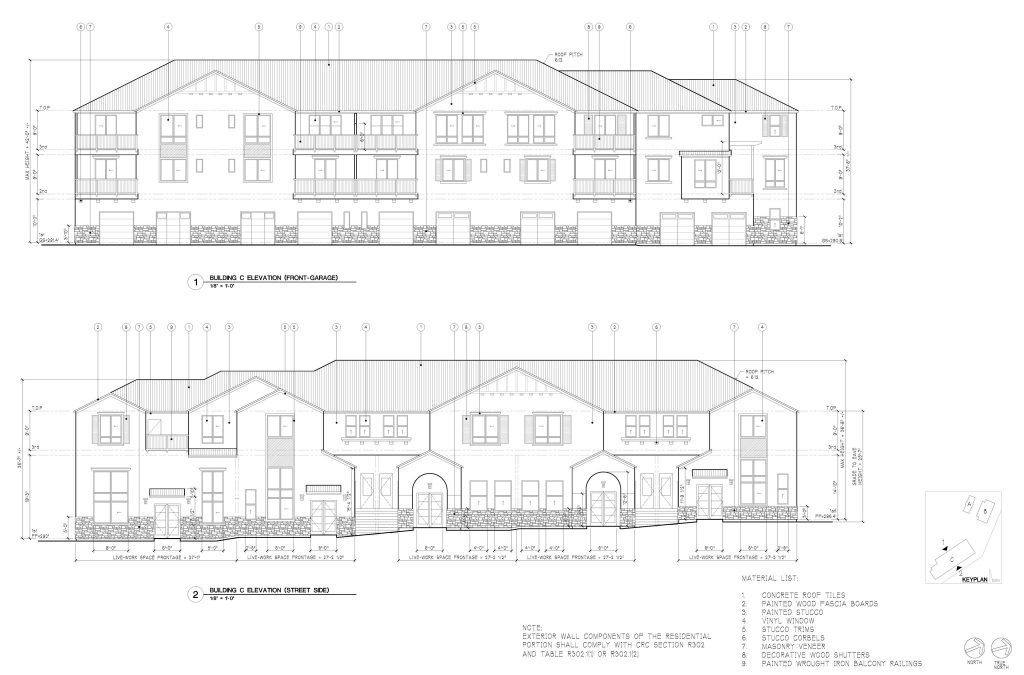
One of the greatest risks in architectural visualization is the loss of design fidelity during translation from 2D to 3D. Misaligned dimensions, incorrect proportions, or improperly interpreted materials can result in miscommunication with stakeholders or costly rework down the line.
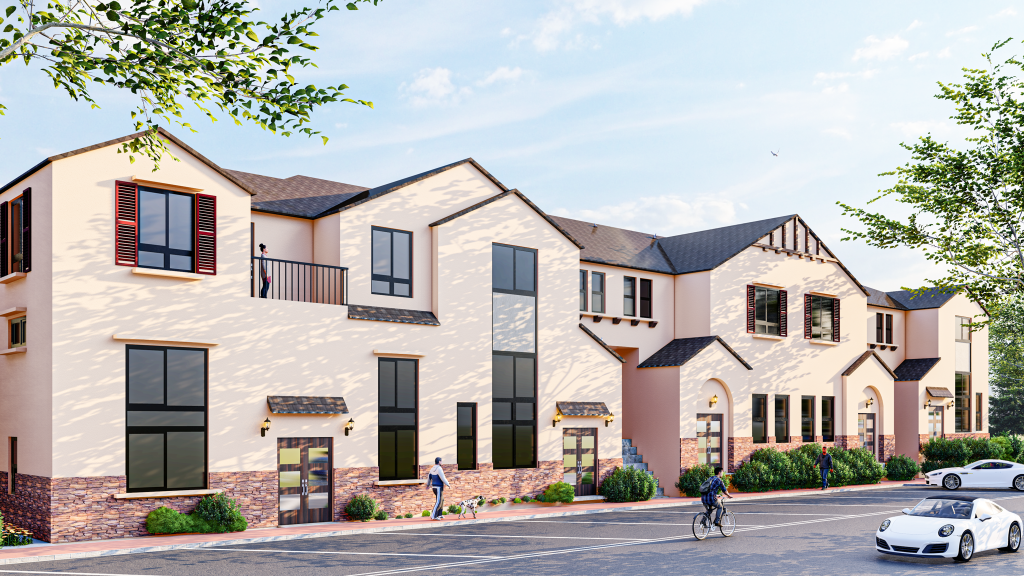
At Imagtor, accuracy is the cornerstone of our rendering process. Our team is trained to interpret floor plans with precision and translate them into three-dimensional spaces without distortion. Every window opening, wall thickness, ceiling height, and material reference is carefully modeled to reflect the original plan.
This is particularly critical when visualizing:
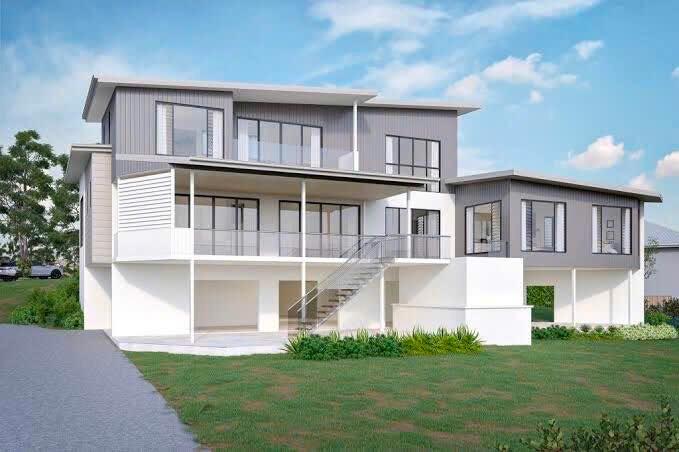
- Custom residential properties with unique layouts or facades
- Mixed-use developments with zoning limitations
- Historic building renovations with structural restrictions
We employ rigorous internal review processes to ensure that all models go through a quality assurance phase where our visualization experts double-check for accuracy in geometry, lighting, and materials. This attention to detail helps clients avoid design misinterpretations and costly construction errors.
2. Technical and Architectural Expertise You Can Trust
Unlike generalist 3D artists, our team at Imagtor includes professionals with architectural and construction backgrounds. This allows us to understand not only what your floor plans represent but also why they are structured in a certain way.
Our experience spans:
- Mid-rise and high-rise commercial developments
- Single and multi-family residential housing
- Interior renovation projects and adaptive reuse
- Retail and hospitality architecture
- Institutional and civic structures
We work with CAD drawings, Revit models, or even hand-drawn sketches. Our team understands technical standards and collaborates smoothly with architects, designers, and project managers. This ensures every rendering reflects both visual appeal and compliance with real-world requirements.
We also stay updated on the latest architectural visualization tools and trends. This gives your firm cutting-edge presentations that connect with modern clients.
3. Cost-Efficient 3D Rendering Solutions That Scale With You
Budget is often a major concern when firms decide whether to outsource 3D rendering. At Imagtor, we believe high-quality visuals should be within reach for every firm, including smaller studios.
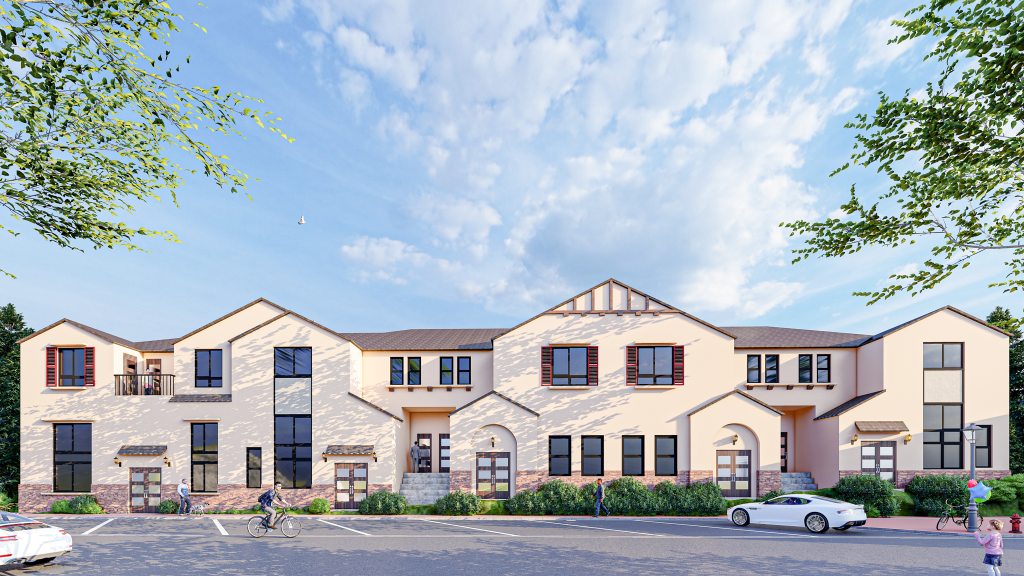
Our pricing model is flexible. It matches the scale and complexity of each project. Based in Vietnam, we serve a global client base. This allows us to deliver premium-quality renderings at a lower cost compared to many studios in North America, Europe, or Australia. We keep prices competitive without sacrificing delivery time or output quality.
This makes us a valuable partner for:
- Firms with tight proposal timelines
- Real estate development teams needing rapid visualization
- Architectural practices working on budget-sensitive projects
4. Speed and Scalability to Meet Project Deadlines
Rendering delays can derail a client presentation, marketing launch, or permit application. We understand that time is critical in the architectural design process, which is why we have built our operations for speed and flexibility.
We use an efficient project management workflow with built-in scalability:
- Projects are assigned to specialized 3D teams depending on type (interior, exterior, mixed-use)
- We implement batch-processing for repetitive structural elements
- A dedicated client coordinator handles revisions and feedback, ensuring real-time communication
When timelines are tight, we offer expedited rendering services. Our clients frequently rely on this when preparing last-minute design board submissions, real estate launches, or investment pitches.
How Architecture Firms Can Maximize the Value of 3D Rendering
Using 3D rendering effectively requires more than outsourcing. It requires strategic integration into your firm’s workflow. Below are best practices to help you get the most out of every rendered model:
1. Provide Comprehensive Inputs
Start with floor plans that include clear measurements, furniture layouts, elevation markers, and material references. If you have a mood board, a SketchUp model, or a Pinterest collection of finishes and textures, share them. This gives our team the context we need to match your design vision accurately.
2. Use 3D Rendering Across Project Stages
3D rendering isn’t just for marketing. It can be useful in:
- The concept development phase, where early visuals help stakeholders understand massing and scale
- The design development phase, where multiple iterations can be explored visually
- The approval phase, where municipalities may require realistic imagery
- The sales and marketing phase, where images are used in listings, brochures, and websites
By using renders strategically throughout the project lifecycle, you increase transparency and build trust with all stakeholders.
Be Specific with Feedback
To avoid multiple revision rounds, provide feedback that is clear and structured. Indicate whether the issue is related to material, perspective, lighting, or spatial geometry. We use standardized markup tools and communication platforms to simplify the revision process.
Looking Forward: The Evolution of Architectural Visualization
The next frontier in 3D rendering lies in real-time visualization, virtual reality walkthroughs, and AI-powered rendering tools. While these technologies are still maturing, early adopters are already using them to gain a competitive edge.
According to a 2024 industry survey by Autodesk, over 70% of architecture firms globally are exploring immersive 3D rendering solutions to enhance collaboration and client experience.
Imagtor is actively investing in these emerging formats and exploring partnerships that will allow clients to convert standard 3D renders into interactive walkthroughs and virtual staging environments.
>>> Read more: The Rise of 3D Virtual Tours in 2025
Let’s Visualize Your Next Project
With Imagtor, you gain more than a 3D rendering provider. You gain a trusted visualization partner who understands architecture and delivers consistent, high-quality results. Our focus on precision, affordability, and technical expertise makes us the right choice for firms that want to elevate presentations and strengthen client communication.
Let us transform your floor plans into renderings that are accurate, visually striking, and built for impact. Contact us today to discuss your next project. Start with a FREE TRIAL and enjoy a 10% BULK DISCOUNT on larger orders.
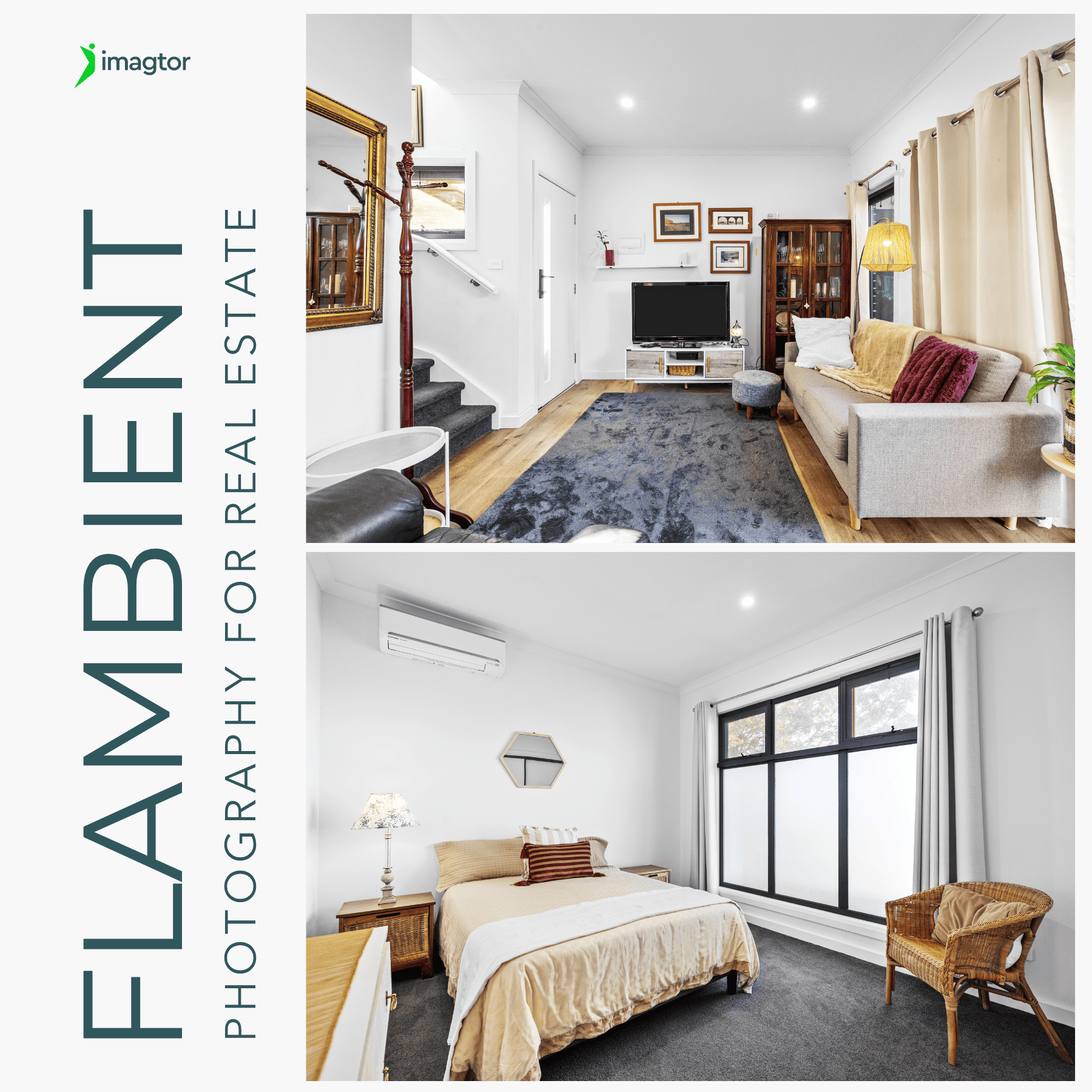
Flambient photography has become the go-to lighting technique for serious real estate photographers in 2026. It combines the natural light range of HDR with the color accuracy of flash, producing interior images that look clean, warm, and genuinely believable without the over-processed look that heavy HDR editing creates. This guide covers what flambient photography actually …

Interior real estate photo editing is where most of the work happens after a shoot. Getting exposure, color, and detail right across a full gallery is what separates listings that actually get clicks from ones that get skipped past. This guide covers the core techniques professionals use, in the order they actually matter, so every …