


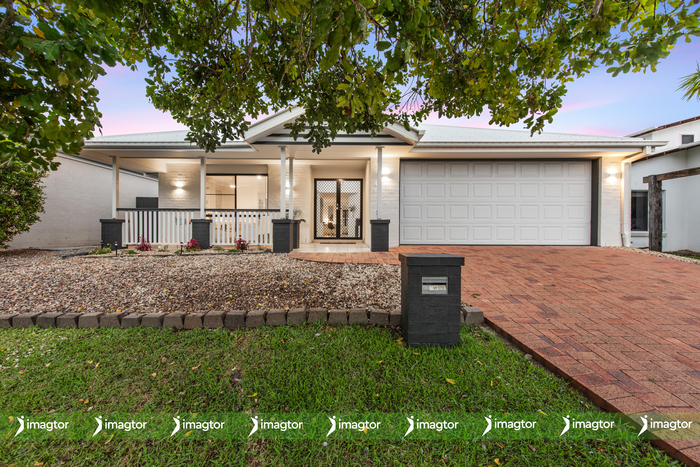
In real estate photography, a twilight shot can be the difference between a listing that captures attention and one that fades into the background. The soft glow of a setting sun, the warm interior lights, and the deep blue sky work together to create emotion and desire. When done right, twilight photography turns an ordinary property into an extraordinary visual story – helping homes sell faster and often at higher prices.
In this guide, you’ll learn how to plan, shoot, and edit a flawless twilight shot that enhances your portfolio and wins clients.
1. Plan Ahead for the Magic Hour
Timing is everything in twilight photography. The “magic hour” lasts only about 20–30 minutes after sunset, so preparation is key. Arrive at least an hour early to set up your tripod, check your angles, and test your lighting.
Pro Tip: Use weather apps or photography planners like PhotoPills to track sunset times and cloud coverage. Slightly cloudy skies often create the most stunning hues, adding drama and contrast to your twilight shots.
2. Use the Right Equipment
A well-equipped photographer delivers consistent, high-quality real estate photography results. Here’s what you’ll need:
- Tripod: Essential for stability during long exposures.
- Wide-Angle Lens: Perfect for capturing the full property and surroundings.
- Remote Shutter Release: Reduces camera shake for crisp images.
- External Flash or Lighting: Balances darker areas without losing the mood.
Modern cameras like the Canon R5 or Sony A7R V handle low-light conditions beautifully, producing clean, noise-free twilight images.
3. Turn On Every Light
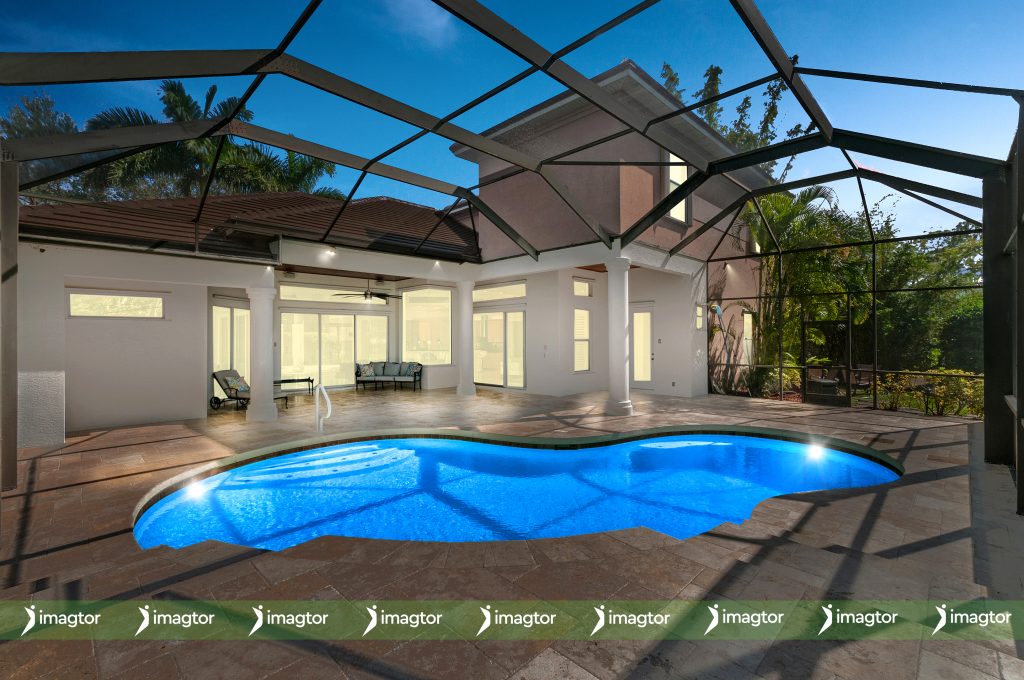
Lighting is the defining feature of a great twilight shot. Turn on all interior and exterior lights including porch lamps, garden path lights, pool lights, and even accent lighting. This contrast between the warm glow inside and the cool tones outside creates depth, comfort, and visual allure.
4. Adjust Camera Settings for Perfect Exposure
Achieving balanced exposure is at the heart of twilight photography. Start with these settings and adjust as needed:
- ISO: 100–400 for minimal noise.
- Aperture: f/8–f/11 to maintain depth and sharpness.
- Shutter Speed: Experiment with long exposures (1–10 seconds).
- Shoot in RAW: Essential for post-processing flexibility.
Use manual focus for precision, and check your histogram to avoid clipping highlights from interior lights.
5. Compose Twilight Shot with Purpose
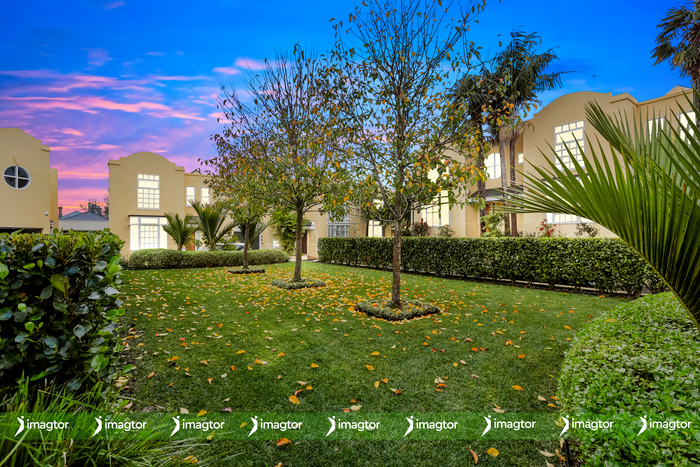
Composition transforms a twilight shot from good to unforgettable. Use leading lines like driveways or pathways to draw the viewer’s eye toward the property. Include surrounding elements like trees, sky gradients, reflections – to enhance storytelling.
Frame the house slightly off-center for balance and capture features like water reflections, architectural symmetry, or warm window glows.
6. Incorporate HDR Photography
A twilight shot often involves extreme lighting contrasts between bright windows and dark exteriors. HDR (High Dynamic Range) photography helps you merge multiple exposures for balanced brightness across the image.
Take three or five shots at varying exposures and merge them in Lightroom, Photomatix, or Aurora HDR. The result: crisp shadows, soft highlights, and a perfectly exposed image that feels natural yet cinematic.
7. Refine with Expert Post-Processing
Editing is where twilight photography truly shines. Subtle adjustments bring out the glow and mood you envisioned on-site.
Focus on:
- Enhancing sky gradients for depth and color accuracy.
- Balancing highlights and shadows to retain details.
- Adjusting white balance to unify indoor and outdoor tones.
- Correcting vertical lines for a professional look.
Avoid over-saturation or artificial tints. Aim for a balanced color temperature that feels both warm and realistic.
8. Avoid Common Mistakes
Even skilled photographers make errors that can dull the impact of a twilight shot. Watch out for:
- Shooting too late when the sky loses its gradient.
- Overexposed window lights that blow out detail.
- Reflections or clutter (e.g., cars, hoses, or bins) in the foreground.
- Forgetting to clean windows, smudges are amplified in twilight lighting.
9. Showcase Twilight Shot in Your Portfolio
Once you master twilight photography, make it a highlight of your real estate portfolio. Feature side-by-side comparisons of daytime versus twilight shots on your website. Agents and developers love seeing how your work can elevate a listing’s emotional appeal.
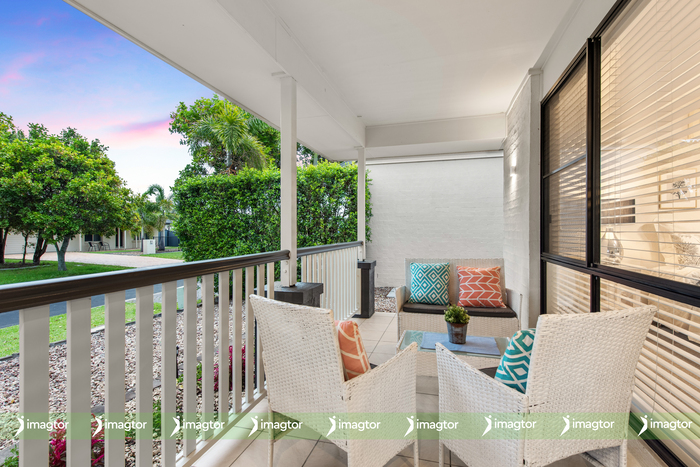
Post twilight photos on platforms like Instagram and LinkedIn, using captions that emphasize how twilight shots help homes sell faster and look more luxurious.
10. Outsource Editing for Professional Results
If editing isn’t your strong suit, outsourcing is a smart move. Professional editing services can perfect your twilight shots while saving you hours of post-processing. Companies like Imagtor specialize in real estate photo editing, virtual staging, and image enhancement that keep your photos natural yet compelling.
Outsourcing helps you scale your business efficiently while maintaining consistent quality across every listing.
Conclusion: Capture the Magic, Build Your Brand
A twilight shot is more than a photo. It’s a sales tool that evokes emotion, elevates listings, and strengthens your professional reputation. By mastering preparation, lighting, and post-production, you’ll transform your real estate photography from functional to unforgettable.If you’re ready to enhance your twilight images and boost your real estate portfolio, partner with Imagtor. Our expert editors will refine your photos to perfection. Start your FREE TRIAL + 10% DISCOUNT today and see how professional editing can bring your twilight shots to life.
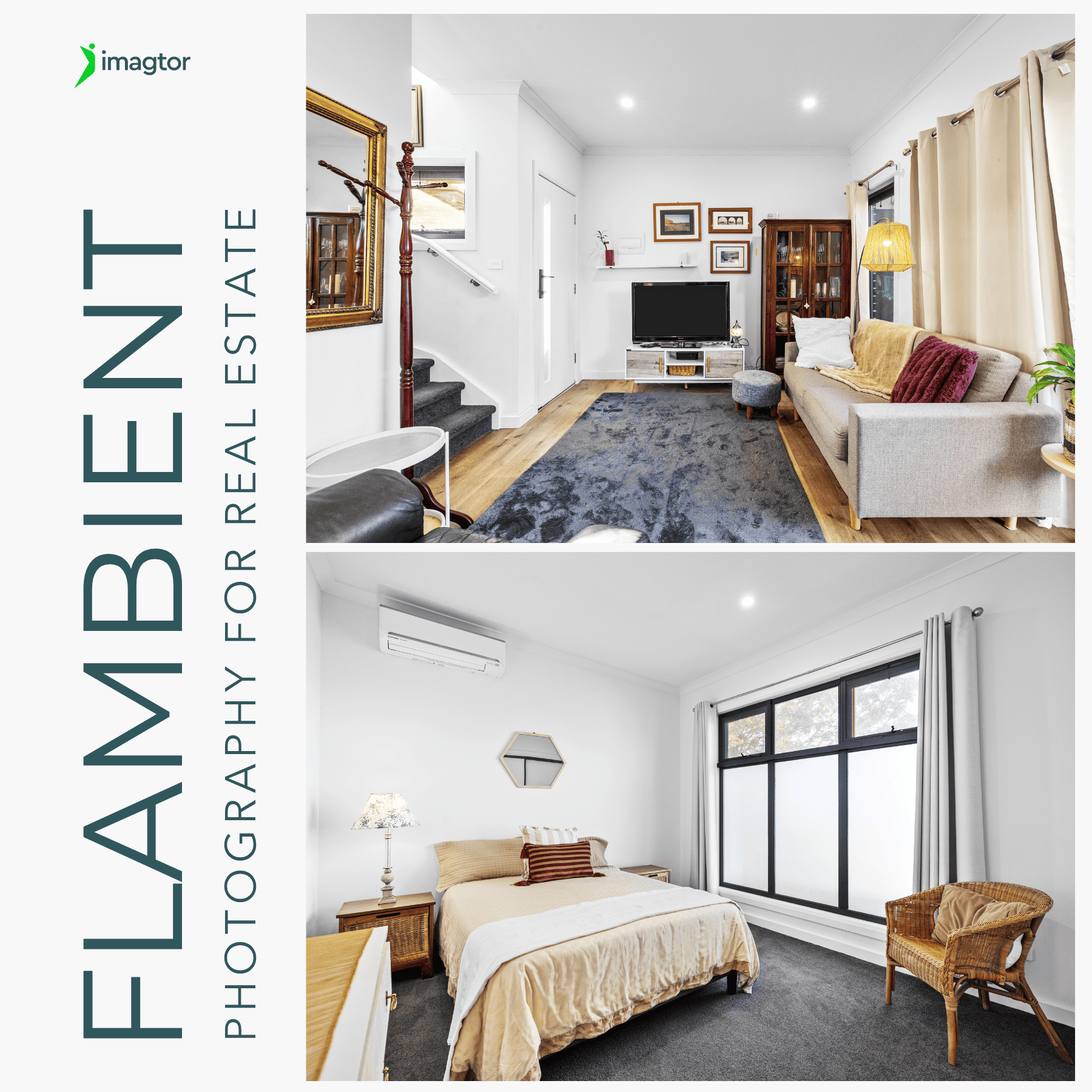
Flambient photography has become the go-to lighting technique for serious real estate photographers in 2026. It combines the natural light range of HDR with the color accuracy of flash, producing interior images that look clean, warm, and genuinely believable without the over-processed look that heavy HDR editing creates. This guide covers what flambient photography actually …

Interior real estate photo editing is where most of the work happens after a shoot. Getting exposure, color, and detail right across a full gallery is what separates listings that actually get clicks from ones that get skipped past. This guide covers the core techniques professionals use, in the order they actually matter, so every …