

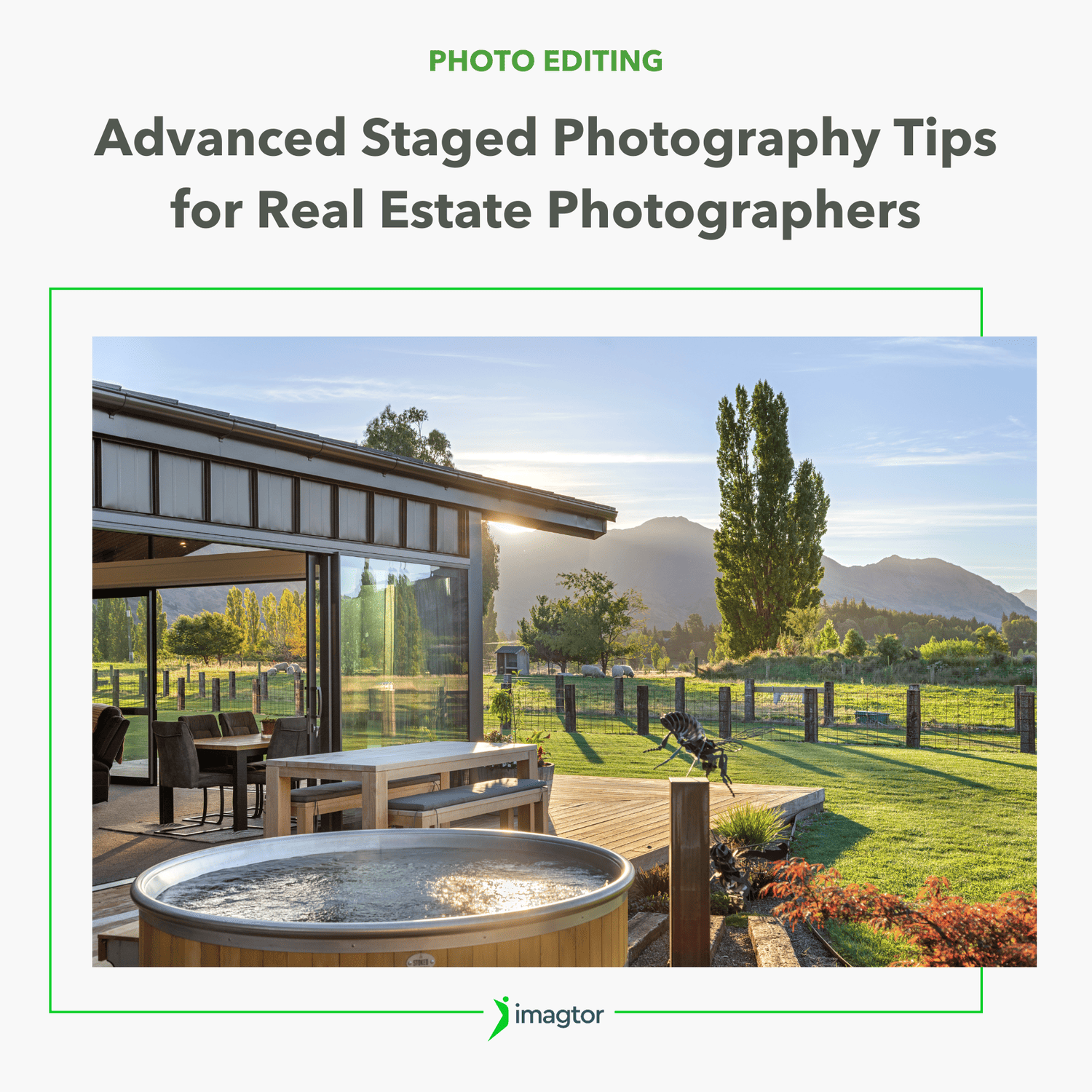
Staged photography plays a critical role in real estate marketing, but capturing staged spaces effectively requires more than well-placed furniture. Photographers must control composition, lighting, and perspective to translate staging into strong listing images. This guide covers advanced staged photography techniques designed for real estate photographers.
Understanding the Role of Staging in Photography
In real estate, staging prepares a property for presentation, while staged photography is the process of capturing that preparation effectively. A well-staged room does not automatically result in a strong image. The photographer must interpret the scene and present it in a way that highlights space, flow, and design.
Staging focuses on physical arrangement. However, staged photography focuses on visual communication. For example, a sofa may be placed correctly in a room, yet poor camera positioning can make the space feel cramped. Similarly, good decor placement can lose impact if lighting is uneven.
Therefore, photographers play a critical role in translating staging into compelling visuals. The goal is not simply to document the space, but to enhance how it is perceived through the lens.
Pre-Shoot Evaluation for Staged Photography
Before taking the first shot, experienced photographers evaluate the staged environment carefully. This step ensures better decision-making during the shoot.
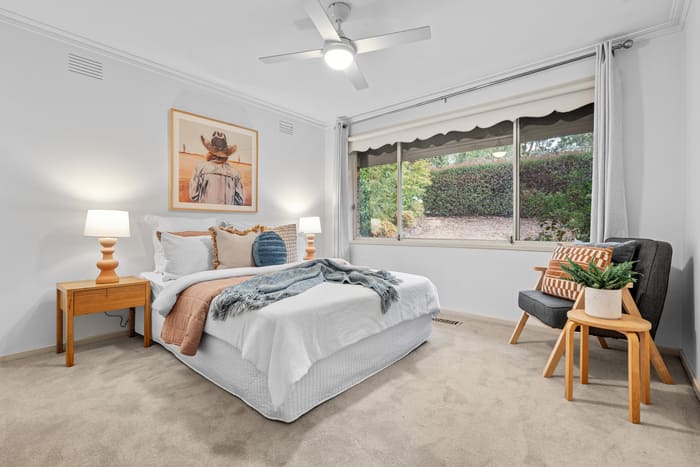
Key actions include:
- Walking through the property to understand layout and flow
- Identifying the strongest angles for each room
- Observing natural light direction and intensity
- Adjusting small elements such as cushions, chairs, or decor alignment
- Planning a logical shooting sequence
Even minor adjustments can significantly improve staged photography results. For instance, slightly rotating a chair or aligning decorative items can create cleaner compositions.
Preparation reduces the need for corrections later and helps maintain consistency throughout the shoot.
Camera Positioning and Height in Staged Photography
Camera positioning is one of the most important technical elements in staged photography. Incorrect positioning can distort space and reduce the effectiveness of staging.
Best practices include:
- Keeping camera height between 4 to 5 feet for most interiors
- Maintaining straight vertical lines to avoid distortion
- Positioning the camera to complement furniture layout
- Shooting from corners to maximize room visibility
A slightly elevated camera angle often provides a balanced view of both furniture and floor space. However, going too high can flatten the scene and reduce depth.
Positioning also affects how spacious a room appears. For example, standing too close to furniture can make the space feel tight, even if it is well staged.
Consistent camera placement ensures professional and reliable staged photography results across multiple listings.
Lens Selection for Staged Real Estate Photography
Choosing the right lens is essential in staged photography, as it directly affects perspective and proportion.
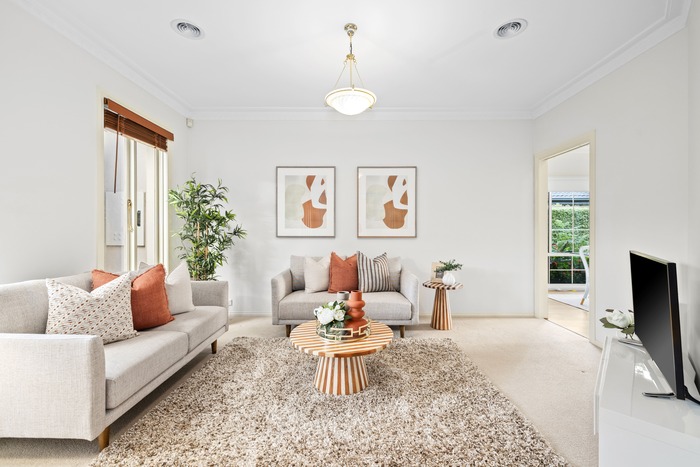
Common lens choices include:
- 16mm to 24mm for wide interior coverage
- 24mm to 35mm for more natural compositions
- Standard lenses for tighter framing and detail shots
Wide angle lenses are necessary for capturing entire rooms. However, excessive width can distort furniture and exaggerate space. This can make staging look unrealistic.
A moderate wide angle often produces the best balance between coverage and accuracy. In addition, using a standard lens for certain compositions can preserve natural proportions, especially in well-staged spaces.
Understanding how lens choice affects staging allows photographers to present interiors more accurately.
>> Read more: Best Lenses for Property Photography
Lighting Techniques for Staged Interiors
Lighting control is a key factor in producing high-quality staged photography. Even well-staged spaces can appear dull or uneven if lighting is not managed properly.
Important lighting techniques include:
- Balancing natural window light with interior lighting
- Avoiding mixed color temperatures
- Using flash to fill shadows when necessary
- Controlling brightness differences between rooms
Natural light is often preferred because it creates a soft and realistic look. However, relying solely on ambient light can lead to inconsistent exposure.
In some cases, adding controlled flash helps maintain even lighting across the scene. The goal is to create a balanced image where all elements of the staging remain visible.
Consistent lighting enhances depth, texture, and overall image quality.
Composition Techniques That Enhance Staging
Composition plays a central role in staged photography. It determines how viewers interpret space and interact with visual elements.
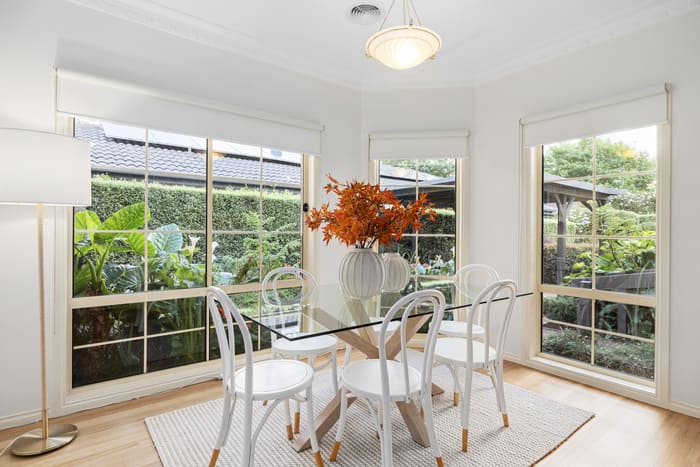
Effective composition techniques include:
- Using furniture to create leading lines
- Layering foreground, midground, and background
- Applying symmetry for structured spaces
- Using asymmetry for a more natural look
- Framing scenes through doorways or architectural features
Good composition highlights the intention behind staging. For example, a dining table arrangement can guide the viewer’s eye toward the center of the image.
At the same time, photographers should avoid cluttered compositions. Even well-staged rooms can appear chaotic if too many elements compete for attention.
Clear and structured composition ensures that staged photography communicates space effectively.
>> Read more: Mastering Composition in Real Estate Photography
Shooting Strategy for Better Editing Flexibility
Professional staged photography is not only about capturing a single image. It involves shooting with post-processing in mind.
Effective strategies include:
- Bracketing exposures for HDR blending
- Capturing multiple angles of the same room
- Taking separate shots for window views
- Maintaining consistent framing across exposures
These techniques provide flexibility during editing. For example, bracketing allows photographers to combine exposures and achieve balanced lighting.
Shooting with editing in mind ensures that the final images maintain both realism and visual clarity.
Common Mistakes in Staged Photography
Even experienced photographers can make mistakes that reduce the effectiveness of staged photography.
Common issues include:
- Using ultra-wide lenses that distort furniture
- Crooked vertical lines that affect professionalism
- Uneven lighting across the scene
- Ignoring small distractions such as misplaced objects
- Flat compositions that lack depth
Avoiding these mistakes requires attention to detail and consistent technical control. Small improvements in technique can significantly enhance overall image quality.
Post-Processing and the Role of Editing in Staged Photography
Editing is an essential part of staged photography. Even well-executed images benefit from professional refinement.
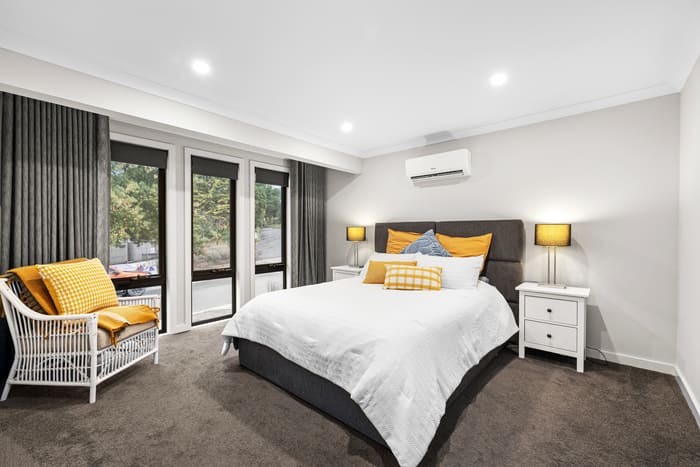
Key editing processes include:
- Exposure blending for balanced lighting
- Color correction for consistency
- Perspective correction for straight lines
- Detail enhancement for textures and materials
The goal of editing is not to alter the property, but to present it accurately and clearly. Professional real estate photo editing ensures that all elements of the staged scene are visible and well-balanced.
Consistent editing also helps maintain a professional standard across multiple listings.
Elevating Staged Photography with a Professional Workflow
Producing high-quality staged photography requires a combination of technical skill, preparation, and efficient workflow. From camera positioning to lighting control and post-processing, each step contributes to the final result.
As photographers handle more projects, maintaining consistency becomes increasingly important. A structured workflow that includes professional editing support allows photographers to deliver reliable results while managing time effectively.
Working with experienced editors ensures that each image meets industry standards without slowing down production. This approach allows photographers to focus on shooting while maintaining high-quality output across every listing.
Strong staged photography depends on both precise shooting techniques and consistent post-processing. Even well-captured images benefit from professional editing to balance lighting, correct perspective, and refine details.
Imagtor specializes in real estate photo enhancement, helping photographers turn staged images into clean, market-ready visuals. With reliable workflows and consistent quality, you can focus on capturing properties while expert editors handle the finishing process.
Start today with a FREE TRIAL and 10% DISCOUNT and elevate your staged photography results.
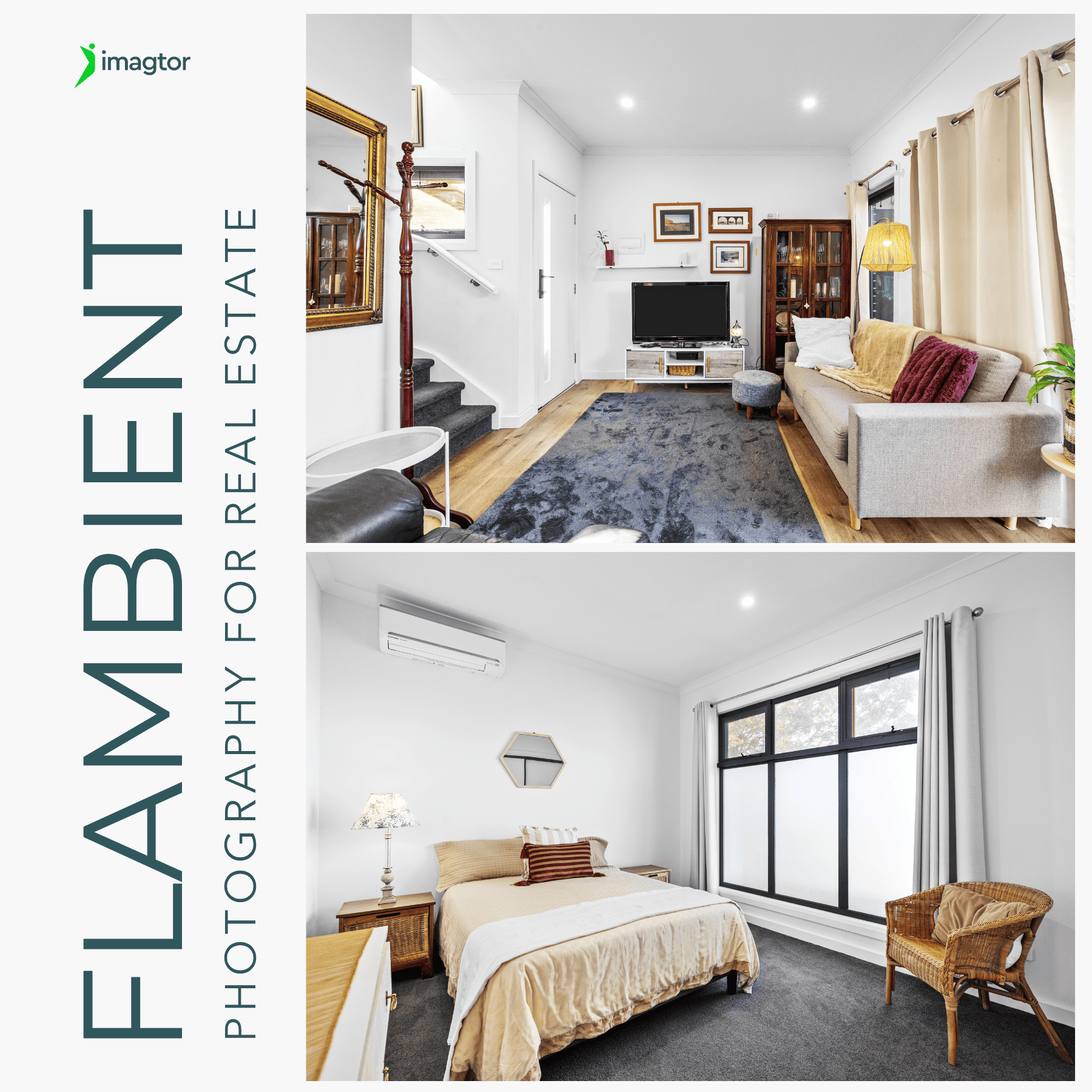
Flambient photography has become the go-to lighting technique for serious real estate photographers in 2026. It combines the natural light range of HDR with the color accuracy of flash, producing interior images that look clean, warm, and genuinely believable without the over-processed look that heavy HDR editing creates. This guide covers what flambient photography actually …
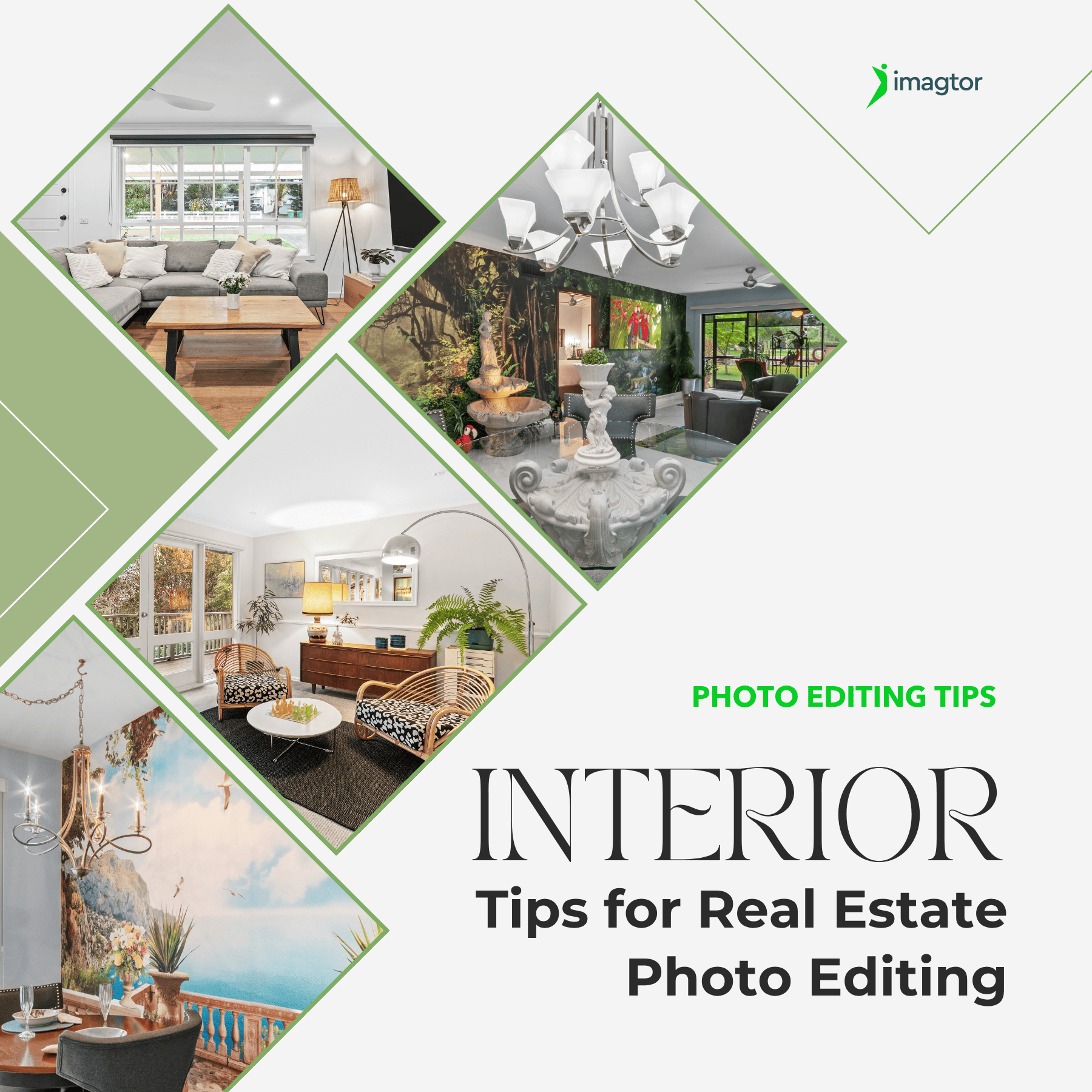
Interior real estate photo editing is where most of the work happens after a shoot. Getting exposure, color, and detail right across a full gallery is what separates listings that actually get clicks from ones that get skipped past. This guide covers the core techniques professionals use, in the order they actually matter, so every …