

The average home size in the U.S. has been shifting noticeably over the past few decades. While homes grew larger through the early 2000s, recent years have brought a new trend: smaller, more efficient spaces that reflect changing buyer priorities, affordability pressures, and evolving lifestyles.
For real estate professionals and photographers, understanding how U.S. home sizes are changing is essential. The dimensions of modern homes directly affect how listings are staged, shot, and marketed.
Current Data on Average Home Size in the U.S.
According to the U.S. Census Bureau, the median size of new single-family homes completed in 2023 was 2,286 square feet, a slight decrease from previous years. This trend continued in early 2024, when the average new home size stood around 2,404 square feet.
These figures represent a significant shift compared to earlier decades:
- 1970s: Average new home size around 1,500–1,700 sq ft.
- 1990s: Homes expanded to around 2,000 sq ft on average.
- 2010s: Peaked at 2,500 sq ft before leveling off.
- 2020s: Sizes fluctuated between 2,200 – 2,400 sq ft as affordability concerns grew.
In short, while the average home size in the U.S. remains much larger than in the 20th century, the trend has begun to reverse slightly – reflecting new consumer realities.
Regional Differences Across the U.S.
Home sizes vary widely by region. Geography, land availability, and construction costs all play major roles in shaping how big homes tend to be.
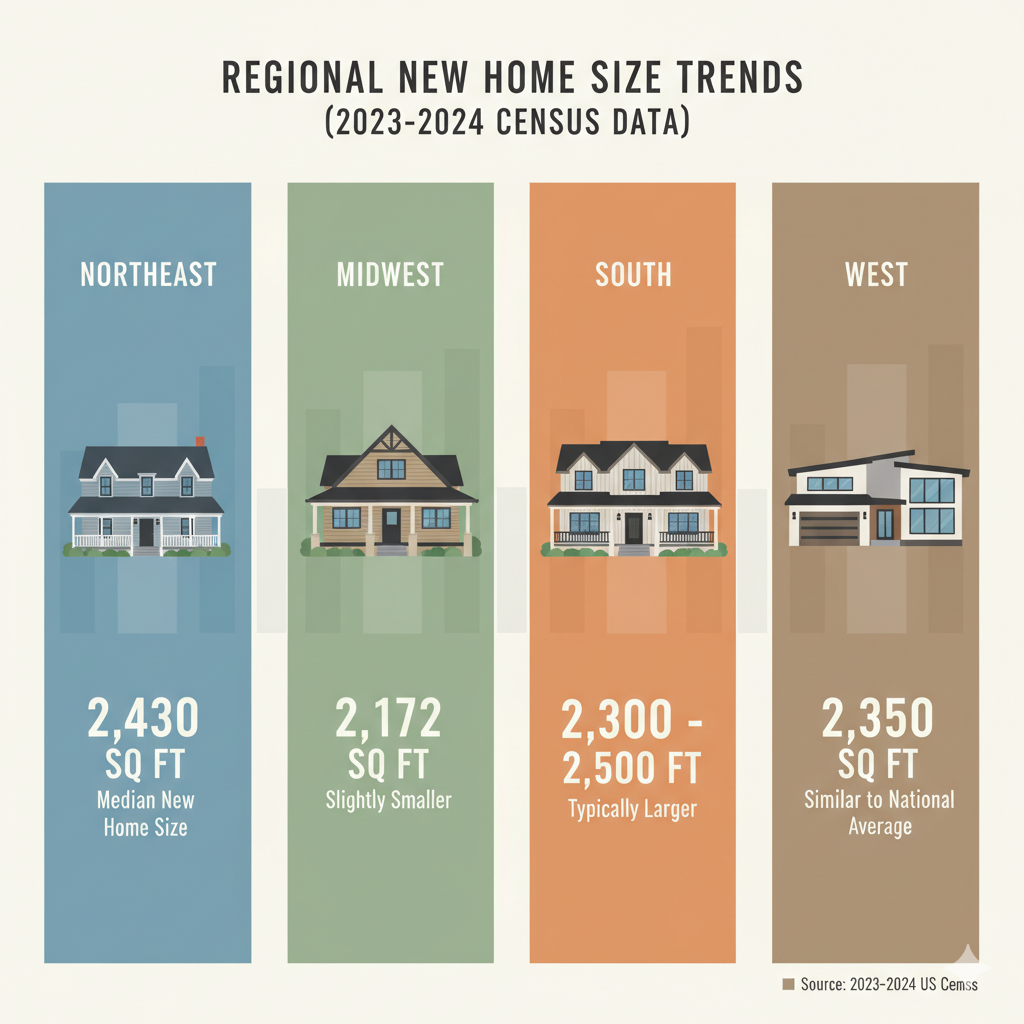
Here’s a quick snapshot of regional home size trends (based on 2023 – 2024 Census data):
- Northeast: Median new home size, around 2,430 sq ft
- Midwest: Slightly smaller at 2,172 sq ft
- South: Typically larger, averaging 2,300 – 2,500 sq ft
- West: Similar to the national average, around 2,350 sq ft
In dense metropolitan areas such as New York, Boston, or San Francisco, homes tend to be smaller due to limited land and higher construction costs. In contrast, Southern and Midwestern states often feature larger suburban homes with more affordable land.
For real estate agents and photographers, this means visual strategy should be tailored to local conditions. A Texas home with 2,800 square feet offers a completely different photographic challenge compared to a compact 1,200-square-foot apartment in Los Angeles.
Why Average Home Size in the U.S. Is Changing
Several key factors are driving the shift in U.S. home size trends. While preferences once leaned toward expansive suburban layouts, modern homeowners increasingly value practicality, energy efficiency, and location.
1. Rising Construction and Land Costs
According to recent industry data, construction costs now make up over 65% of single-family home prices – the highest proportion since the 90s. Builders are adapting by designing smaller, more cost-effective homes to appeal to budget-conscious buyers.
2. Affordability Pressures
Mortgage rates and material costs have surged since 2022. As a result, more Americans are choosing smaller homes that balance comfort with affordability. Buyers are also prioritizing quality finishes and smart layouts over raw square footage.
3. Urban Living and Lifestyle Shifts
Younger generations increasingly favor walkable communities with access to urban amenities, even if that means sacrificing space. The growth of townhouses, condos, and accessory dwelling units (ADUs) further reflects this shift toward compact living.
4. Sustainability and Energy Efficiency
Eco-friendly design is shaping modern homebuilding. Smaller homes are easier to heat, cool, and maintain – aligning with growing environmental awareness and the desire for lower utility bills.
Historical Perspective: From Expansion to Efficiency
It’s helpful to step back and see how dramatically the average home size in the U.S. has changed over time:
| Decade | Average Size (sq ft) | Notable Trends |
|---|---|---|
| 1950s | ~1,000 | Compact post-war homes, single bathrooms |
| 1970s | ~1,600 | Split-level layouts, suburban boom |
| 1990s | ~2,000 | Open floor plans, master suites emerge |
| 2010s | ~2,500 | Luxury spaces, home offices, multi-car garages |
| 2020s | ~2,300 | Downsizing, affordability challenges, flexible rooms |
This pattern shows how consumer preferences evolve alongside economic realities. While homeowners once equated size with status, today’s buyers prioritize smart design and livability.
How Changing Home Sizes Affect Real Estate Photography
For real estate photographers, understanding the average home size in the U.S. is more than just trivia. It directly impacts visual storytelling.
1. Composition and Framing
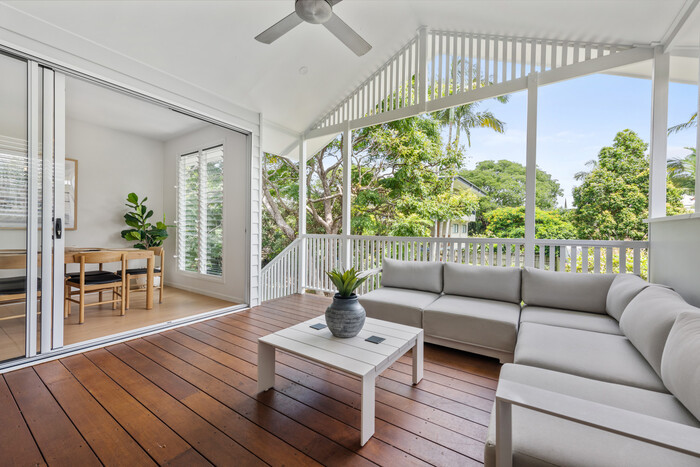
Smaller homes require creative composition. Photographers must use wider lenses and thoughtful angles to convey spaciousness without distortion.
2. Lighting Strategy
Natural light plays a bigger role in compact homes. Emphasizing bright, airy scenes helps small rooms feel more open. Real estate photographers often rely on HDR techniques or balanced artificial light setups to achieve realistic depth.
3. Virtual Staging and 3D Rendering
With tighter layouts, virtual staging and 3D rendering services (like those offered by Imagtor) become even more valuable. They help potential buyers visualize functionality in limited spaces, from multi-use furniture to open-concept flow.
4. Marketing Focus
Listings of smaller properties need strong visual differentiation. Drone shots, 360° panoramas, and cinematic video tours can elevate even modest homes, making them stand out in competitive markets.
What Smaller Homes Mean for Real Estate Agents
For agents, smaller home sizes bring both challenges and opportunities.
Challenges:
- Less space to showcase during tours or virtual walkthroughs.
- More competition among mid-range listings.
- Difficulties in conveying spaciousness online.
Opportunities:
- Emphasis on design over size appeals to modern buyers.
- Affordable listings can target first-time homeowners.
- High-quality visuals and video tours can drive engagement.
By collaborating closely with editors and visual specialists, agents can turn even compact listings into compelling, marketable properties.
The Role of Visual Editing Services
High-quality photo editing is crucial for showcasing homes at any size. For compact properties, precision editing can enhance proportion and balance without misleading the viewer.
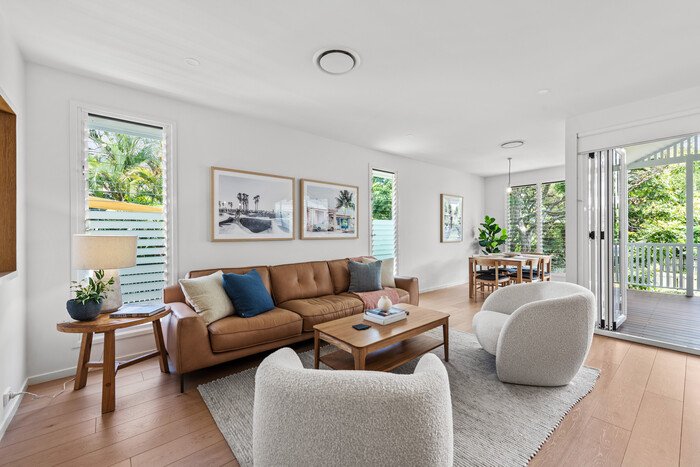
Professional services like Imagtor offer specialized real estate editing solutions including:
- Virtual staging for unfurnished or smaller spaces
- Item removal to declutter tight rooms
- Color correction and HDR blending to emphasize depth
- 360° panorama stitching for immersive experiences
- Video editing for a whole experience
These services help real estate professionals adapt to evolving trends in average home size in the U.S., ensuring every listing looks its best – regardless of square footage.
Future Outlook: Will U.S. Homes Keep Shrinking?
Experts believe the average home size in the U.S. may continue to decrease slightly over the next few years as economic conditions and environmental goals converge. However, smart design innovations, from modular layouts to convertible furniture – will allow smaller homes to remain functional and desirable.
The shift doesn’t necessarily signal a decline in quality. Instead, it represents a cultural move toward sustainability, flexibility, and practicality – values that resonate with today’s buyers.
Conclusion
The average home size in the U.S. tells a story about more than just architecture. It reflects economic realities, lifestyle shifts, and cultural priorities. As homes become smaller and smarter, real estate professionals must adapt – from how they capture photos to how they craft visual narratives.
For photographers and agents alike, this evolution underscores one truth: it’s not about the size of the property, but the power of presentation.
Partner with Imagtor to transform your real estate visuals into stunning, market-ready content. From professional photo editing and virtual staging to AI-powered video and 3D rendering, our expert team ensures every property stands out – no matter its size. Start your FREE TRIAL + 10% BULK DISCOUNT today and experience how quality editing can elevate your listings.

Slow photography workflow does not always come from editing. Time gets lost before the shoot, during file organization, and at delivery too. Fixing each of those stages is what actually moves the needle. Where your photography workflow is losing time Before fixing your photography workflow, find out where the time is actually going. Most photographers …

New Zillow data shows that character-rich homes are pulling significantly more buyer attention online. Listings with exposed beams see a 20% daily boost in engagement on Zillow. For real estate photographers, that is worth paying attention to. If these details drive more clicks and saves, they need to show up properly in the listing photos. …